56 materials, each sized from a pilot trial. Typical feeds lose 5–85% of their weight as water.
Chemical plants dry inorganic salts, organic acids, intermediates, catalysts, resins and the sludges their effluent plants produce. The product may be a free-flowing crystal, a sticky filter cake, a solvent-wet batch or a melt that must be flaked. Getting moisture, particle size and purity right governs saleability and downstream handling. GEM selects paddle, flash, fluid bed, rotary vacuum or flaker equipment to suit each chemistry.
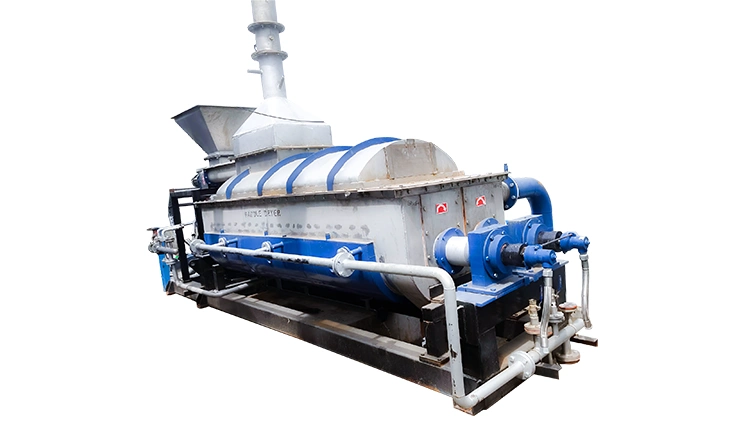
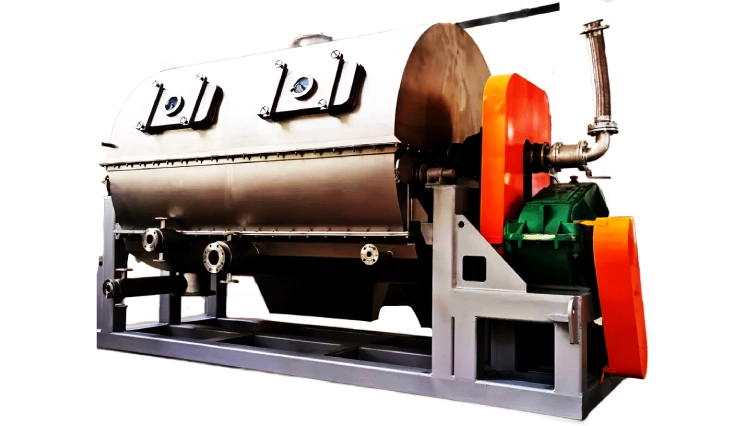
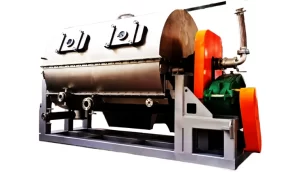
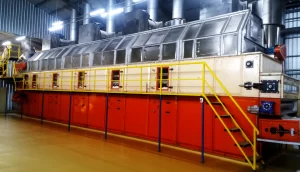
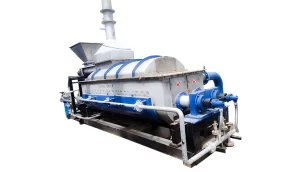
For chemicals & specialty chemicals, GEM dries 56 materials across 11 application areas. The dryers specified most often are the Paddle Dryer, Vibratory Fluid Bed Dryer and Drum Flaker, chosen per material after a pilot trial.
The list below spans inorganic salts, organic acids and intermediates, catalysts, waxes and the effluent residues of chemical manufacturing.
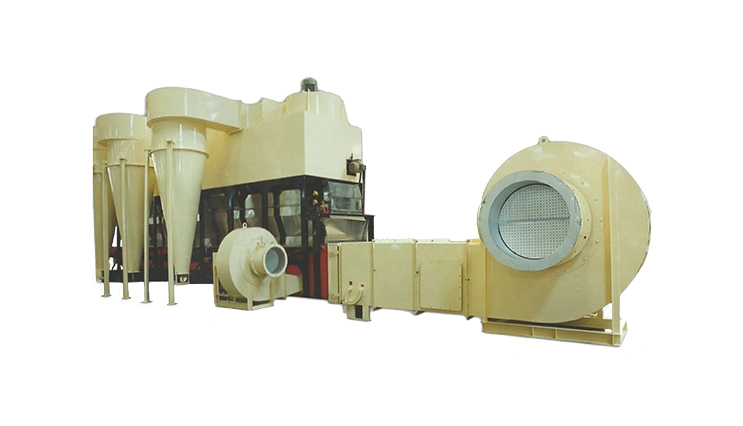
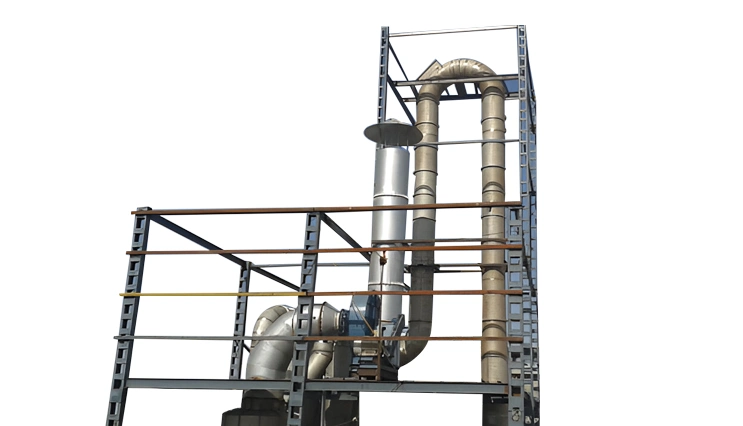
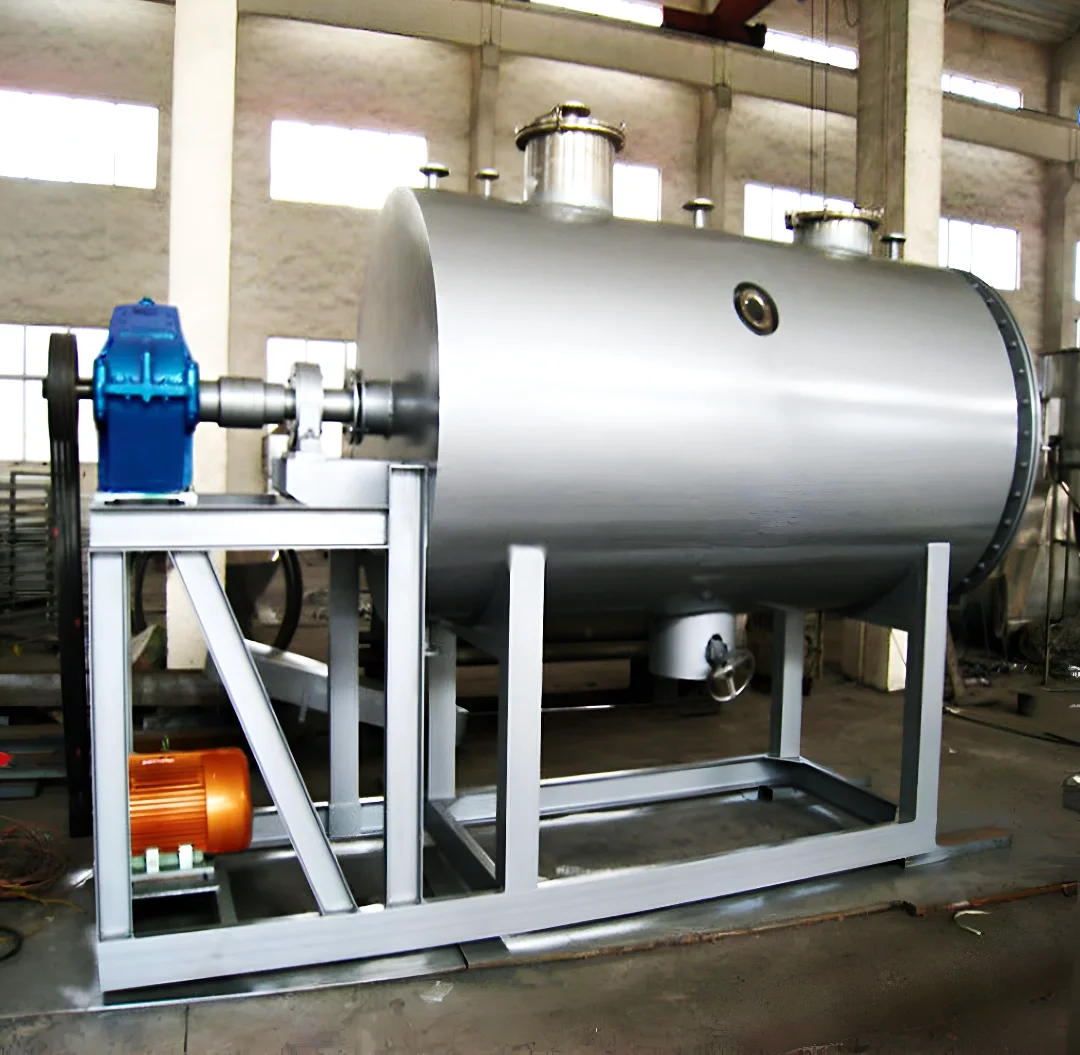
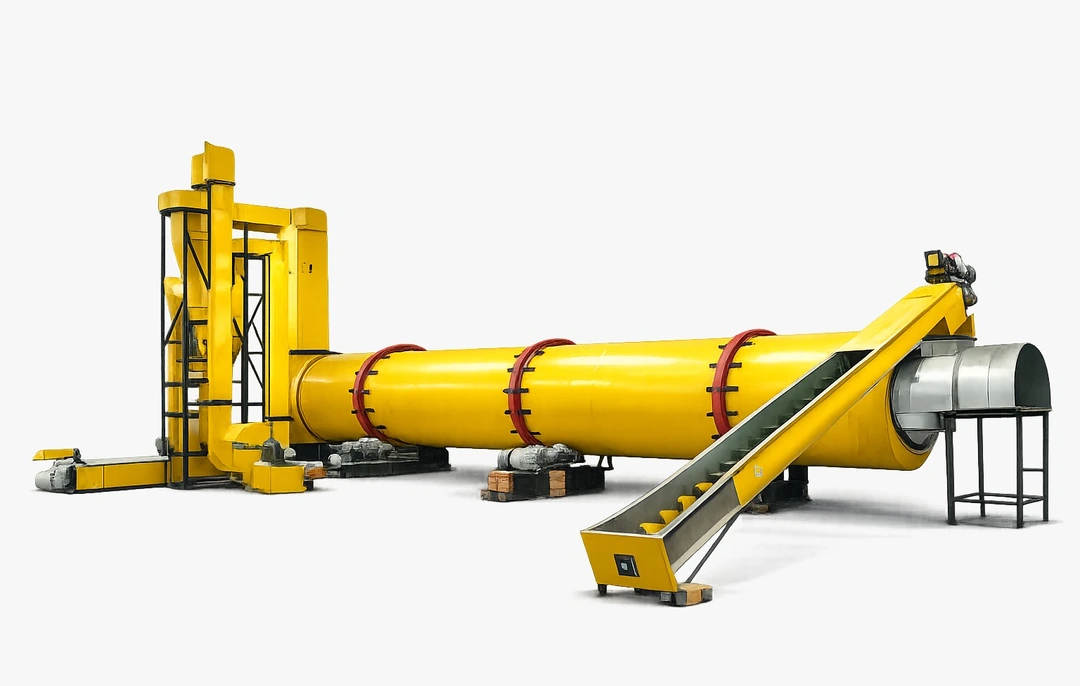
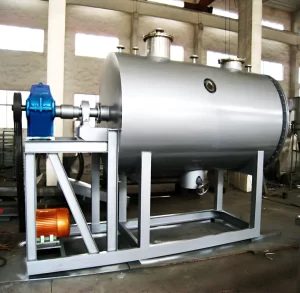
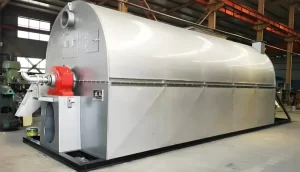
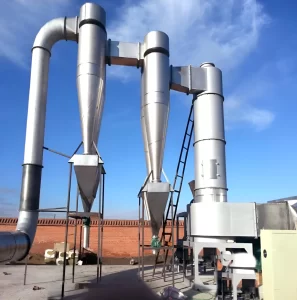
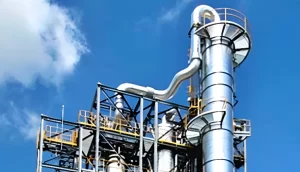
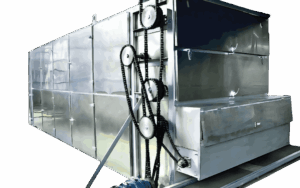
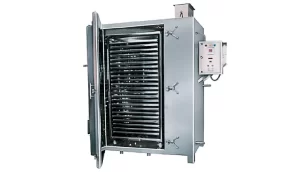
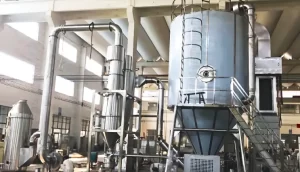
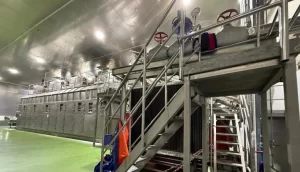
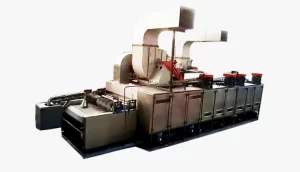
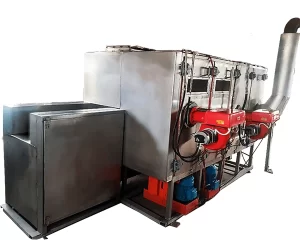
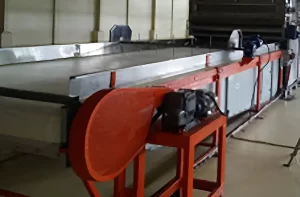
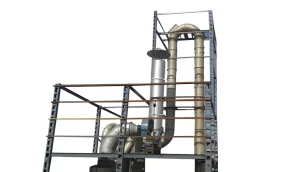
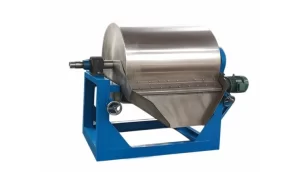
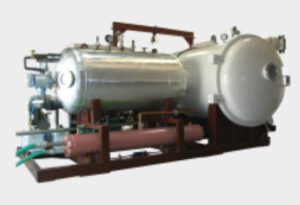
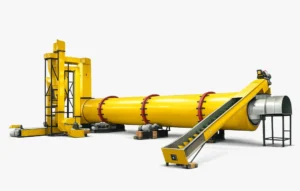
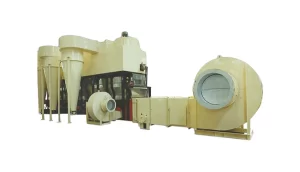
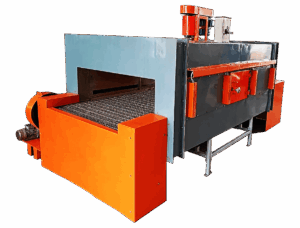
Each material page names the recommended dryer and the alternatives. The machines below are the ones specified most often across the 56 materials for this industry.
Paddle, flash, vibratory and combination fluid bed, rotary vacuum, thin film and flaker designs are all in our range, so the recommendation follows your product rather than one preferred dryer.
Solvent-wet, toxic or odorous chemicals can be dried in sealed indirect dryers with condensers, keeping vapours contained and allowing solvent recovery.
Crystal habit, stickiness and heat sensitivity are hard to predict on paper. Pilot trials at our Dried & Tested facility confirm residence time, temperature limits and final moisture.
We trial your material in our pilot facility before any equipment decision, then size the dryer from real data.
Describe it in the form, or Message an Engineer directly →