2.5–5% → 0.05–0.2% moisture. About 5% of the feed weight leaves as water, so the product meets spec and handles freely.
Common salt drying takes centrifuged vacuum salt or washed solar and sea salt down to the very low moisture needed for free-flowing table and industrial salt. Salt is abrasive, corrosive and quick to cake, and refined salt lines usually add iodine or anti-caking agents around the drying step.
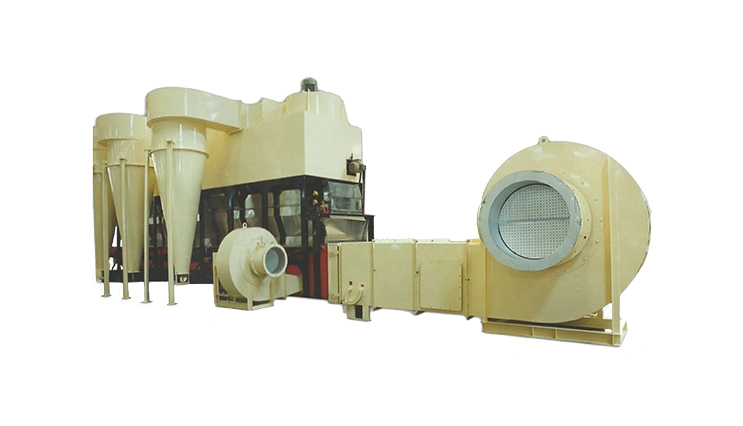
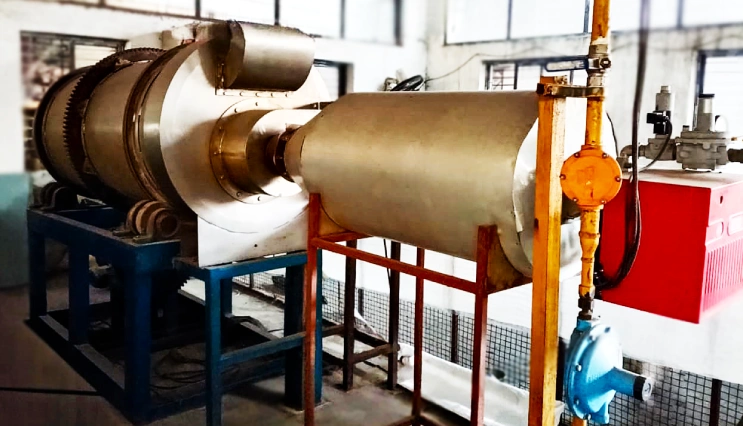
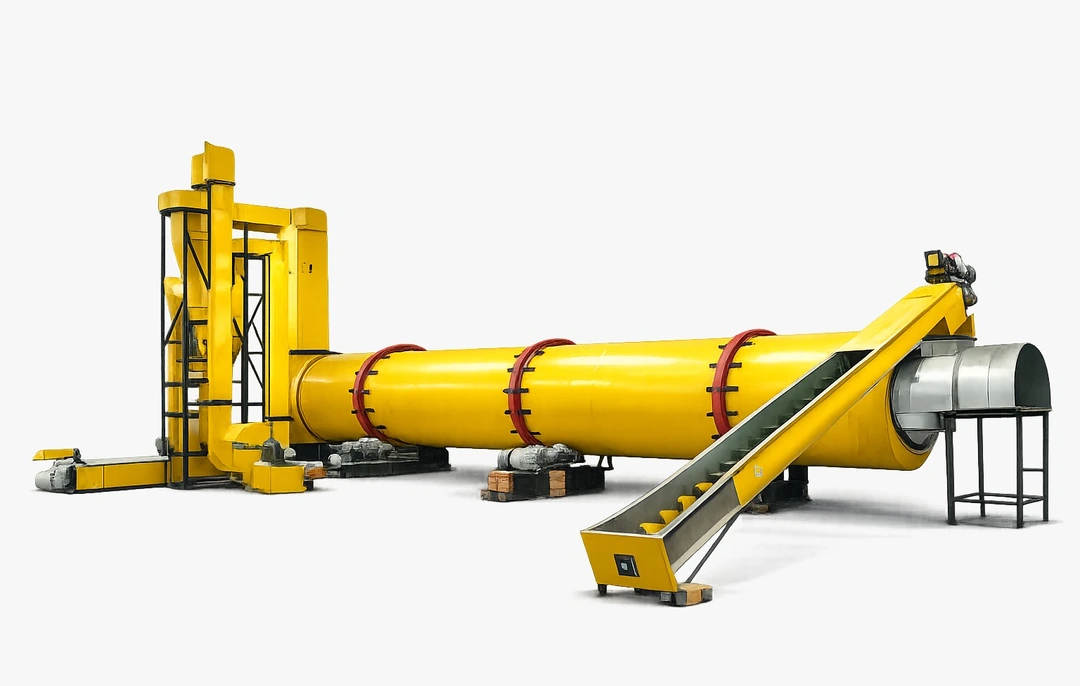
To dry common salt, GEM recommends the Vibratory Fluid Bed Dryer. Typical moisture is 2.5–5% in the feed and 0.05–0.2% after drying. Rotary Louvre Dryer and Rotary Dryer are used when the feed or site calls for it. Every project starts with a pilot trial on your own sample.
A vibratory fluid bed gives uniform drying and an integral cooling zone for refined and iodised salt, with fines returned from the cyclone. Louvre and direct rotary dryers suit coarse washed sea salt and high-throughput industrial grades that tolerate more tumbling.
| Typical feed moisture | 2.5–5% |
| Typical target moisture | 0.05–0.2% |
| Recommended dryer | Vibratory Fluid Bed Dryer |
| Alternatives | Rotary Louvre Dryer, Rotary Dryer |
| Application area | Chemicals & Salts |
| Industries | Chemicals & Specialty Chemicals, Food & Beverage |
Dried and cooled salt packs without caking, meets refined salt moisture norms and travels lighter. For washed sea salt, a dryer turns low-value raw salt into a refined product sold at a clearly higher price per tonne.
Plants searching for a salt dryer or comparing a common salt drying plant usually need three answers: which dryer fits, what it costs to run, and how fast it pays back. For Common Salt, we start from your throughput, current moisture (typically 2.5–5%) and the target (0.05–0.2%), trial a sample on the Vibratory Fluid Bed Dryer, and return a sized recommendation with a budget quotation for your chemicals and food operation.
We trial your material in our pilot facility before any equipment decision, then size the dryer from real data.
Describe it in the form, or Message an Engineer directly →