


Food Dehydration
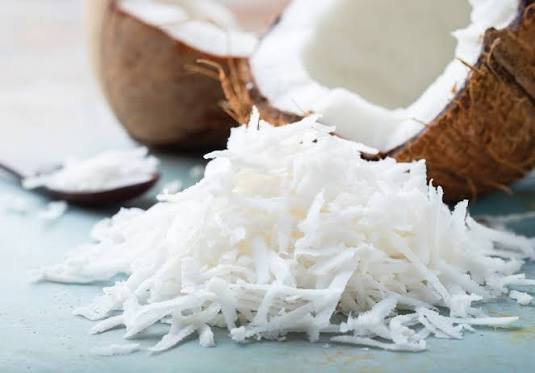
Food dehydration takes fresh vegetables, fruit, spices, roots, mushrooms and coconut and removes most of their water to create shelf-stable ingredients. Feeds such as onion, radish and leafy greens arrive at 80–95% moisture and must reach 3–10% while keeping colour, aroma, pungency and rehydration. Dehydrated products cost far less to store and ship, and supply soups, seasonings, snacks, bakery and food service year-round.
GEM dries 19 materials in Food Dehydration, most often on the Band Dryer (Beltotherm) and Multi-Pass Conveyor Dryer. They are grouped into 3 sub-groups below, each with a moisture comparison table.
Food Dehydration by group
Dryer selection for food dehydration
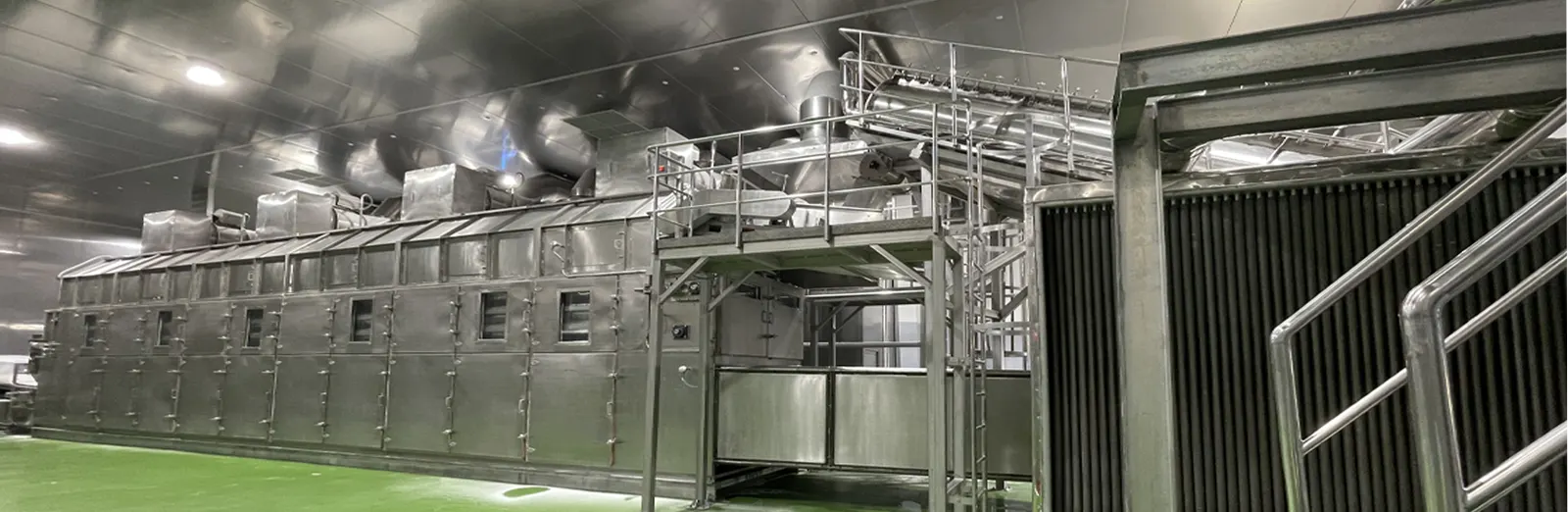
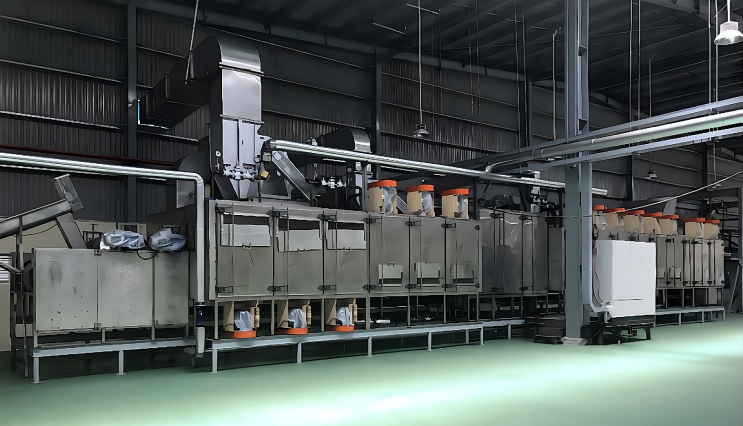
Most food dehydration runs on conveyor belt dryers with zoned temperature and airflow. Band dryers suit desiccated coconut, coconut chips, spices, ginger, turmeric, mushrooms and fruit, where uniform bed depth and gentle final zones protect quality. Multi-pass conveyor dryers give long residence in a compact footprint for onion, garlic, chilli, radish and mixed vegetables. Single-pass conveyor dryers handle delicate leafy vegetables and fruit slices. Mesh belt dryers suit copra and cassava chips, and freeze dryers serve premium lines.
| Feed moisture | 45–60% for coconut and copra; 60–95% for vegetables, fruit, roots and mushrooms |
| Target moisture | 2–8% for coconut, flakes and powders; 8–14% for spices, roots and chips |
| Drying temperature approach | Zoned: warmer air at the wet inlet, stepped down toward the outlet to protect colour and aroma |
| Heat sources | Steam radiators, thermal oil, hot water, or indirect gas- or biomass-fired air heaters |


What makes these materials hard to dry
- Colour, aroma, pungency and volatile oils are lost quickly when air temperature and residence time are not controlled zone by zone.
- Case hardening forms a dry skin that traps moisture inside, causing later mould or poor rehydration in the customer's process.
- Food safety requires hygienic stainless construction, cleanable belts and control of microbial load from raw material to pack.
- Onion, coconut and fruit slices brown or turn rancid when sugars or fats are overheated near the end of drying.
Why it pays back
Dehydration turns perishable, seasonal harvests into ingredients that sell twelve months a year. Consistent colour, moisture and microbial quality decide export grades and price, and uniform drying reduces rejected lots, energy per kilogram of product and dependence on weather-bound sun drying.
Food Dehydration: questions buyers ask
Band dryer or multi-pass conveyor dryer for onion and garlic?
How do you protect colour and aroma during dehydration?
Can GEM dry desiccated coconut and coconut chips?
Send us a sample. See it dried.
We trial your material in our pilot facility before any equipment decision, then size the dryer from real data.
- Tell us the material, moisture and throughput.
- An engineer confirms the trial plan and sample shipping.
- You get drying data and a sized recommendation with a budget quotation.
Material not listed? Talk to our technical expert.
Describe it in the form, or message an engineer directly.
