


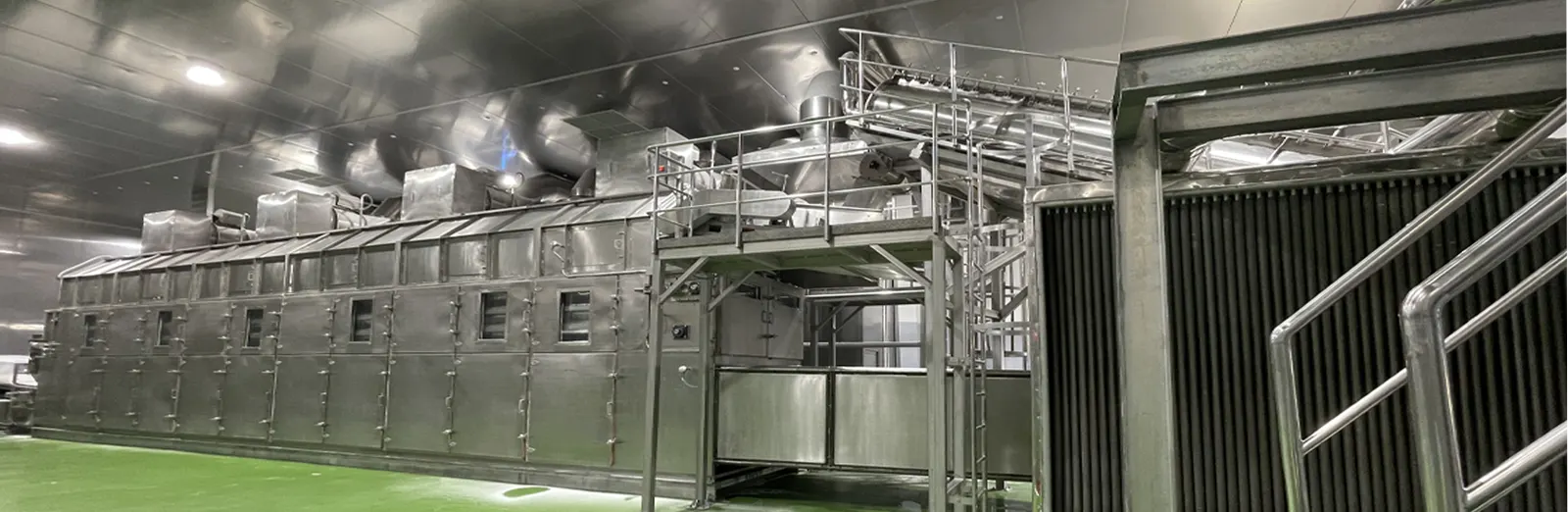
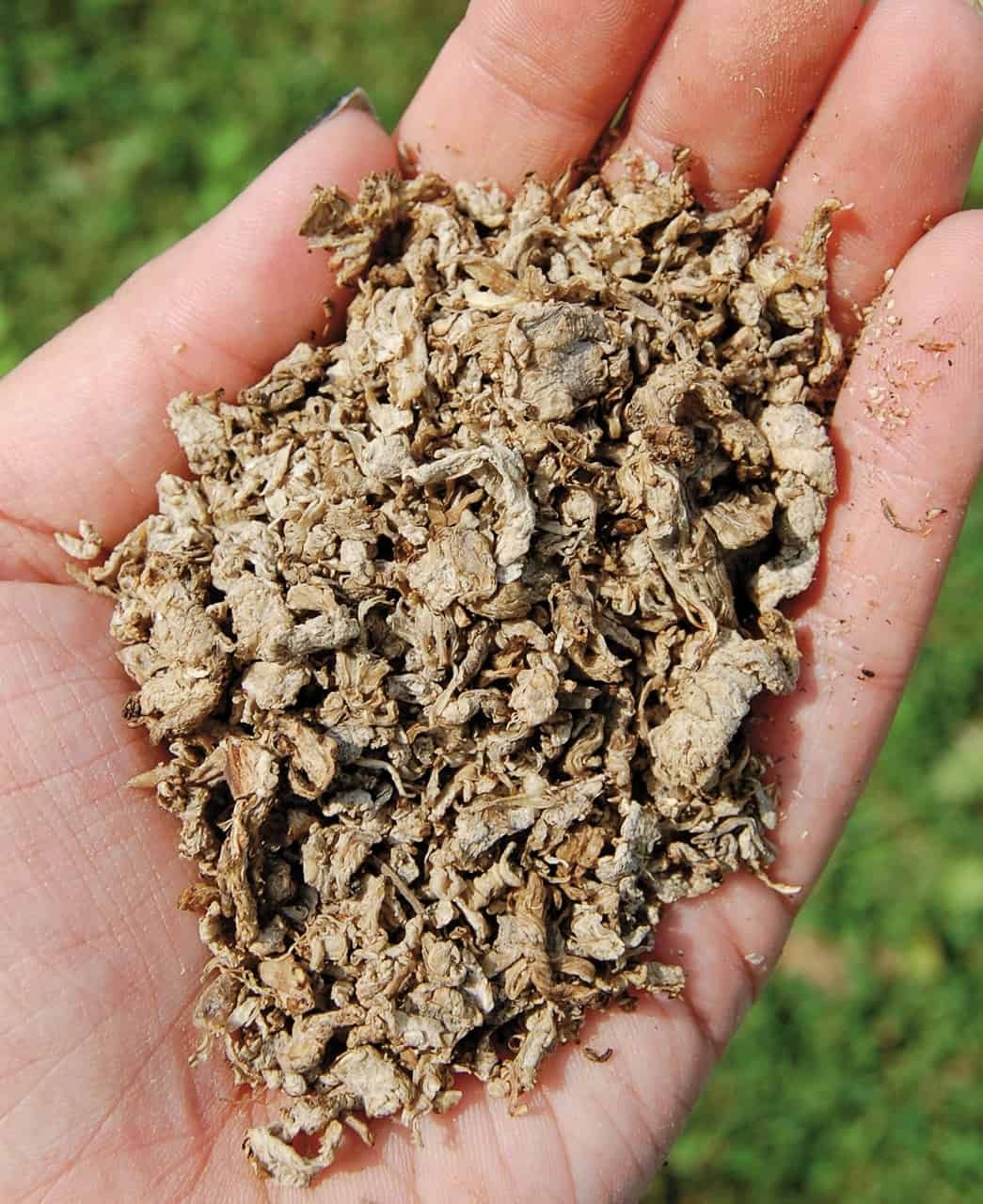
Pomace, Pulp & By-product Drying
Pomace, pulp and process by-products are the wet residues of juice, wine, sugar, brewing, distilling, starch and oilseed processing: fruit pomace, beet and cassava pulp, spent grain, DDGS, okara, bran and meals. Many leave the plant at 55–90% moisture and begin to ferment within days. Drying stops spoilage and converts a disposal cost into feed, fibre, food ingredients or fuel with real market value.
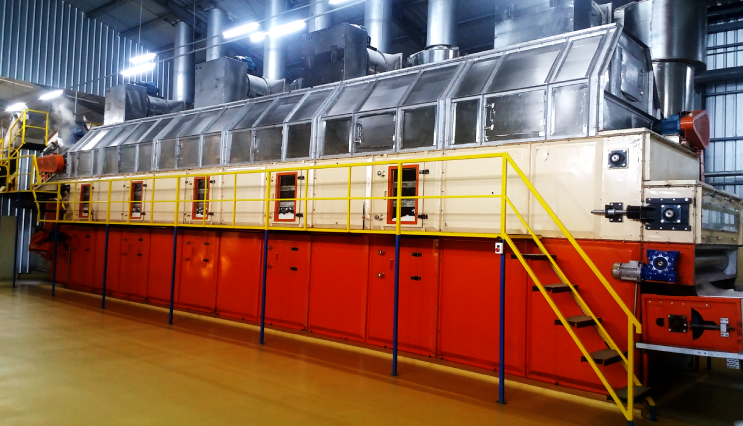
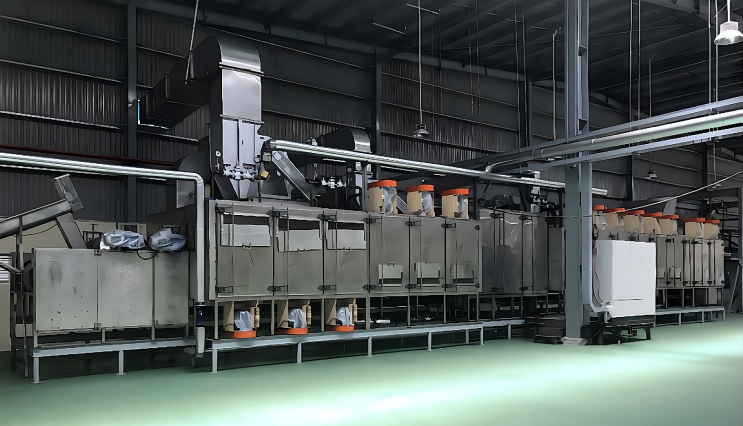
GEM dries 27 materials in Pomace, Pulp and By-products, most often on the Mesh Belt Dryer (Meshotherm) and Band Dryer (Beltotherm). They are grouped into 3 sub-groups below, each with a moisture comparison table.
Pomace, Pulp & By-products by group
Fruit & Vegetable Pomace and Food Waste
Dryer selection for pomace, pulp & by-products
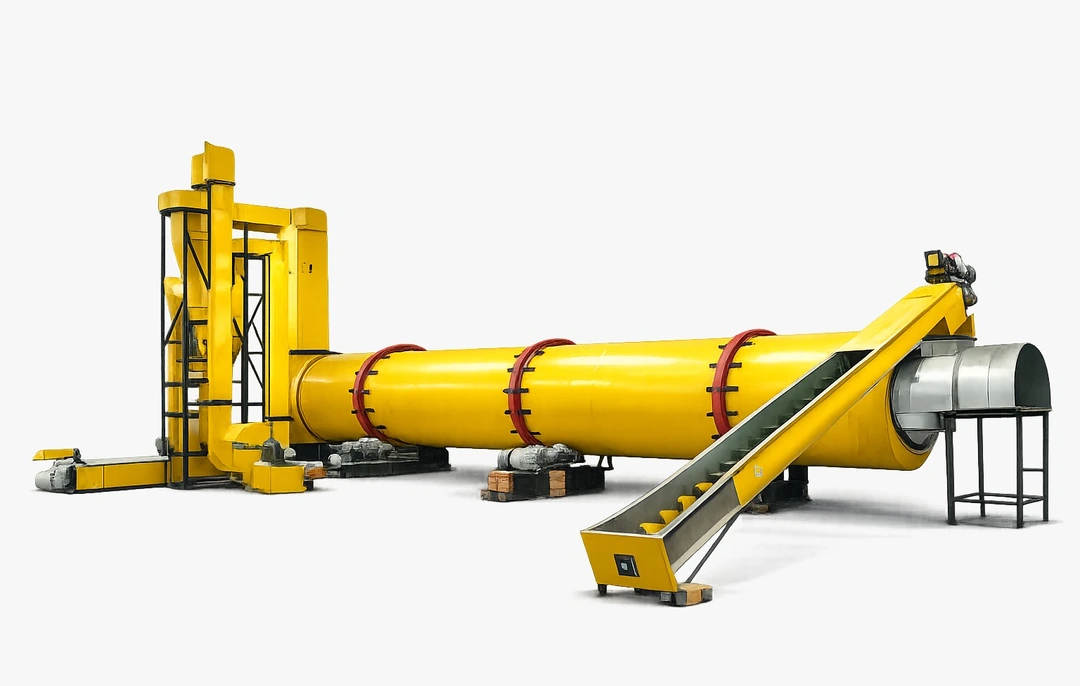
We match the dryer to the by-product's form. Fruit pomaces and spent grain that form an open bed go to band or mesh belt dryers for gentle, even drying; mesh belts also suit beet pulp, chicory pulp and spent tea leaves. Rotary dryers handle high-tonnage citrus, beet and cassava pulp. Pasty or fatty materials such as olive pomace, DDGS, okara, spent coffee and food waste go to indirect rotary tube bundle or paddle dryers. Drum and thin film dryers handle yeast and stillage.
| Feed moisture | 55–92% for pomace, pulp, spent grain and food waste; 10–22% for bran and meals being conditioned |
| Target moisture | 8–12% for feed and fuel; 5–8% for food-grade powders and ingredients |
| Drying approach | Gentle through-air belt drying for open-bed materials; indirect contact drying for pasty, fatty or odorous streams |
| Heat sources | Steam, hot water, thermal oil, gas burners or recovered process heat |


What makes these materials hard to dry
- Sugars and pectin in fruit pomace and pulp turn sticky as they dry, causing agglomeration, lumps and fouling.
- Wet by-products ferment and sour within days, so drying capacity must keep pace with the processing season.
- Protein, fibre, oil and colour are heat sensitive, and overheating cuts the value of feed and food-grade products.
- Feeds range from free-flowing bran to pasty okara and liquid stillage, so no single dryer type suits them all.
Why it pays back
A by-product that must be hauled away wet is a cost; dried, it can be sold as cattle feed, pet food fibre, food ingredient or fuel. Drying also stabilises seasonal output so it can be stored and sold year-round instead of at harvest-glut prices.
Pomace, Pulp & By-products: questions buyers ask
Which dryer suits apple or grape pomace?
Can brewer's spent grain be dried economically?
How do you dry sticky by-products like okara or olive pomace?
Send us a sample. See it dried.
We trial your material in our pilot facility before any equipment decision, then size the dryer from real data.
- Tell us the material, moisture and throughput.
- An engineer confirms the trial plan and sample shipping.
- You get drying data and a sized recommendation with a budget quotation.
Material not listed? Talk to our technical expert.
Describe it in the form, or message an engineer directly.
