Olive pomace drying, especially for the wet alperujo from two-phase mills, prepares the residue for pomace oil extraction, biomass fuel or composting. Alperujo is a dense, oily paste with more water than three-phase pomace, so it behaves differently from fruit pomaces. Mills and extractors dry it to recover residual oil and to stop pond storage.
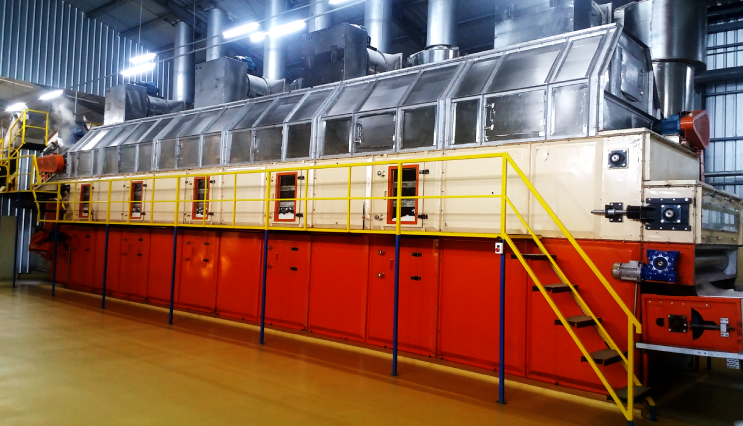
To dry olive pomace (alperujo), GEM recommends the Rotary Tube Bundle Dryer and Paddle Dryer. Typical moisture is 60–70% in the feed and 8–10% after drying. Mesh Belt Dryer is used when the feed or site calls for it. Every project starts with a pilot trial on your own sample.
Because alperujo is oily, indirect steam-tube or paddle dryers keep hot gases away from the product and contain odour. A mesh belt dryer at modest air temperature is considered only for destoned, partly de-oiled pulp intended for fuel or feed.
| Typical feed moisture | 60–70% |
| Typical target moisture | 8–10% |
| Recommended dryer | Rotary Tube Bundle Dryer, Paddle Dryer |
| Alternatives | Mesh Belt Dryer |
| Application area | Pomace, Pulp & By-products |
| Industries | Food & Beverage, Biomass, Bioenergy & Recycling |
Drying converts a stored pond liability into tradeable feedstock for pomace oil extractors and biomass boilers. It also reduces odour complaints, storage risk and the transport weight of seasonal residue.
Plants searching for a olive pomace dryer or comparing a alperujo drying plant usually need three answers: which dryer fits, what it costs to run, and how fast it pays back. For Olive Pomace (Alperujo), we start from your throughput, current moisture (typically 60–70%) and the target (8–10%), trial a sample on the Rotary Tube Bundle Dryer, and return a sized recommendation with a budget quotation for your food and biomass operation.
Compare all 11 materials in Fruit & Vegetable Pomace and Food Waste or browse the wider Pomace, Pulp & By-products family.
We trial your material in our pilot facility before any equipment decision, then size the dryer from real data.
Describe it in the form, or message an engineer directly.