


Chemicals & Salts Drying
Chemicals and salts covers crystalline inorganic salts such as common salt, sodium sulphate and magnesium sulphate, organic acids, fine and specialty chemicals, catalysts, battery materials and chemicals supplied as flakes. Most leave a centrifuge or filter as damp crystals or cake, while others arrive as a melt. Drying or flaking sets free-flow, purity, assay and handling properties, and is often the last step before packing.
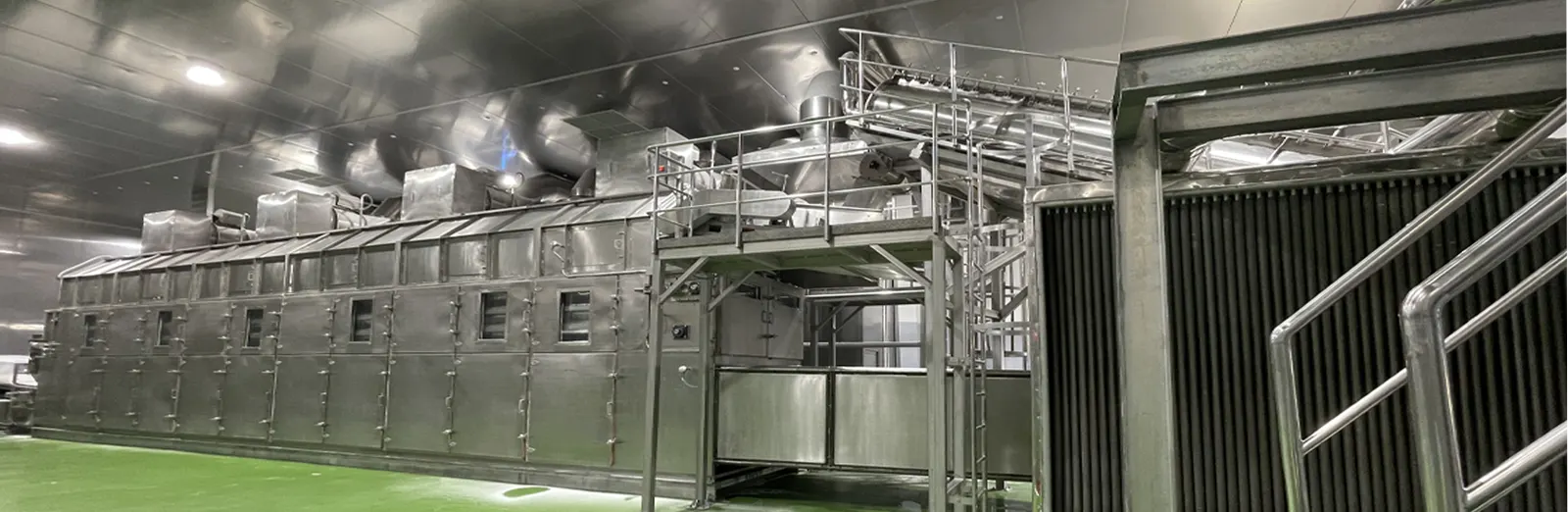
GEM dries 31 materials in Chemicals and Salts, most often on the Flash Dryer, Combination Fluid Bed Dryer and Direct / Indirect Rotary Dryer. The table below compares typical moisture and the recommended dryer for each one.
Chemicals & Salts: moisture and dryer by material
Dryer selection for chemicals & salts
Free-flowing crystals such as salt, sodium sulphate, borax, citric acid and MSG are dried in vibratory or combination fluid bed dryers. Fine wet cakes like sodium bicarbonate, calcium citrate and zeolites suit flash dryers. Drum flakers solidify melts including caustic soda, sodium sulphide, calcium chloride and fatty acids. Rotary vacuum and paddle dryers handle solvent-wet, toxic or high-value chemicals, catalysts and battery materials, while direct/indirect rotary dryers serve carbon black and coarser bulk salts.
| Feed moisture | 2–10% for centrifuged crystals; 40–55% for filter cakes such as carbon black and zeolites; melts for flaked products |
| Target moisture | Typically 0.05–0.5% for salts and acids; up to about 1% for some cakes |
| Drying approach | Fluid bed or flash drying for stable solids; vacuum or indirect contact drying for solvent-wet or sensitive chemicals |
| Heat sources | Steam, thermal oil, electric heaters or gas-fired air heaters |


What makes these materials hard to dry
- Crystals must dry to very low moisture without breaking, because fines cause caking, dust and complaints about appearance.
- Hygroscopic salts reabsorb moisture quickly, so cooling, dry air and sealed handling often follow the dryer.
- Corrosive salts and acids demand suitable stainless steels or special alloys on every wetted and product-contact surface.
- Solvent-wet, toxic or oxygen-sensitive specialty chemicals need closed, inert or vacuum drying rather than open hot air.
Why it pays back
For chemical producers, drying decides whether product ships on specification. Consistent residual moisture prevents caking and assay drift, reduces customer claims and reprocessing, and closed drying with solvent recovery can lower both raw material losses and emissions.
Chemicals & Salts: questions buyers ask
Fluid bed or flash dryer for chemical salts?
What is a drum flaker used for?
Can you dry solvent-wet or toxic chemicals?
Send us a sample. See it dried.
We trial your material in our pilot facility before any equipment decision, then size the dryer from real data.
- Tell us the material, moisture and throughput.
- An engineer confirms the trial plan and sample shipping.
- You get drying data and a sized recommendation with a budget quotation.
Material not listed? Talk to our technical expert.
Describe it in the form, or message an engineer directly.
