2–5% → ≤0.5% moisture. About 5% of the feed weight leaves as water, so the product meets spec and handles freely.
Citric acid drying takes centrifuged anhydrous or monohydrate crystals from fermentation and brings surface moisture down without changing the crystal form. The monohydrate loses its water of crystallisation if overheated, while both grades cake badly in bags unless they are dried and cooled correctly.
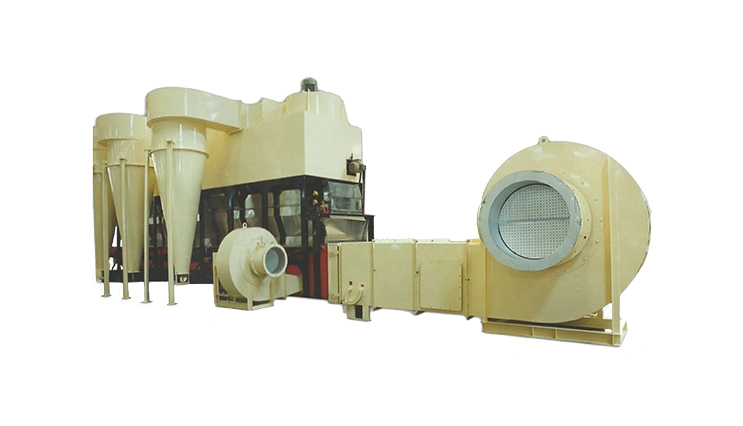
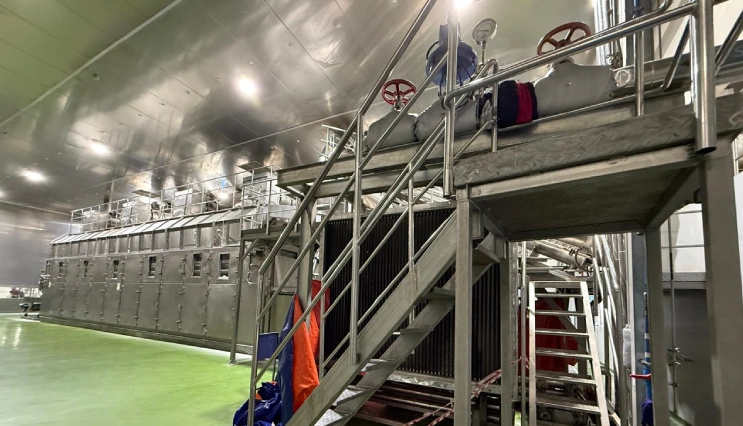
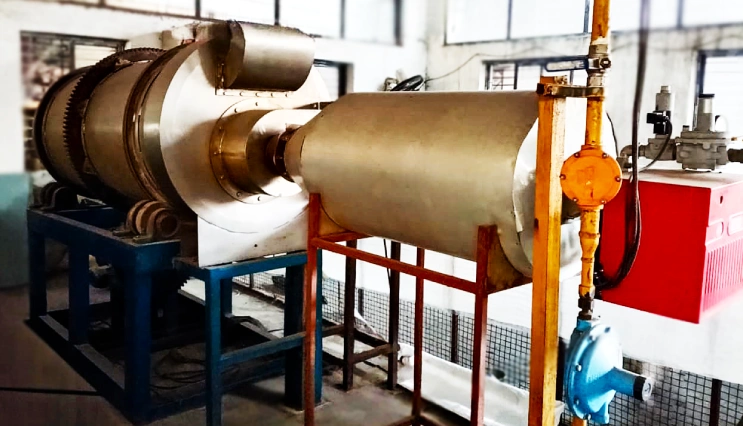
To dry citric acid, GEM recommends the Vibratory Fluid Bed Dryer. Typical moisture is 2–5% in the feed and ≤0.5% after drying. Combination Fluid Bed Dryer and Rotary Louvre Dryer are used when the feed or site calls for it. Every project starts with a pilot trial on your own sample.
A vibratory fluid bed moves crystals gently on a perforated deck, drying with moderate air and then cooling in a second zone before packing. A combination fluid bed suits plants running separate anhydrous and monohydrate grades; a louvre rotary fits very large throughputs.
| Typical feed moisture | 2–5% |
| Typical target moisture | ≤0.5% |
| Recommended dryer | Vibratory Fluid Bed Dryer |
| Alternatives | Combination Fluid Bed Dryer, Rotary Louvre Dryer |
| Application area | Chemicals & Salts |
| Industries | Chemicals & Specialty Chemicals, Food & Beverage |
Correct drying and cooling prevents caked bags, customer claims and re-screening costs, and protects the crystal appearance and grade that set the selling price in food and beverage markets.
Plants searching for a citric acid dryer or comparing a citric acid crystal drying usually need three answers: which dryer fits, what it costs to run, and how fast it pays back. For Citric Acid, we start from your throughput, current moisture (typically 2–5%) and the target (≤0.5%), trial a sample on the Vibratory Fluid Bed Dryer, and return a sized recommendation with a budget quotation for your chemicals and food operation.
We trial your material in our pilot facility before any equipment decision, then size the dryer from real data.
Describe it in the form, or Message an Engineer directly →