


Fertilizers & Agrochemicals Drying
Fertilizers and agrochemicals cover granulated NPK and complex fertilizers, phosphates such as SSP and DAP, ammonium sulphate, phosphogypsum, organic fertilizers, compost, poultry litter pellets and crop protection chemicals. Granules leave the granulator damp and warm and must be dried and cooled to stay hard and free-flowing. For organic fertilizer, drying also stabilises the material, reduces odour and makes it light enough to bag and sell.
GEM dries 9 materials in Fertilizers and Agrochemicals, most often on the Rotary Dryer and Rotary Louvre Dryer. The table below compares typical moisture and the recommended dryer for each one.
Fertilizers & Agrochemicals: moisture and dryer by material
| Material | Feed moisture | Target | Recommended dryer |
|---|---|---|---|
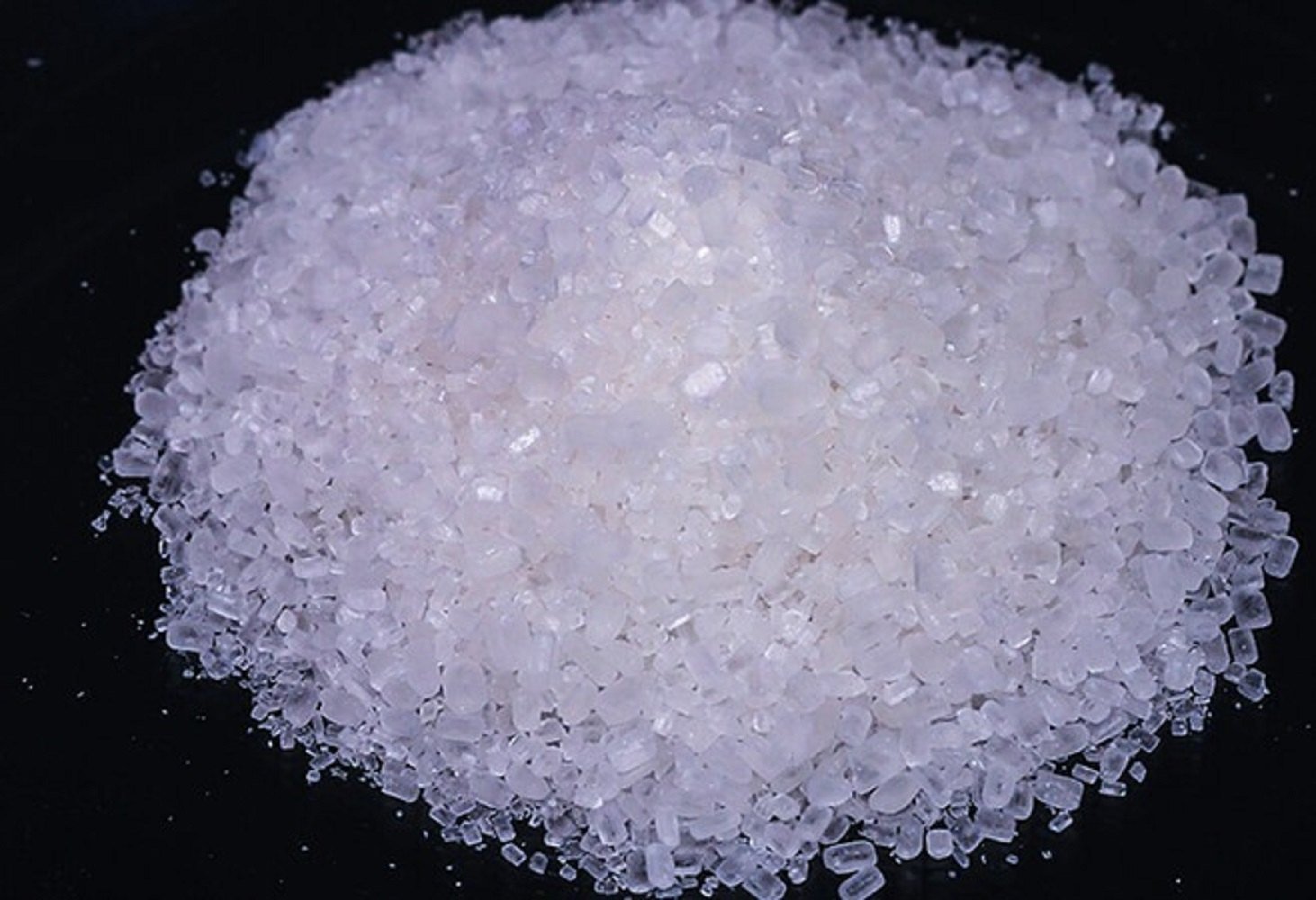
| Ammonium Sulphate | 1–3% | 0.1–0.3% | Vibratory Fluid Bed Dryer / Rotary Dryer |
| NPK Compound Fertilizer | 3–8% | 1–2% | Rotary Dryer |
| Fused Phosphate Fertilizer | Pilot trial | To spec | Rotary Dryer |
| Phosphates (SSP / DAP) | 4–12% | 1–4% | Rotary Dryer |
| Phosphogypsum | 20–30% | To spec | Rotary Dryer |
| Organic Fertilizer | 25–35% | 15–20% | Rotary Dryer |
| Poultry Litter & Manure Pellets | 30–75% | 10–15% | Mesh Belt Dryer / Rotary Dryer |
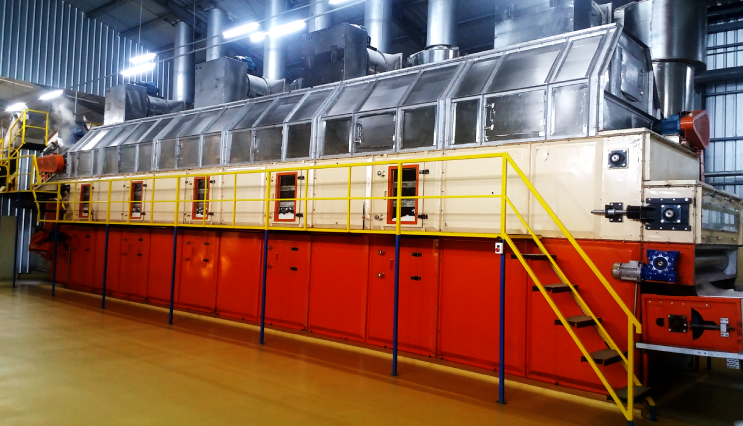
| Compost & Vermicompost | 40–55% | 15–25% | Mesh Belt Dryer |
| Pesticides | Pilot trial | To spec | Paddle Dryer |
Dryer selection for fertilizers & agrochemicals
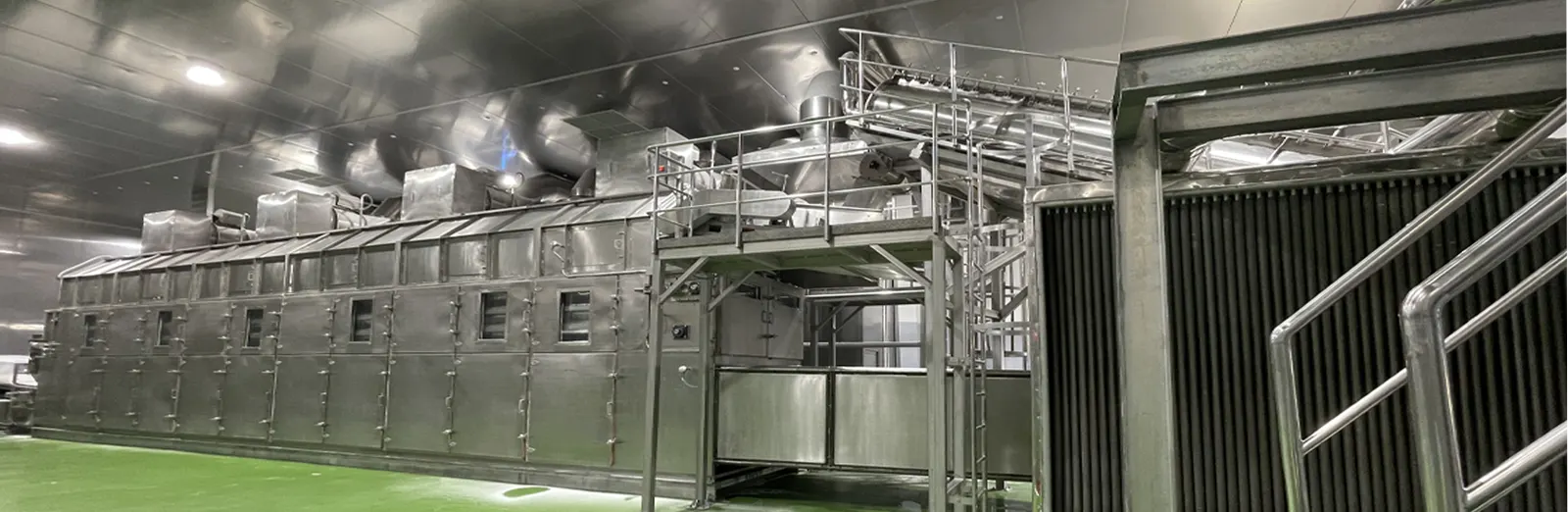
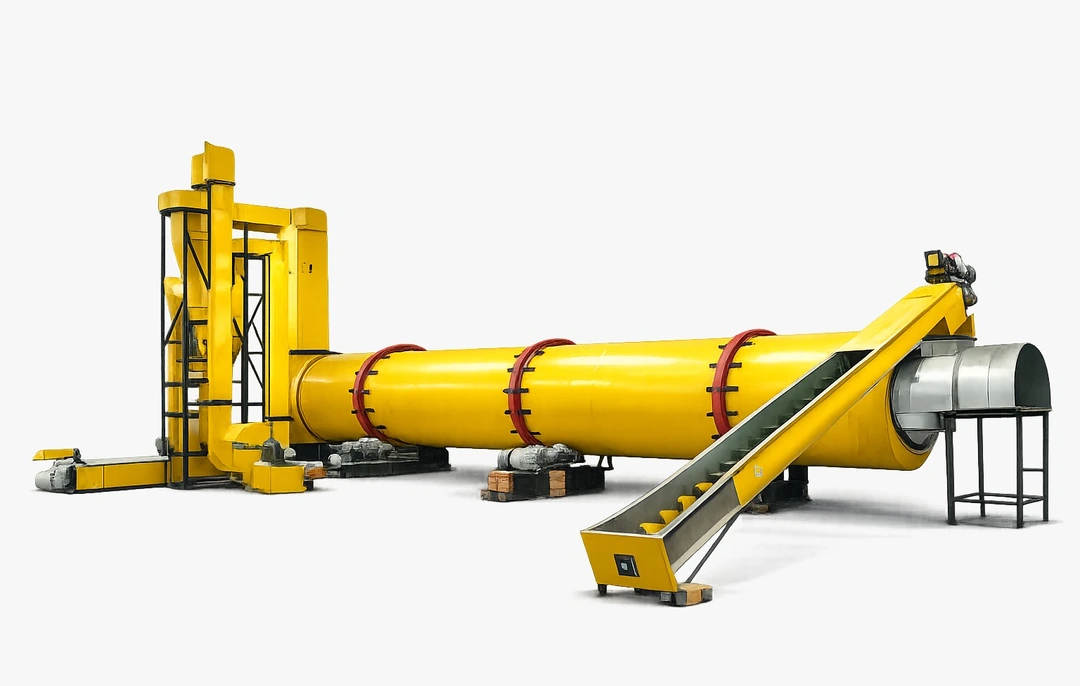
Granulated NPK, complex fertilizers, phosphates and phosphogypsum are dried in rotary dryers, with rotary louvre dryers chosen where gentler through-air drying reduces granule breakage. Ammonium sulphate crystals suit vibratory fluid bed or rotary dryers, followed by coolers. Organic fertilizer is usually rotary dried, while poultry litter, manure pellets and compost are dried on mesh belt or rotary dryers. Crop protection chemicals such as insecticides and pesticides are dried indirectly in paddle or rotary vacuum dryers.
| Feed moisture | 1–12% for granulated mineral fertilizers; 25–75% for organic fertilizer, manure and compost |
| Target moisture | About 0.1–4% for mineral fertilizers; 10–25% for organic products |
| Drying approach | Direct rotary or louvre drying for granules, followed by cooling; indirect drying for crop protection chemicals |
| Heat sources | Gas, oil, coal or biomass furnaces, or steam air heaters |


What makes these materials hard to dry
- Granules must dry without breaking or dusting, so drum speed, flights and air velocity have to suit granule strength.
- Hygroscopic fertilizers cake in storage unless dried and cooled correctly, sometimes needing conditioned air in humid climates.
- Ammonium salts and phosphates release ammonia, fluorides and dust that require scrubbing and corrosion-resistant construction.
- Organic fertilizers and manure vary in moisture, odour and fibre, and can carry pathogens that drying must help control.
Why it pays back
Correctly dried and cooled fertilizer stays hard, free-flowing and on grade through storage and monsoon handling, reducing caking claims and re-screening. For organic producers, drying turns bulky, odorous waste into a light, bagged product that can be sold over a much wider area.
Fertilizers & Agrochemicals: questions buyers ask
Rotary dryer or louvre dryer for fertilizer granules?
Why is a cooler needed after the fertilizer dryer?
Can poultry litter and manure be dried into pellets?
Send us a sample. See it dried.
We trial your material in our pilot facility before any equipment decision, then size the dryer from real data.
- Tell us the material, moisture and throughput.
- An engineer confirms the trial plan and sample shipping.
- You get drying data and a sized recommendation with a budget quotation.
Material not listed? Talk to our technical expert.
Describe it in the form, or message an engineer directly.
