Compost and vermicompost drying prepares matured organic matter for screening, bagging or granulation. Finished compost usually holds 40–55% moisture, too wet to sieve cleanly or bag without mould, so producers dry it to around 15–25% while keeping enough moisture and microbial life for it to remain a living soil amendment.
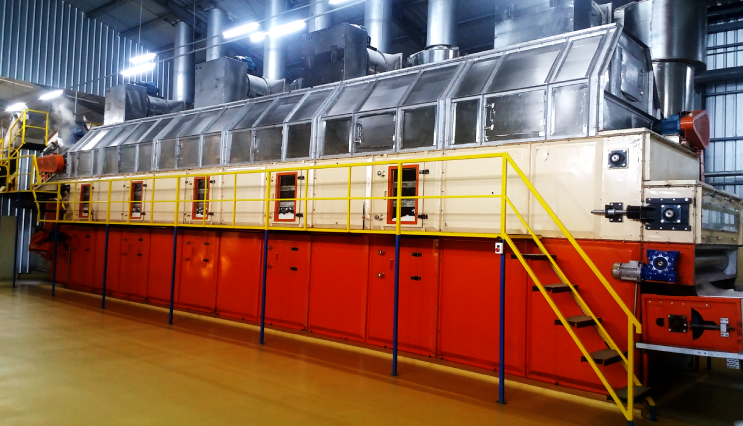
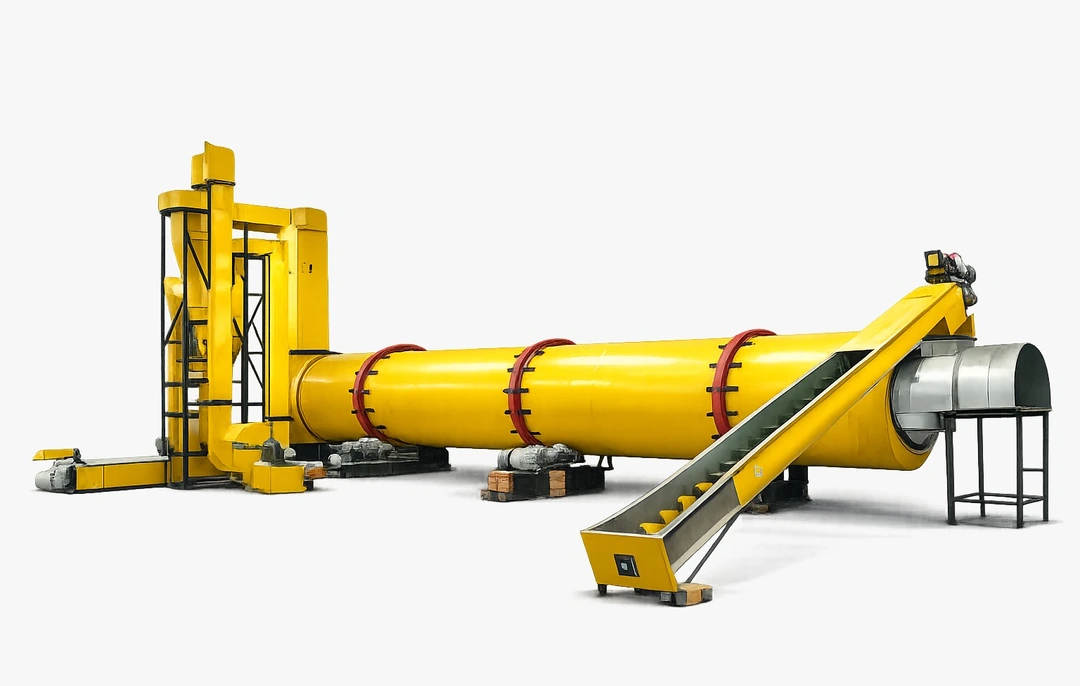
To dry compost & vermicompost, GEM recommends the Mesh Belt Dryer (Meshotherm). Typical moisture is 40–55% in the feed and 15–25% after drying. Rotary Dryer and Hybrid Belt + Fluid Bed Dryer are used when the feed or site calls for it. Every project starts with a pilot trial on your own sample.
A mesh belt dryer gives low-temperature, gentle drying that preserves microbial activity in compost and vermicompost. A rotary dryer is chosen for high volumes of municipal compost, and an Aerodryve unit for very wet or bulky feeds.
| Typical feed moisture | 40–55% |
| Typical target moisture | 15–25% |
| Recommended dryer | Mesh Belt Dryer (Meshotherm) |
| Alternatives | Rotary Dryer, Hybrid Belt + Fluid Bed Dryer |
| Application area | Fertilizers & Agrochemicals |
| Industries | Fertilizers & Agrochemicals, Agriculture & Grain Processing, Biomass, Bioenergy & Recycling |
Dried compost sieves cleanly, packs into bags without mould and costs less to transport. It allows producers to supply retail, nursery and institutional buyers year-round, not only in dry months.
Plants searching for a compost dryer or comparing a vermicompost drying machine usually need three answers: which dryer fits, what it costs to run, and how fast it pays back. For Compost & Vermicompost, we start from your throughput, current moisture (typically 40–55%) and the target (15–25%), trial a sample on the Mesh Belt Dryer, and return a sized recommendation with a budget quotation for your fertilizers and agriculture operation.
We trial your material in our pilot facility before any equipment decision, then size the dryer from real data.
Describe it in the form, or message an engineer directly.