Acid dyes drying turns the sulphonated dye presscake recovered after salting out, such as acid violet or acid blue, into a fine powder for wool, silk, nylon and leather dyeing. These cakes carry salt and water and become sticky when partly dry. Dye makers need a dryer that gives consistent strength, solubility and low dust in the final product.
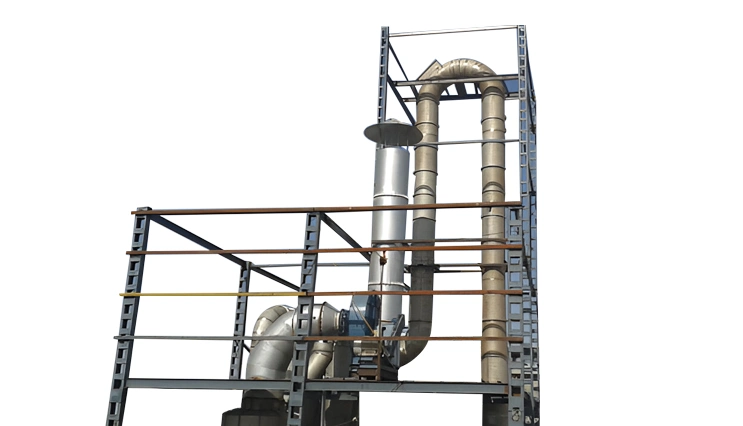
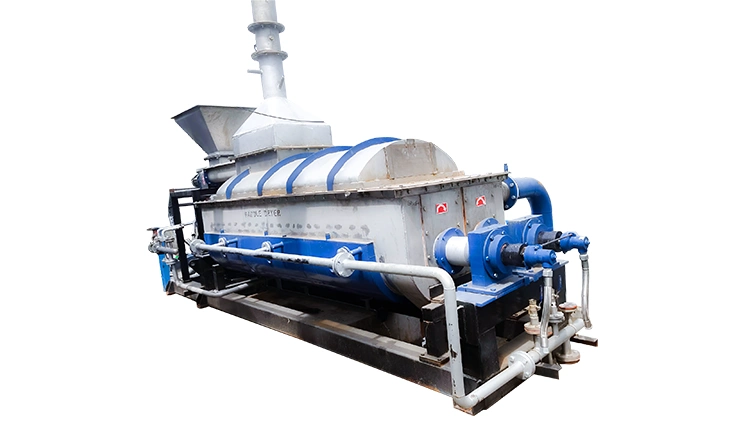
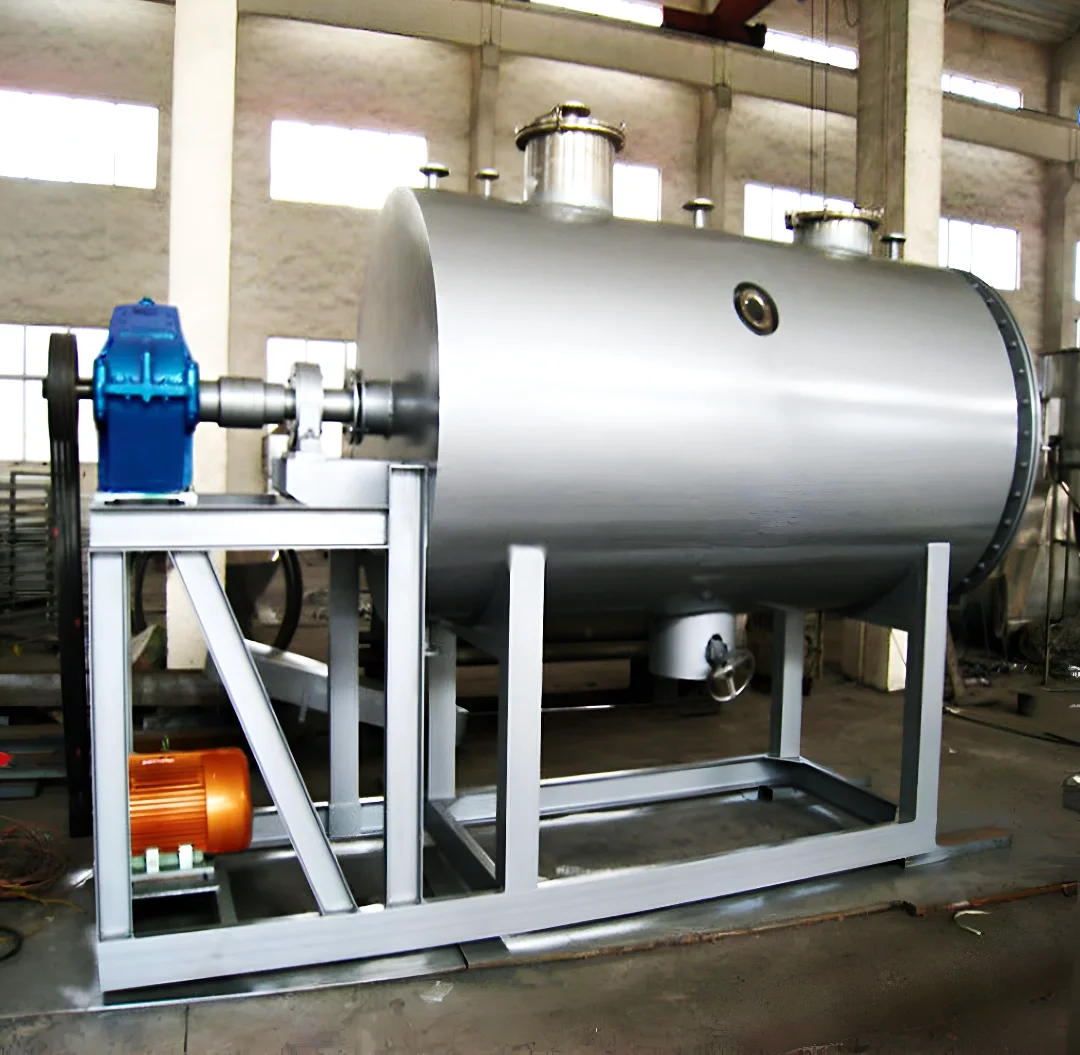
To dry acid dyes, GEM recommends the Flash Dryer. Typical moisture is 40–60% in the feed and 2–5% after drying. Paddle Dryer and Rotary Vacuum Dryer are used when the feed or site calls for it. Every project starts with a pilot trial on your own sample.
A flash dryer with a feed disintegrator breaks up water-wet acid dye cake and dries it in seconds, keeping heat exposure short. Paddle dryers suit sticky, high-salt grades, and rotary vacuum dryers handle small, heat-sensitive batches.
| Typical feed moisture | 40–60% |
| Typical target moisture | 2–5% |
| Recommended dryer | Flash Dryer |
| Alternatives | Paddle Dryer, Rotary Vacuum Dryer |
| Application area | Dyes, Pigments & Intermediates |
| Industries | Dyes, Pigments & Inks, Textile & Dye Houses |
Consistent drying keeps shade and strength in specification, which reduces reprocessing and customer complaints. Efficient presscake drying also cuts energy per kilogram of dye and supports quick colour changeovers.
Plants searching for a acid dye dryer or comparing a dye presscake drying usually need three answers: which dryer fits, what it costs to run, and how fast it pays back. For Acid Dyes, we start from your throughput, current moisture (typically 40–60%) and the target (2–5%), trial a sample on the Flash Dryer, and return a sized recommendation with a budget quotation for your dyes and textile operation.
We trial your material in our pilot facility before any equipment decision, then size the dryer from real data.
Describe it in the form, or message an engineer directly.