70–80% → 2–4% moisture. About 75% of the feed weight leaves as water, giving a stable product that stores and ships.
Baby food drying converts a cooked slurry of cereals, milk solids and fruit into thin flakes that reconstitute instantly with water or milk. The same heat that cooks the starch must not damage vitamins or create off flavours. Manufacturers dry infant cereals and weaning foods to produce safe, consistent, long-life products under strict hygiene rules.
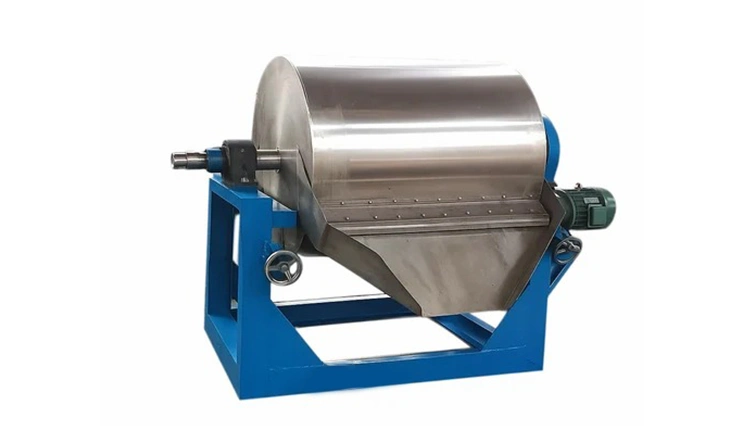
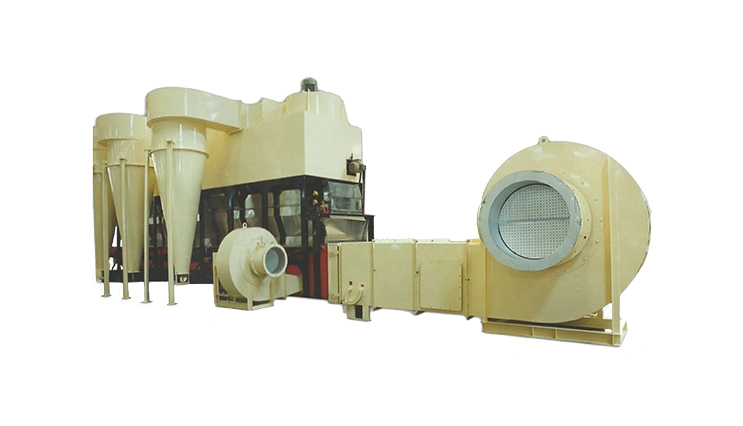
To dry baby food, GEM recommends the Single / Double Drum Dryer. Typical moisture is 70–80% in the feed and 2–4% after drying. Freeze Dryer / Lyophilizer and Vibratory Fluid Bed Dryer are used when the feed or site calls for it. Every project starts with a pilot trial on your own sample.
A drum dryer cooks and dries cereal slurry in one step, giving instant flakes that dissolve without lumps. Freeze drying is chosen for premium fruit and vegetable purees, and a fluid bed is used for agglomerating blended powders.
| Typical feed moisture | 70–80% |
| Typical target moisture | 2–4% |
| Recommended dryer | Single / Double Drum Dryer |
| Alternatives | Freeze Dryer / Lyophilizer, Vibratory Fluid Bed Dryer |
| Application area | Food Products & Snacks |
| Industries | Food & Beverage |
Drum-dried infant cereal combines cooking and drying, reducing process steps. Consistent rehydration and low moisture protect shelf life and meet the quality expectations of a category where brand trust is critical.
Plants searching for a baby food drum dryer or comparing a infant cereal drying usually need three answers: which dryer fits, what it costs to run, and how fast it pays back. For Baby Food, we start from your throughput, current moisture (typically 70–80%) and the target (2–4%), trial a sample on the Single / Double Drum Dryer, and return a sized recommendation with a budget quotation for your food operation.
We trial your material in our pilot facility before any equipment decision, then size the dryer from real data.
Describe it in the form, or Message an Engineer directly →