35–40% → 12–14% moisture. About 30% of the feed weight leaves as water, giving a stable product that stores and ships.
Starch drying takes wet starch cake from vacuum filters or centrifuges and dries it to a fine white powder in seconds. Native starch is heat sensitive: too much temperature gelatinises granules and changes functionality. Producers of corn, tapioca, wheat and potato starch need fast, controlled drying to protect whiteness, viscosity and food safety.
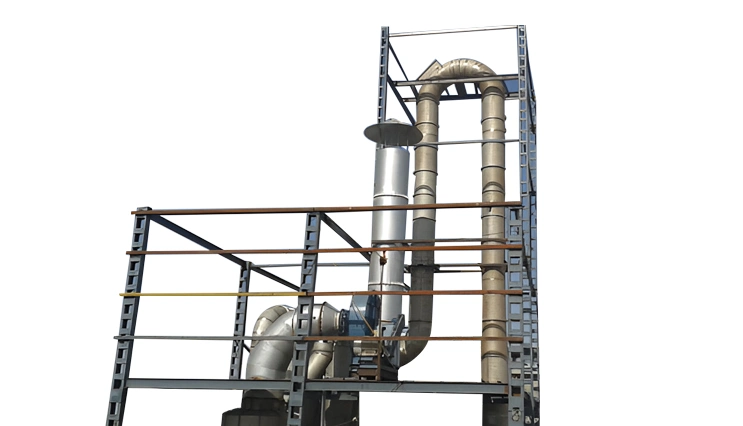
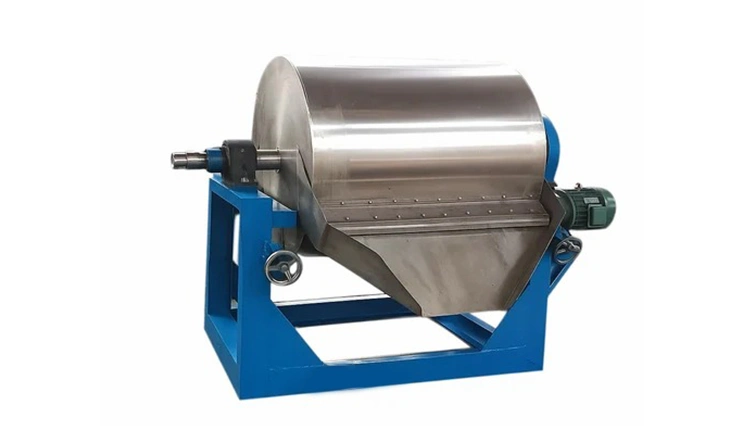
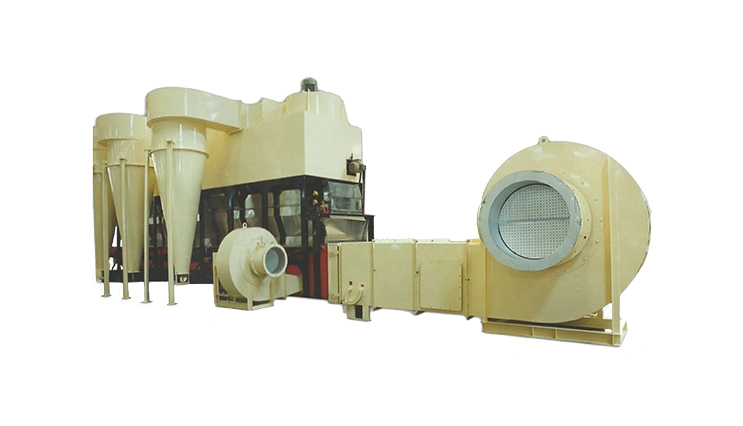
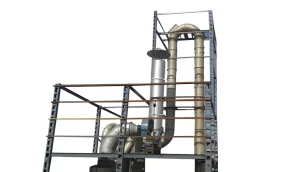
To dry starch, GEM recommends the Flash Dryer. Typical moisture is 35–40% in the feed and 12–14% after drying. Single / Double Drum Dryer and Vibratory Fluid Bed Dryer are used when the feed or site calls for it. Every project starts with a pilot trial on your own sample.
A flash dryer suits native starch because the short contact time lets evaporation keep particles cool while drying. A drum dryer is chosen for pregelatinised starch, and a fluid bed is used for modified starch granules or conditioning.
| Typical feed moisture | 35–40% |
| Typical target moisture | 12–14% |
| Recommended dryer | Flash Dryer |
| Alternatives | Single / Double Drum Dryer, Vibratory Fluid Bed Dryer |
| Application area | Food Products & Snacks |
| Industries | Food & Beverage, Chemicals & Specialty Chemicals |
Fast, controlled drying keeps starch within viscosity and whiteness specifications, protecting sale price. Flash drying also handles high tonnage in a compact plant, which keeps cost per tonne low.
Plants searching for a starch flash dryer or comparing a tapioca starch dryer usually need three answers: which dryer fits, what it costs to run, and how fast it pays back. For Starch, we start from your throughput, current moisture (typically 35–40%) and the target (12–14%), trial a sample on the Flash Dryer, and return a sized recommendation with a budget quotation for your food and chemicals operation.
We trial your material in our pilot facility before any equipment decision, then size the dryer from real data.
Describe it in the form, or Message an Engineer directly →