Tapioca pearls and sago drying follows a step in which wet starch globules are partly gelatinised by roasting or steaming, giving the pearl its firm shell. The pearls then need slow, even drying so they stay round and do not split. In India, sabudana is widely consumed, and processors dry sago to reach storage moisture and replace weather-dependent sun drying.
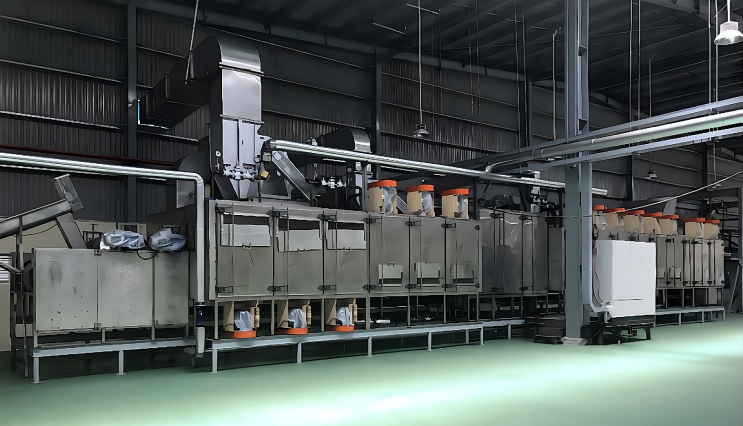
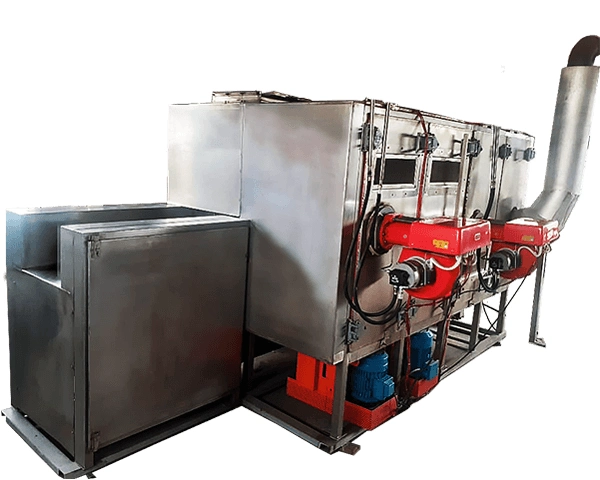
To dry tapioca pearls & sago, GEM recommends the Multi-Pass Conveyor Dryer. Typical moisture is 35–45% in the feed and 12–13% after drying. Band Dryer, Industrial Roaster and Vibratory Fluid Bed Dryer are used when the feed or site calls for it. Every project starts with a pilot trial on your own sample.
A multi-pass conveyor dryer gives sago pearls a gentle, long drying in a moving bed that keeps them separate. A band dryer suits smaller units, a roaster handles the gelatinising step, and a fluid bed is used for final conditioning.
| Typical feed moisture | 35–45% |
| Typical target moisture | 12–13% |
| Recommended dryer | Multi-Pass Conveyor Dryer |
| Alternatives | Band Dryer, Industrial Roaster, Vibratory Fluid Bed Dryer |
| Application area | Food Products & Snacks |
| Industries | Food & Beverage |
Mechanical drying makes production independent of monsoon weather, improves hygiene and gives consistent whiteness. Fewer cracked pearls raise saleable yield, and clean, uniform product meets the requirements of packaged-food and export buyers.
Plants searching for a sago dryer or comparing a sabudana drying machine usually need three answers: which dryer fits, what it costs to run, and how fast it pays back. For Tapioca Pearls & Sago, we start from your throughput, current moisture (typically 35–45%) and the target (12–13%), trial a sample on the Multi-Pass Conveyor Dryer, and return a sized recommendation with a budget quotation for your food operation.
We trial your material in our pilot facility before any equipment decision, then size the dryer from real data.
Describe it in the form, or message an engineer directly.