


Grains, Pulses & Seeds Drying
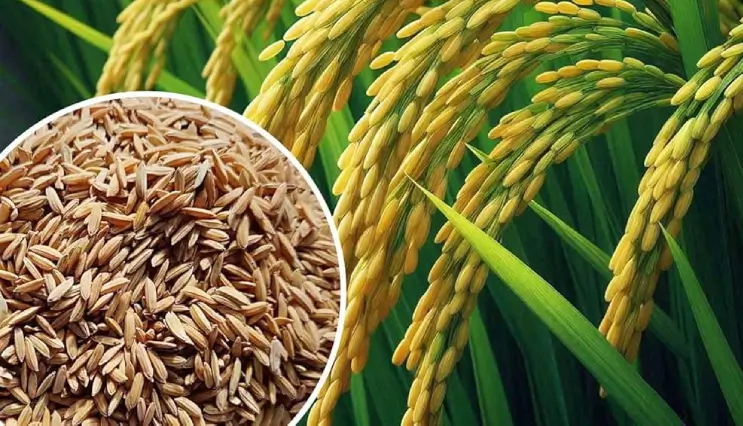
Grains, pulses and seeds include paddy, wheat, maize, barley, millets, chickpeas, grams, beans, soybean and planting seed. Harvested grain often arrives at 16–35% moisture, too wet for safe storage. Drying it to 10–14% stops mould, insect activity and heating in silos, preserves germination and milling quality, and lets processors buy at harvest and store until prices or demand improve.
GEM dries 17 materials in Grains, Pulses and Seeds, most often on the Grain Dryer and Vibratory Fluid Bed Dryer. The table below compares typical moisture and the recommended dryer for each one.
Grains, Pulses & Seeds: moisture and dryer by material
| Material | Feed moisture | Target | Recommended dryer |
|---|---|---|---|
| Paddy | 20–25% | 13–14% | Grain Dryer |
| Rice | 30–35% | 12–14% | Vibratory Fluid Bed Dryer / Grain Dryer |
| Wheat | 16–22% | 12–13% | Grain Dryer |
| Maize / Corn | 25–35% | 13–14% | Grain Dryer |
| Barley | 16–20% | 12–13% | Grain Dryer |
| Rye | 16–20% | 13–14% | Grain Dryer |
| Oats | 16–20% | 12–13% | Grain Dryer |
| Sorghum & Millets | 18–25% | 12–13% | Grain Dryer / Vibratory Fluid Bed Dryer |
| Chickpeas | 15–20% | 10–12% | Grain Dryer |
| Green Gram | 16–20% | 10–12% | Vibratory Fluid Bed Dryer |
| Black Gram | 18–22% | 10–12% | Grain Dryer |
| Toor Dal | 18–22% | 10–12% | Grain Dryer |
| Beans | 18–22% | 13–15% | Grain Dryer |
| Soybean | 16–20% | 11–13% | Grain Dryer |
| Oilseeds | 15–35% | 7–12% | Grain Dryer |
| Seed | 18–35% | 10–13% | Grain Dryer |
| Cocoa Beans | 55–60% | 6–8% | Band Dryer / Multi-Pass Conveyor Dryer |
Dryer selection for grains, pulses & seeds
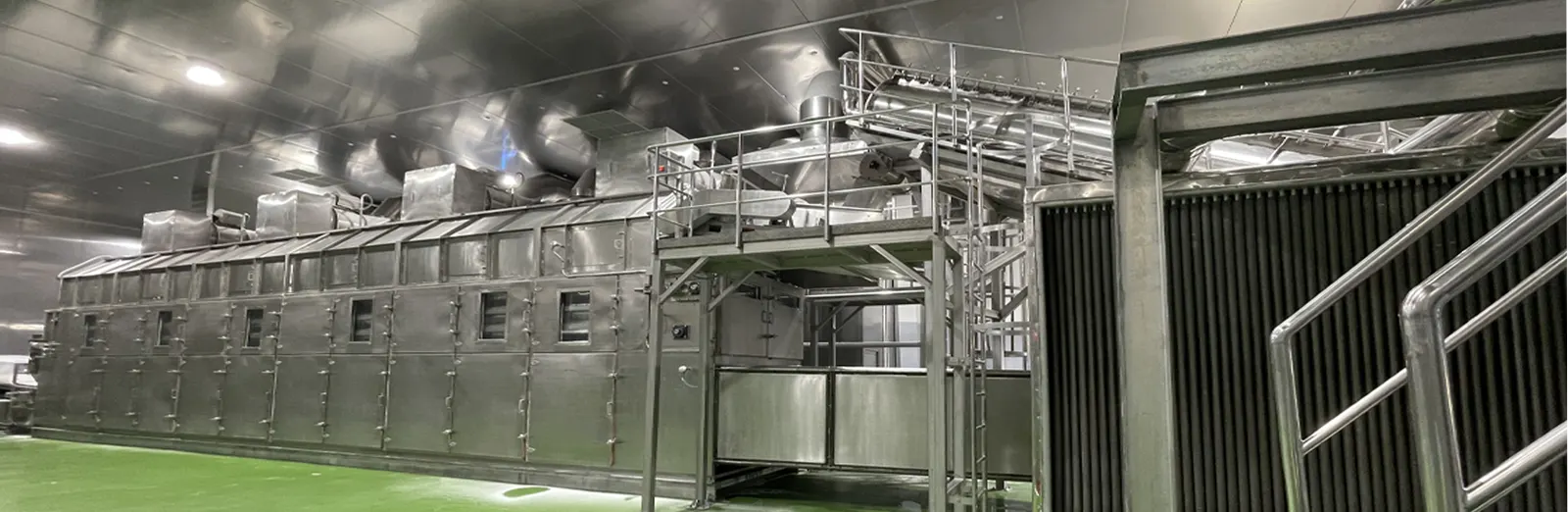
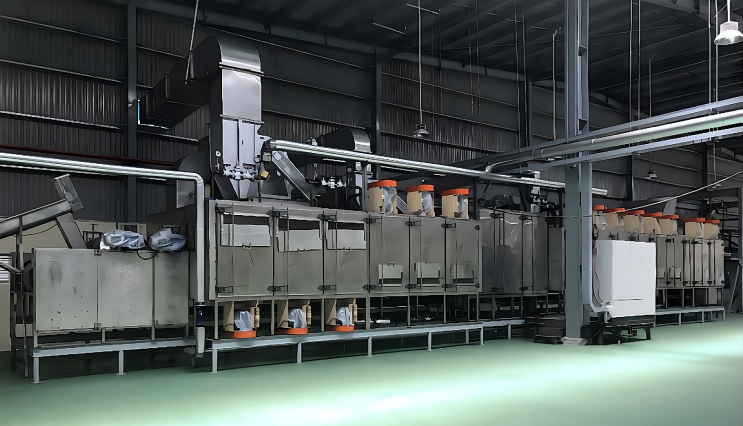
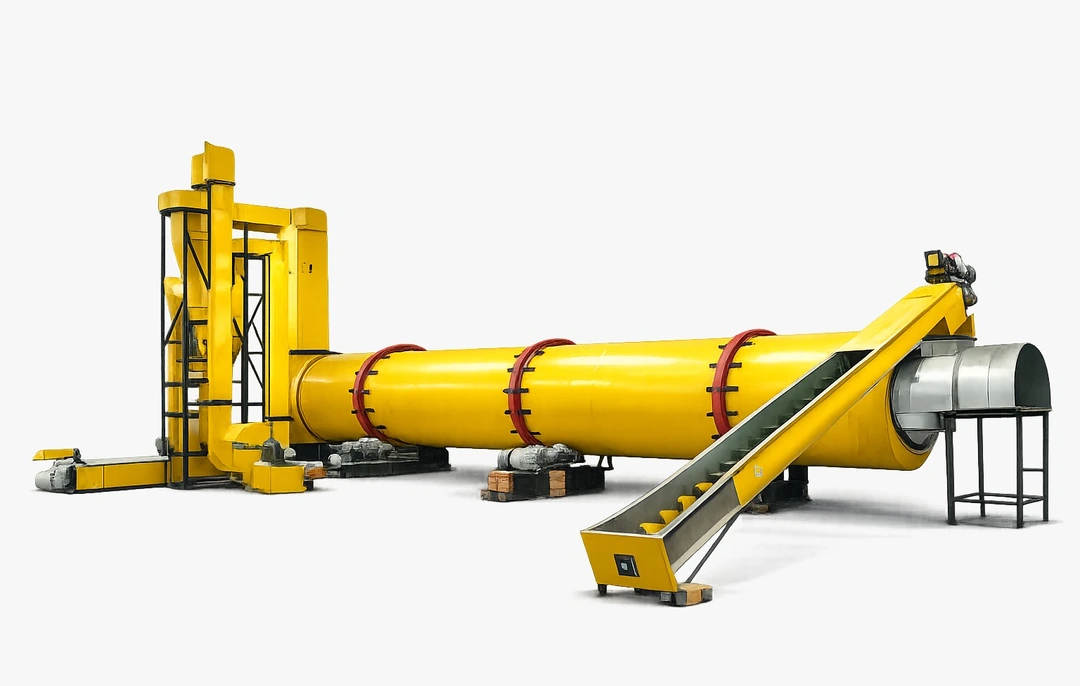
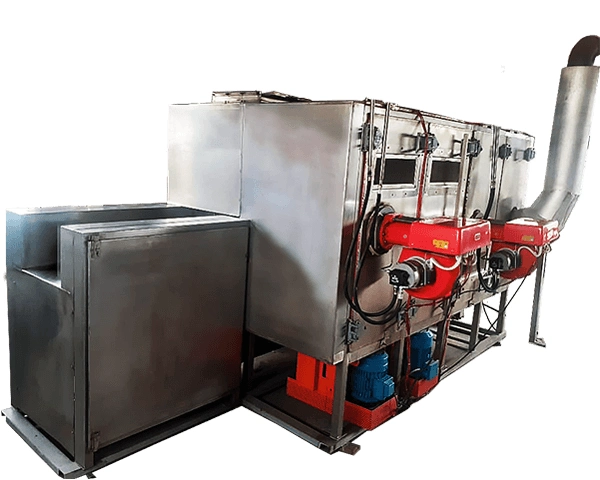
Bulk cereals, pulses and seed are dried in grain dryers, where controlled air at moderate temperature passes through a moving column of grain, often with tempering to let moisture equalise inside the kernel. Vibratory fluid bed dryers suit parboiled rice, green gram and small, free-flowing seeds that need fast surface drying. Band and multi-pass conveyor dryers are chosen for high-moisture products such as fermented cocoa beans, and roasters follow where flavour development is needed.
| Feed moisture | 15–35% for most cereals, pulses and seeds; 55–80% for cocoa beans and green peas |
| Target moisture | 12–14% for cereal storage; 10–12% for pulses; 5–8% for cocoa beans and dried peas |
| Drying air temperature | Typically 40–110°C depending on grain and end use, with lower limits for seed and malting barley |
| Heat sources | Husk or biomass furnace, diesel or gas burner, steam or hot water |


What makes these materials hard to dry
- Drying too fast causes stress cracks in rice and maize kernels, lowering head rice yield and milling value.
- Seed and malting grain must keep germination, so kernel temperature has to stay below safe limits throughout drying.
- Harvest intake is uneven, and wet lots must be dried quickly before heating and mould begin in storage.
- Dust, husk and chaff create housekeeping and fire concerns and must be separated from the exhaust air.
Why it pays back
Drying protects the value of a harvest. Grain stored at the right moisture keeps its weight, grade and germination, avoids losses to mould and insects, and lets mills, traders and seed companies time their sales rather than selling wet grain at harvest discounts.
Grains, Pulses & Seeds: questions buyers ask
What moisture is safe for storing paddy and maize?
How do you avoid cracking rice during drying?
Can the same dryer handle grains and pulses?
Send us a sample. See it dried.
We trial your material in our pilot facility before any equipment decision, then size the dryer from real data.
- Tell us the material, moisture and throughput.
- An engineer confirms the trial plan and sample shipping.
- You get drying data and a sized recommendation with a budget quotation.
Material not listed? Talk to our technical expert.
Describe it in the form, or message an engineer directly.
