


Bakery, Biscuits & Rice Crackers
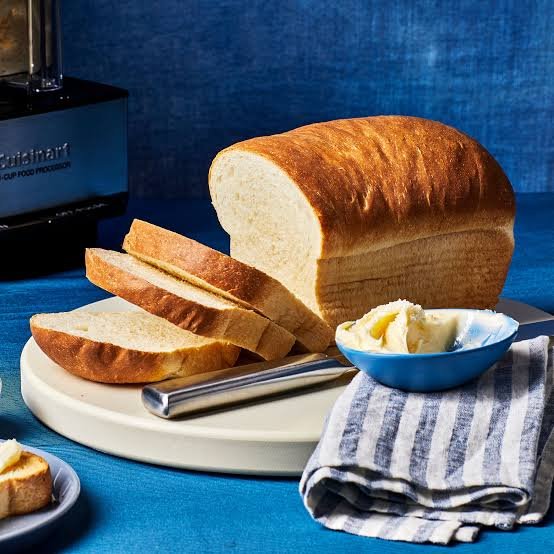
This family covers continuously baked and dried products: bread, biscuits and cookies, crackers, rusk and toast, cakes, pizza bases, croutons and rice crackers. Unlike drying a by-product, the aim is a controlled bake that sets rise, colour, texture and, for crisp lines, a final moisture of only a few percent. A continuous oven gives repeatable quality at production scale, from the start of a shift to its end.
GEM dries 9 materials in Bakery, Biscuits and Rice Crackers, most often on the Tunnel & Belt Oven. The table below compares typical moisture and the recommended dryer for each one.
Bakery, Biscuits & Rice Crackers: moisture and dryer by material
| Material | Feed moisture | Target | Recommended dryer |
|---|---|---|---|
| Bread | Pilot trial | To spec | Tunnel & Belt Oven |
| Biscuits & Cookies | Pilot trial | 1–4% | Tunnel & Belt Oven |
| Crackers | Pilot trial | 2–4% | Tunnel & Belt Oven |
| Rice Crackers | Pilot trial | 2–4% | Tunnel & Belt Oven / Band Dryer |
| Rice Cakes | Pilot trial | To spec | Tunnel & Belt Oven |
| Rusk & Toast | Pilot trial | 3–5% | Tunnel & Belt Oven |
| Cakes & Sponges | Pilot trial | To spec | Tunnel & Belt Oven |
| Pizza Bases | Pilot trial | To spec | Tunnel & Belt Oven |
| Croutons & Bread Crumbs | 35–40% | 4–8% | Tunnel & Belt Oven |
Dryer selection for bakery, biscuits & rice crackers
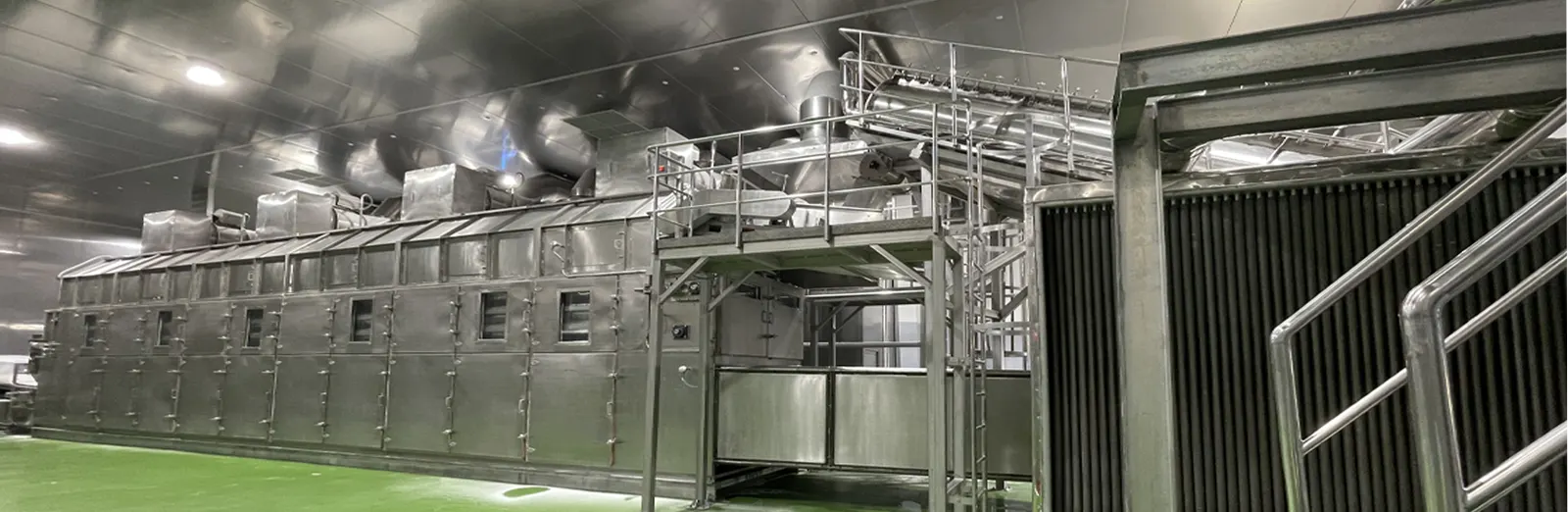
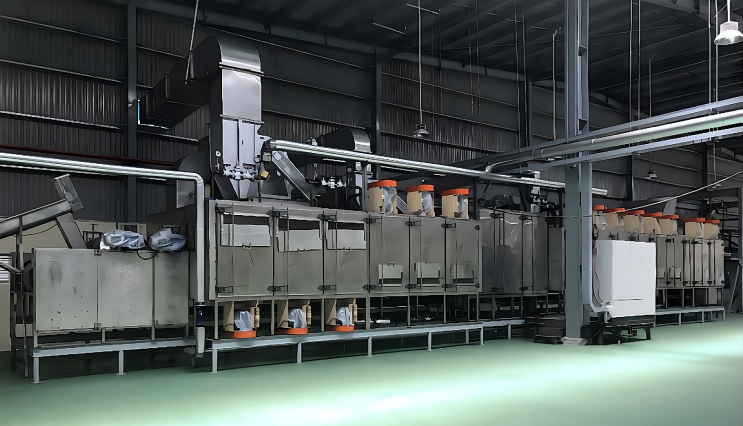
The core equipment is our tunnel and belt oven: a continuous oven operating at 100–300°C, divided into independently controlled zones and heated by electricity, gas, oil or steam. It bakes bread, biscuits, crackers, cakes and pizza bases, and second-bakes rusk and croutons. For rice crackers, the oven handles drying, baking, toasting and seasoning setting; puffed rice cakes are formed on separate puffing machines. Band dryers and coolers support pre-drying and cooling before packing.
| Oven temperature | 100–300°C, set independently in each zone |
| Heating options | Electric, gas, oil or steam |
| Final moisture (crisp products) | Around 1–5% for biscuits, crackers, rice crackers and rusk; 4–8% for croutons |
| Process note | Puffed rice cakes are formed on puffing machines; the oven is used for drying, baking, toasting and seasoning setting |



What makes these materials hard to dry
- Heat must be even across the full belt width so products at the edges colour and bake like those in the centre.
- Biscuits and crackers must reach low final moisture without over-browning, or checking and cracking during cooling and packing.
- Rice crackers need separate drying, baking, toasting and seasoning-setting steps, each with different temperature and humidity conditions.
- Changeovers between bread, cakes, rusk and crackers need quick, repeatable temperature and belt-speed settings for every zone.
Why it pays back
A continuous, zoned oven gives bakeries and snack makers consistent colour, texture and moisture at production rates, reduces rejects and manual handling compared with batch ovens, and lets one line run several product families through repeatable zone settings.
Bakery, Biscuits & Rice Crackers: questions buyers ask
What heating options are available for the tunnel oven?
Can the tunnel oven make puffed rice cakes?
How long should a tunnel oven be?
Send us a sample. See it dried.
We trial your material in our pilot facility before any equipment decision, then size the dryer from real data.
- Tell us the material, moisture and throughput.
- An engineer confirms the trial plan and sample shipping.
- You get drying data and a sized recommendation with a budget quotation.
Material not listed? Talk to our technical expert.
Describe it in the form, or message an engineer directly.
