


Food Products & Snacks Drying
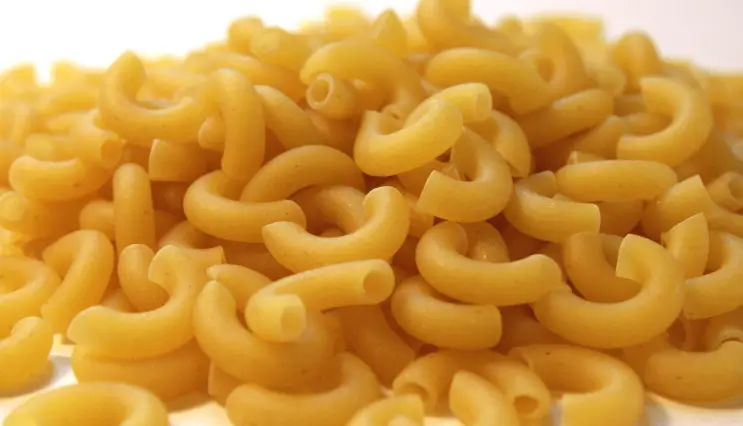
Food products and snacks span formed and processed foods: pasta and noodles, cornflakes and breakfast cereals, extruded snacks, confectionery, ready meals, coffee and tea, sugar, starch, sago and powders such as milk, baby food and fruit concentrate. Each is dried, toasted or cooled as a defined process step. Getting moisture, texture and colour right determines crunch, shelf life, flowability and whether the product meets its specification.
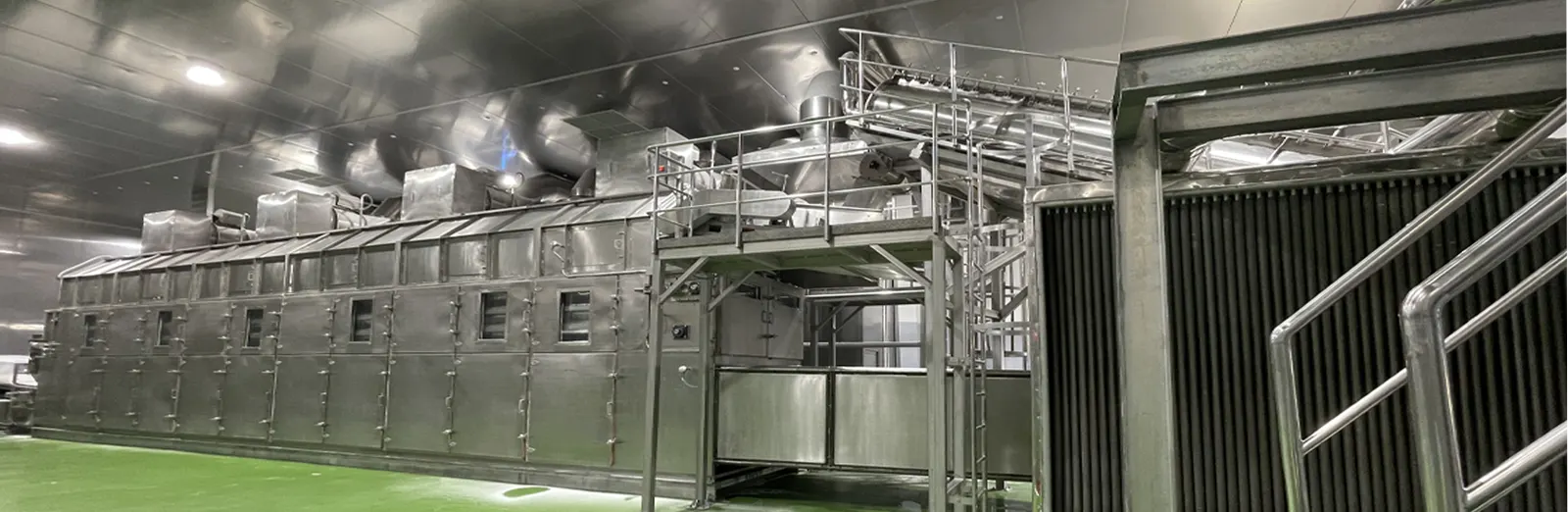
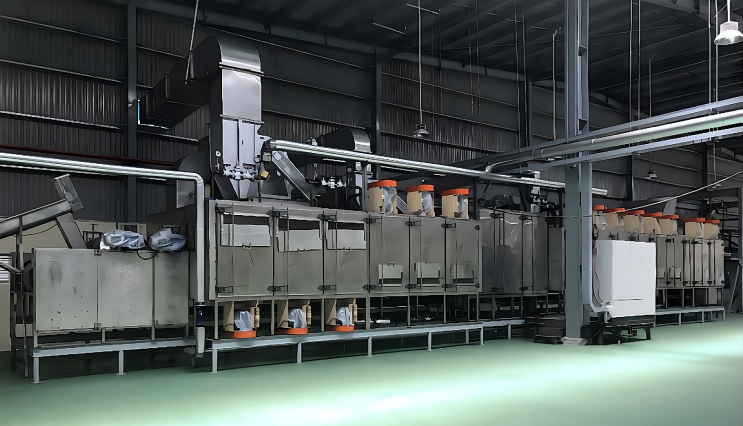
GEM dries 19 materials in Food Products and Snacks, most often on the Band Dryer (Beltotherm), Multi-Pass Conveyor Dryer and Tunnel & Belt Oven. The table below compares typical moisture and the recommended dryer for each one.
Food Products & Snacks: moisture and dryer by material
Dryer selection for food products & snacks
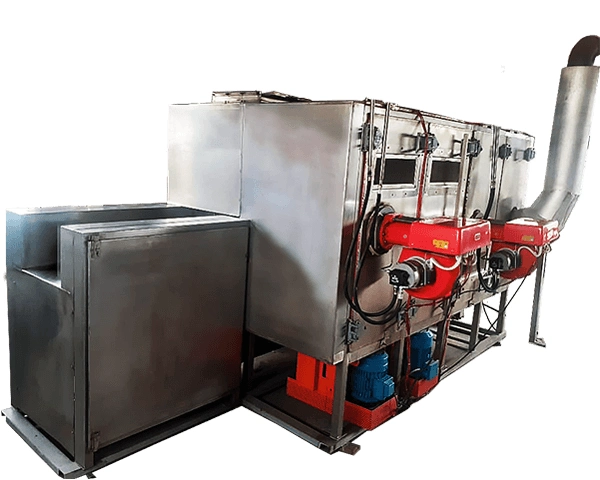
Selection follows the product form. Pasta, noodles and sago dry slowly on multi-pass conveyor dryers with controlled humidity. Cornflakes, wheat flakes and granola are toasted in tunnel ovens or dried on band dryers, as are extruded snacks and confectionery. Drum dryers turn milk, baby food and fruit concentrates into flakes and powder, flash dryers suit starch, and vibratory fluid bed dryers handle sugar, tea and particulate foods. Roasters serve nuts and coffee, and freeze dryers serve instant coffee.
| Feed moisture | Under 2% for sugar; 8–45% for pasta, flakes, snacks and starch; 45–80% for liquid concentrates and ready meals |
| Target moisture | Below 0.1% for sugar; 1–4% for cereals, snacks and powders; 10–14% for pasta, starch and sago |
| Drying approach | Humidity-controlled conveyor drying, oven toasting, contact drum drying or fluid bed drying, chosen by product form |
| Heat sources | Steam, thermal oil, gas, electric or hot water |




What makes these materials hard to dry
- Pasta and noodles crack or check if surface moisture is removed faster than water can migrate from the core.
- Flakes, cereals and extruded snacks need precise final moisture for crunch, as small deviations change texture and shelf life.
- Milk, baby food and fruit powders are heat sensitive and sticky, so contact time and temperature must be closely limited.
- Hygienic design, allergen changeovers and dust control are essential on mixed food lines handling different recipes.
Why it pays back
In processed foods the dryer sets the texture customers pay for. Accurate final moisture improves crunch, shelf life and pack-weight accuracy, reduces breakage and rework, and allows one plant to run several products with predictable, repeatable results.
Food Products & Snacks: questions buyers ask
Why does pasta need a slow, humidity-controlled dryer?
Oven or band dryer for cornflakes and breakfast cereals?
Can you dry milk, baby food and fruit concentrate?
Send us a sample. See it dried.
We trial your material in our pilot facility before any equipment decision, then size the dryer from real data.
- Tell us the material, moisture and throughput.
- An engineer confirms the trial plan and sample shipping.
- You get drying data and a sized recommendation with a budget quotation.
Material not listed? Talk to our technical expert.
Describe it in the form, or message an engineer directly.
