60–75% → 4–8% moisture. About 65% of the feed weight leaves as water, giving a stable product that stores and ships.
Ready-to-eat meals drying turns cooked dishes, such as rice, dal, khichdi, pasta and vegetable curries, into lightweight components that rehydrate with hot water. Each component behaves differently: rice grains can harden, while sauces turn sticky. Food companies dry meals for travel, defence, outdoor and export markets where weight, shelf life and ambient storage matter.
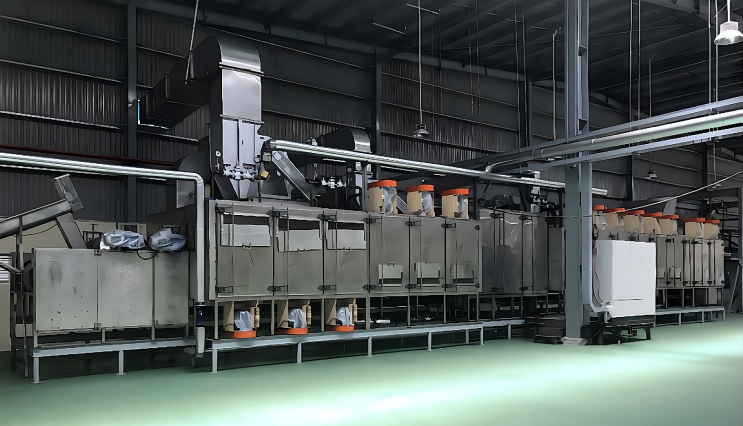
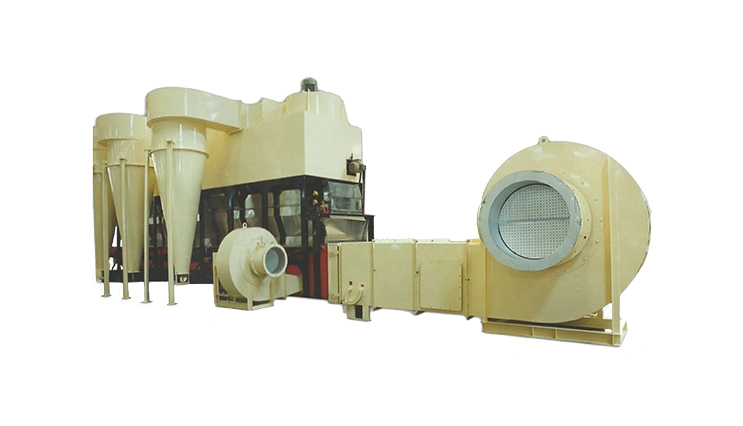
To dry Ready-to-Eat meals, GEM recommends the Band Dryer (Beltotherm). Typical moisture is 60–75% in the feed and 4–8% after drying. Freeze Dryer / Lyophilizer, Multi-Pass Conveyor Dryer and Vibratory Fluid Bed Dryer are used when the feed or site calls for it. Every project starts with a pilot trial on your own sample.
A band dryer handles cooked rice, pulses and vegetable pieces in a uniform bed with zoned temperature for quick rehydration. Freeze drying is chosen for premium meals where texture and flavour justify cost; a multi-pass dryer suits large single components.
| Typical feed moisture | 60–75% |
| Typical target moisture | 4–8% |
| Recommended dryer | Band Dryer (Beltotherm) |
| Alternatives | Freeze Dryer / Lyophilizer, Multi-Pass Conveyor Dryer, Vibratory Fluid Bed Dryer |
| Application area | Food Products & Snacks |
| Industries | Food & Beverage |
Drying removes most of the water weight, cutting freight and allowing storage without refrigeration. This opens retail, institutional and export markets for cooked meals while reducing waste from short-shelf-life chilled stock.
Plants searching for a ready to eat meal dryer or comparing a instant food drying machine usually need three answers: which dryer fits, what it costs to run, and how fast it pays back. For Ready-to-Eat Meals, we start from your throughput, current moisture (typically 60–75%) and the target (4–8%), trial a sample on the Band Dryer, and return a sized recommendation with a budget quotation for your food operation.
We trial your material in our pilot facility before any equipment decision, then size the dryer from real data.
Describe it in the form, or Message an Engineer directly →