


Sludge & Biosolids Drying
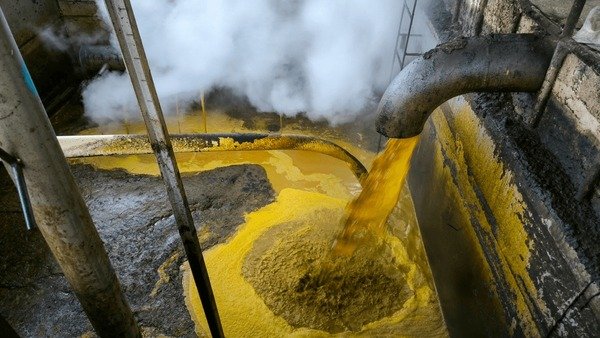
Sludge and biosolids are the dewatered solids left after municipal and industrial wastewater treatment: sewage sludge, digestate, ETP and CETP sludges, paper mill and tannery residues. Even after a belt press or centrifuge they still hold 65–90% water, which makes haulage and landfill expensive. Thermal drying cuts their mass by roughly two thirds to three quarters, stabilises the solids and turns them into a fuel, soil conditioner or compact, lower-cost disposal stream.
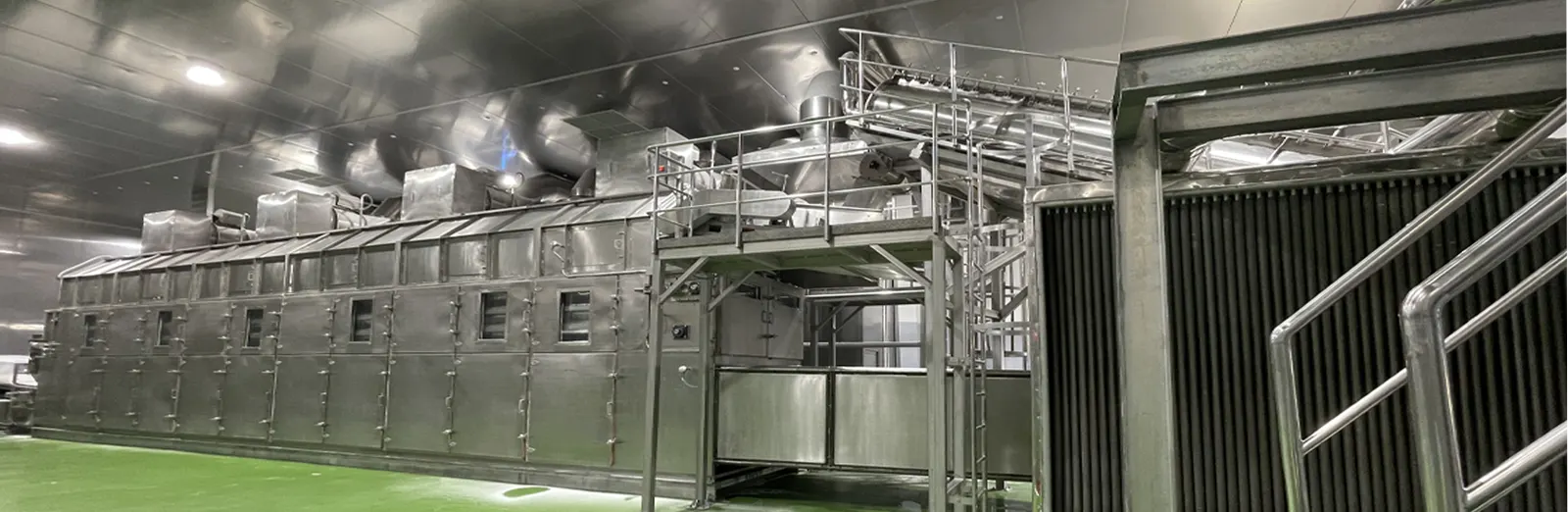
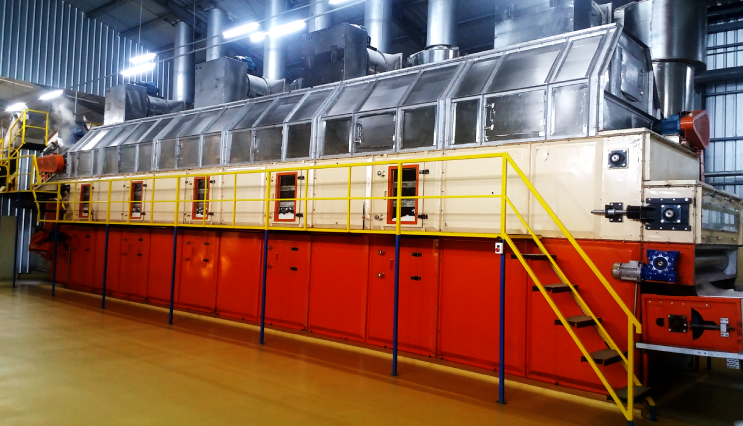
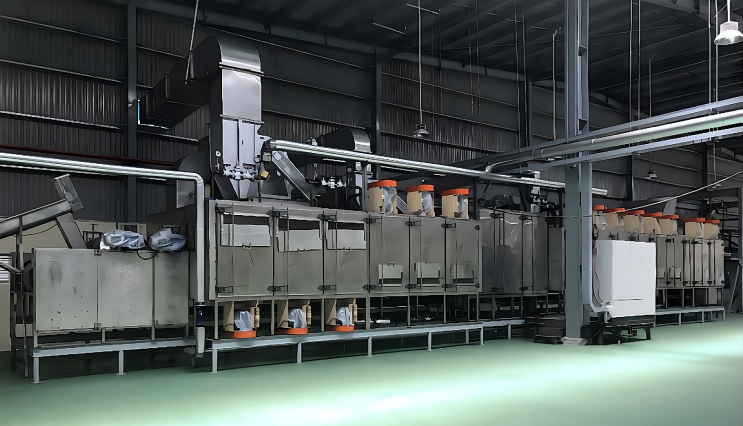
GEM dries 16 materials in Sludge and Biosolids, most often on the Mesh Belt Dryer (Meshotherm) and Band Dryer (Beltotherm). They are grouped into 2 sub-groups below, each with a moisture comparison table.
Sludge & Biosolids by group
More sludge & biosolids materials
| Material | Feed moisture | Target | Recommended dryer |
|---|---|---|---|
| Paper Mill Sludge | 55–70% | 10–20% | Mesh Belt Dryer |
| Deinking Sludge | 50–60% | 10–15% | Rotary Dryer |
| Lime Sludge | 25–40% | 1–5% | Flash Dryer / Rotary Dryer |
Dryer selection for sludge & biosolids
Selection follows the sludge rather than a fixed catalogue. Municipal sewage sludge, biosolids, digestate and paper mill sludge are usually extruded into strands and dried on mesh belt dryers at low to moderate air temperatures, often using waste heat. Sticky ETP, chemical, tannery, textile and food or DAF sludges go to sealed paddle dryers that carry the paste through its sticky phase indirectly. Agitated thin film dryers suit ZLD concentrates, drum dryers suit some distillery sludges, and rotary or flash dryers suit drier lime and deinking sludges.
| Feed moisture (after dewatering) | 65–90% for most sludges; 25–60% for lime, deinking |
| Target moisture | 10–20% for disposal or co-processing; 5–10% for fuel or granular product |
| Drying approach | Low-temperature through-air belt drying for extruded sludge; indirect contact drying for sticky or odorous pastes |
| Heat sources | Waste heat, hot water, steam, thermal oil, biogas or flue gas, depending on the site |


What makes these materials hard to dry
- Most sludges pass through a sticky, plastic phase at roughly 40–60% dry solids, where they can cake, ball or foul heated surfaces.
- Odour, ammonia and volatile organics are released during drying, so exhaust air needs containment and treatment before discharge.
- Feed solids vary with season, polymer dose and dewatering performance, so the dryer must tolerate swings in moisture and consistency.
- Dried sludge dust is combustible and can self-heat in storage, which calls for controlled outlet moisture, cooling and safe handling.
Why it pays back
Every tonne of water removed is a tonne not trucked or landfilled. Drying sludge from around 80% to 10–15% moisture typically cuts its mass by about 75%, lowers disposal and transport cost, and opens outlets such as cement kiln co-processing, fuel blending or land application where regulations permit.
Sludge & Biosolids: questions buyers ask
Should sludge be dried on a belt dryer or a paddle dryer?
How much does drying reduce sludge disposal weight?
Can waste heat be used to dry sludge?
Send us a sample. See it dried.
We trial your material in our pilot facility before any equipment decision, then size the dryer from real data.
- Tell us the material, moisture and throughput.
- An engineer confirms the trial plan and sample shipping.
- You get drying data and a sized recommendation with a budget quotation.
Material not listed? Talk to our technical expert.
Describe it in the form, or message an engineer directly.
