Municipal sewage sludge drying turns the dewatered cake from a sewage treatment plant, usually 18–25% dry solids, into a compact, storable granule. Every truckload of cake carries roughly three to four parts water for each part of solids. Drying removes that load and opens fuel and soil-use outlets beyond landfill.
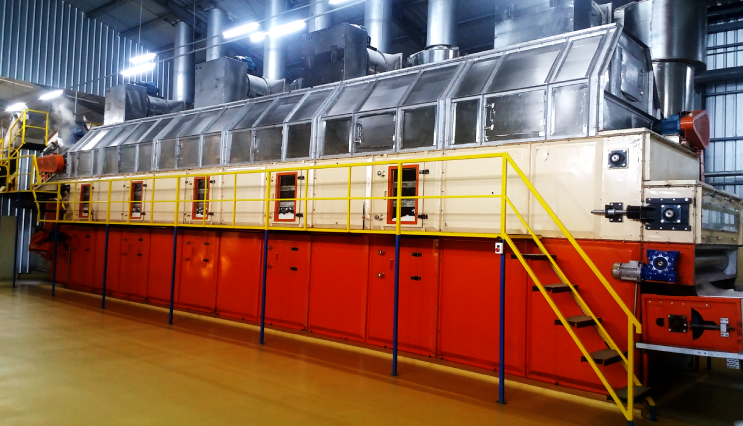
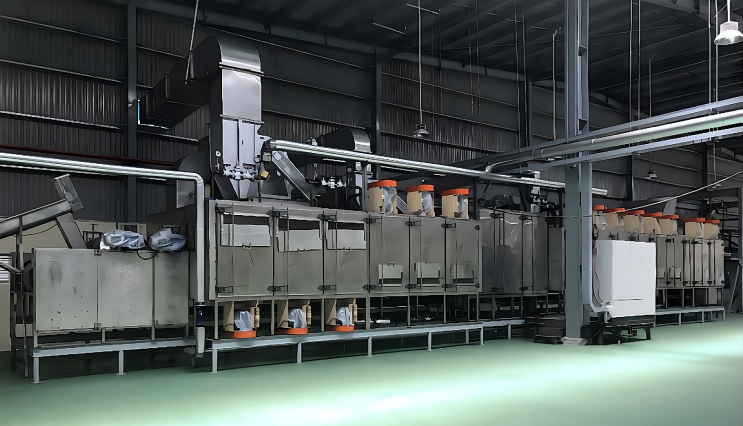
To dry municipal sewage sludge, GEM recommends the Mesh Belt Dryer (Meshotherm). Typical moisture is 75–82% in the feed and 10–15% after drying. Paddle Dryer, Rotary Tube Bundle Dryer and Band Dryer are used when the feed or site calls for it. Every project starts with a pilot trial on your own sample.
Extruded into strands, sewage cake forms an open bed that low-temperature air passes through on a Meshotherm belt, avoiding mechanical shearing through the glue phase and allowing waste heat use. A paddle or tube dryer suits sites wanting a smaller, fully enclosed indirect unit. Digested, stabilised cake for beneficial reuse is covered on our biosolids page.
| Typical feed moisture | 75–82% |
| Typical target moisture | 10–15% |
| Recommended dryer | Mesh Belt Dryer (Meshotherm) |
| Alternatives | Paddle Dryer, Rotary Tube Bundle Dryer, Band Dryer |
| Application area | Sludge & Biosolids |
| Industries | Wastewater & Environmental |
Hauling and tipping fees are charged per wet tonne, so removing most of the water cuts recurring disposal cost sharply. Dried granules store without rotting, carry useful calorific value and give the utility outlets other than landfill.
Plants searching for a sewage sludge dryer or comparing a municipal sludge drying system usually need three answers: which dryer fits, what it costs to run, and how fast it pays back. For Municipal Sewage Sludge, we start from your throughput, current moisture (typically 75–82%) and the target (10–15%), trial a sample on the Mesh Belt Dryer, and return a sized recommendation with a budget quotation for your wastewater operation.
Compare all 4 materials in Municipal Sludge & Biosolids or browse the wider Sludge & Biosolids family.
We trial your material in our pilot facility before any equipment decision, then size the dryer from real data.
Describe it in the form, or message an engineer directly.