


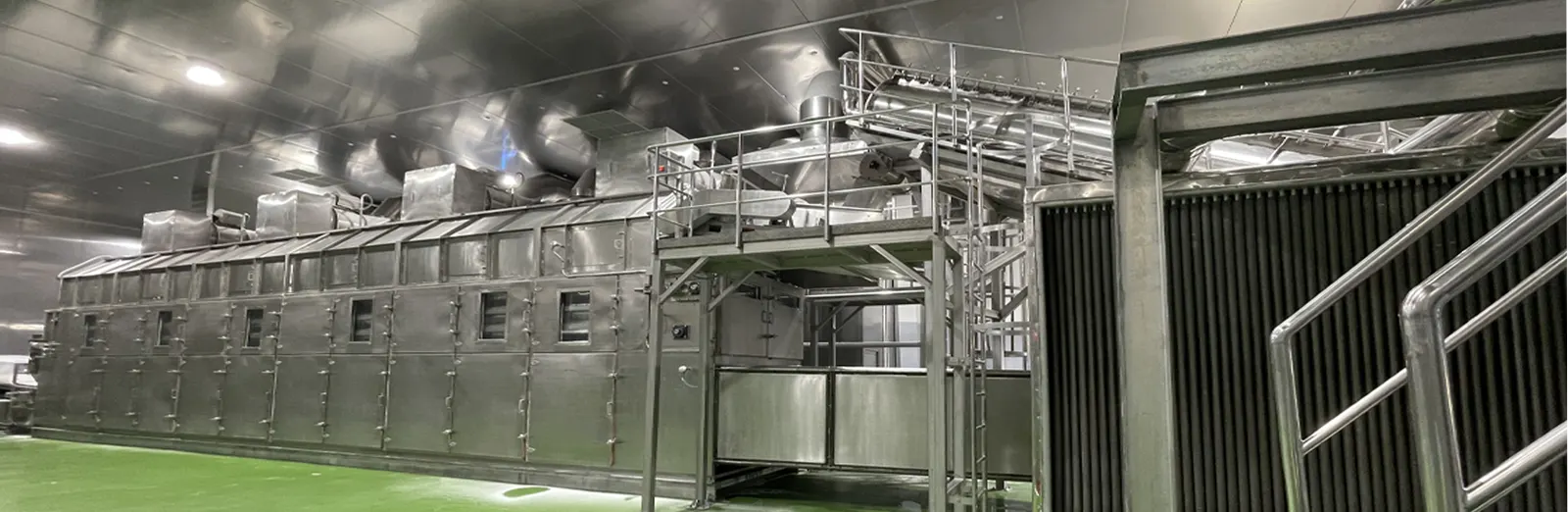
Forage & Green Fodder Drying
Forage and green fodder means fresh-cut crops grown for livestock: alfalfa (lucerne), Napier grass, fodder maize, sorghum and pasture grasses. Harvested green, they hold 60–88% water and spoil within days. Artificial drying converts a perishable, seasonal crop into stable fodder at 10–12% moisture that can be baled, pelleted, stored and traded, typically keeping more protein and green colour than field sun-curing.
GEM dries 5 materials in Forage and Green Fodder, most often on the Mesh Belt Dryer (Meshotherm) and Hybrid Belt + Fluid Bed Dryer (Aerodryve). The table below compares typical moisture and the recommended dryer for each one.
Forage & Green Fodder: moisture and dryer by material
| Material | Feed moisture | Target | Recommended dryer |
|---|---|---|---|
| Alfalfa (Lucerne) | 65–80% | 8–12% | Hybrid Belt + Fluid Bed Dryer / Mesh Belt Dryer |
| Napier Grass | 80–88% | 10–12% | Hybrid Belt + Fluid Bed Dryer |
| Grass & Hay | 60–80% | 10–12% | Mesh Belt Dryer |
| Green Fodder Maize | 65–75% | 10–12% | Hybrid Belt + Fluid Bed Dryer |
| Sorghum Fodder | 70–80% | 10–12% | Mesh Belt Dryer |
Dryer selection for forage & green fodder
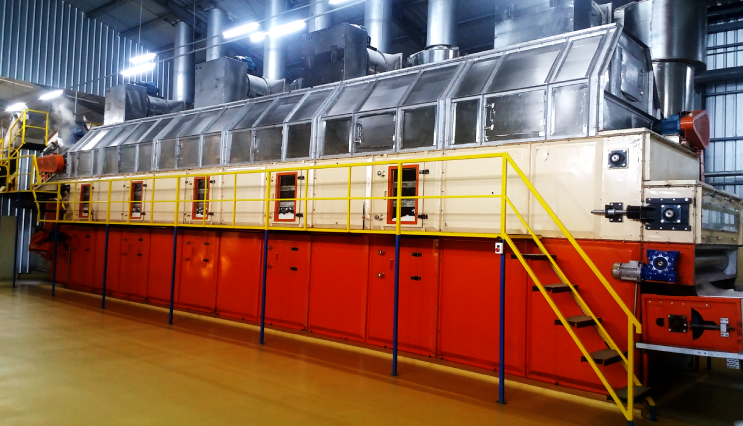
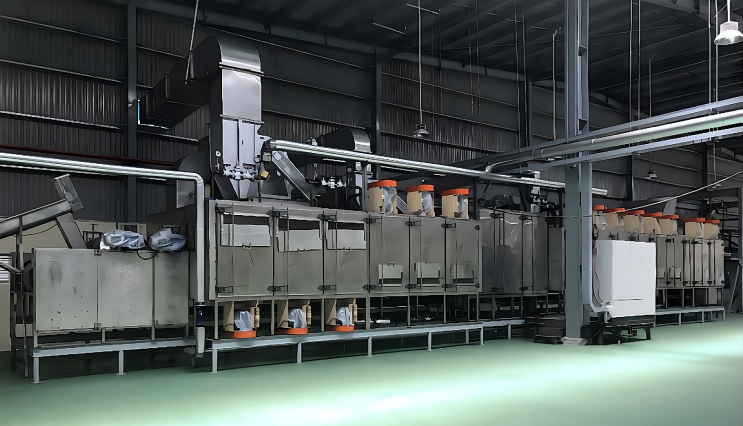
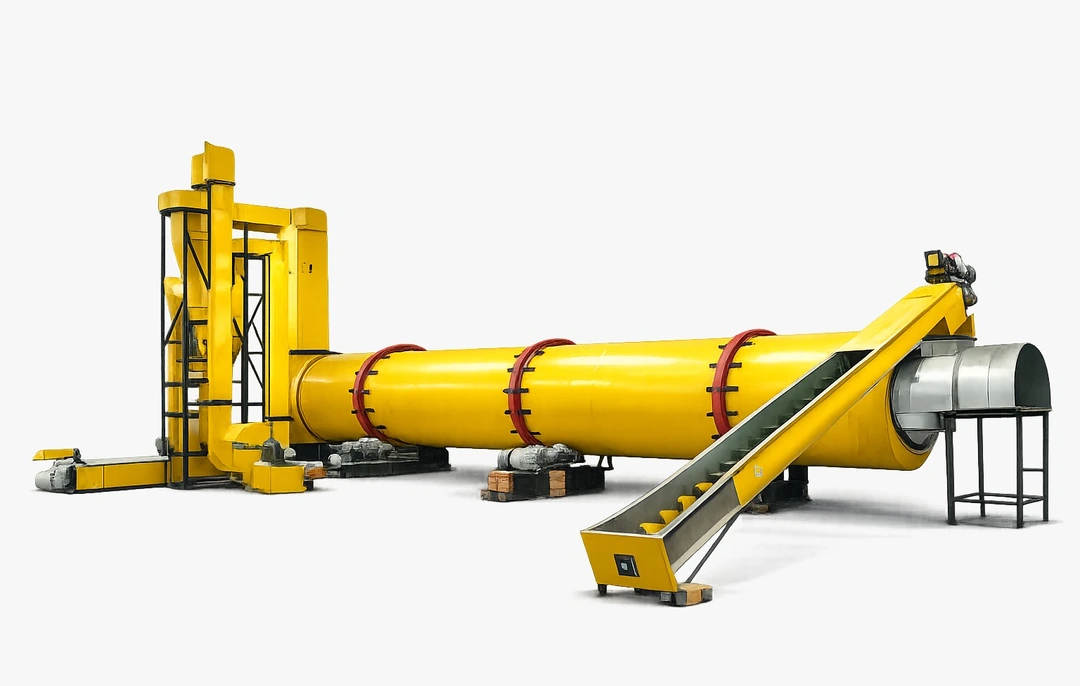
Forage drying is mostly a belt-dryer task. Our hybrid Aerodryve, which combines belt drying with fluidisation, is the usual choice for very wet, bulky crops such as Napier grass, fodder maize and fresh alfalfa, because agitation breaks up mats and raises evaporation. Mesh belt dryers suit grass, hay, sorghum and partly wilted crops where a steady through-air bed is enough. Rotary dryers are an alternative for high-throughput lines, and band dryers for gentler, quality-focused drying.
| Feed moisture | 60–88% fresh-cut; lower after field wilting |
| Target moisture | 10–12% for bales, cubes and pellets |
| Drying approach | Through-air belt drying, with fluidisation for very wet or matted crop, at moderate temperatures to protect protein |
| Heat sources | Biomass furnace, gas or oil burner, steam or recovered heat |

What makes these materials hard to dry
- Very high feed moisture, often above 75%, means a large evaporation load and a big share of plant energy cost.
- Leaves dry much faster than stems, so uneven drying can scorch leaves while stems remain wet and prone to mould.
- Excess temperature damages protein, carotene and digestibility, which directly lowers the market value of dried alfalfa and grass.
- Long, light chopped material forms loose beds that channel airflow or blow about unless chop length and loading are controlled.
Why it pays back
Dried fodder lets livestock farms and fodder traders bank a harvest instead of losing it to spoilage. A stable product at 10–12% moisture keeps its protein, stores through lean seasons, ships economically as bales or pellets, and opens dairy, export and feed-mill markets.
Forage & Green Fodder: questions buyers ask
How does machine-dried alfalfa compare with sun-cured hay?
Should forage be wilted before drying?
Can one dryer handle Napier grass and fodder maize?
Send us a sample. See it dried.
We trial your material in our pilot facility before any equipment decision, then size the dryer from real data.
- Tell us the material, moisture and throughput.
- An engineer confirms the trial plan and sample shipping.
- You get drying data and a sized recommendation with a budget quotation.
Material not listed? Talk to our technical expert.
Describe it in the form, or message an engineer directly.
