Napier grass drying is used to make fodder pellets and biomass fuel from a fast-growing tropical grass that is mostly water when cut. Its thick, juicy stems hold far more moisture than leaves, so chopping and often pressing come before thermal drying to keep energy use reasonable.
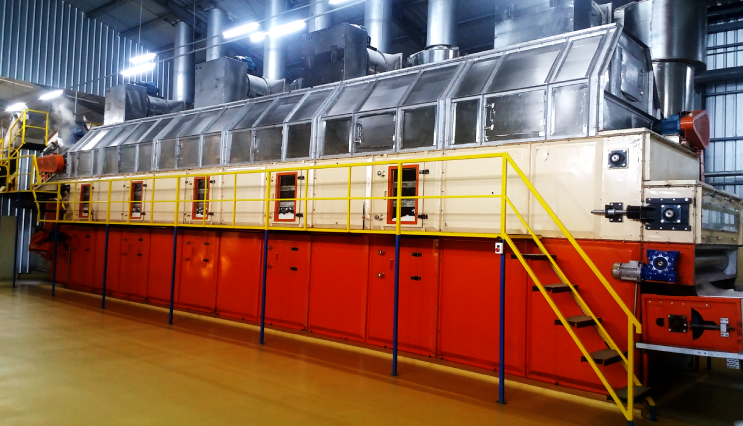
To dry napier grass, GEM recommends the Hybrid Belt + Fluid Bed Dryer (Aerodryve). Typical moisture is 80–88% in the feed and 10–12% after drying. Mesh Belt Dryer and Rotary Dryer are used when the feed or site calls for it. Every project starts with a pilot trial on your own sample.
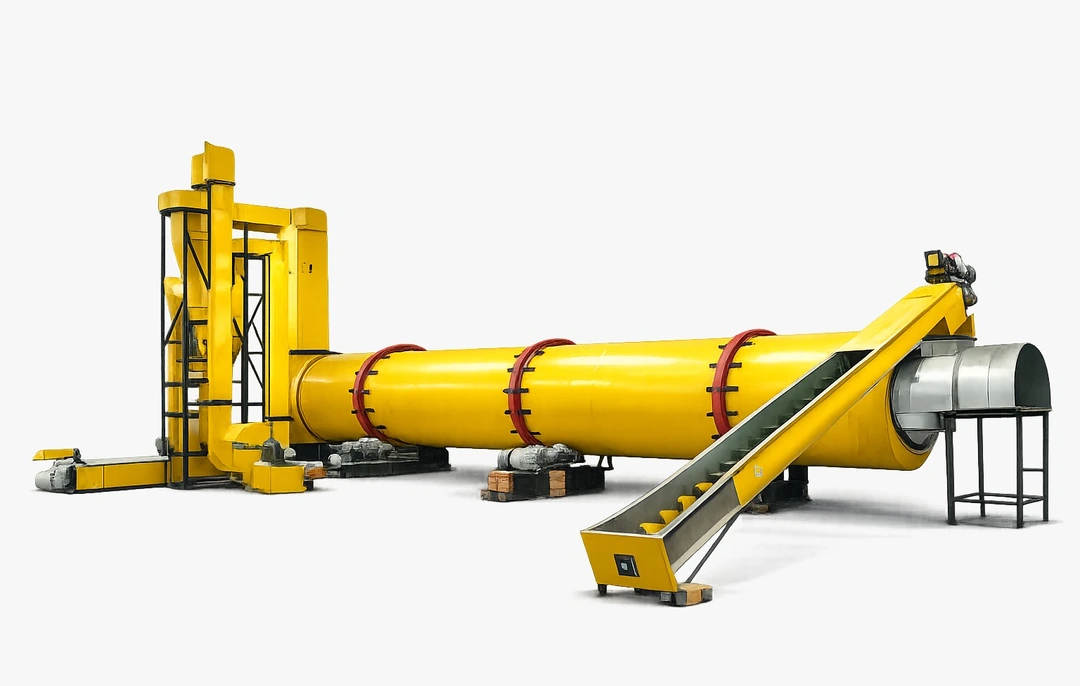
Aerodryve combines belt movement with fluidisation, giving high evaporation for very wet, chopped Napier grass. A mesh belt suits pressed or partly wilted grass with low-grade heat, and a rotary suits fuel-grade product where colour is not important.
| Typical feed moisture | 80–88% |
| Typical target moisture | 10–12% |
| Recommended dryer | Hybrid Belt + Fluid Bed Dryer (Aerodryve) |
| Alternatives | Mesh Belt Dryer, Rotary Dryer |
| Application area | Forage & Green Fodder |
| Industries | Agriculture & Grain Processing, Animal Feed, Breweries & Distilleries, Biomass, Bioenergy & Recycling |
Drying turns a fast-growing crop into storable fodder for dry seasons, or into fuel for boilers. Pellets are cheaper to transport and keep without silage losses.
Plants searching for a Napier grass dryer or comparing a Napier grass drying machine usually need three answers: which dryer fits, what it costs to run, and how fast it pays back. For Napier Grass, we start from your throughput, current moisture (typically 80–88%) and the target (10–12%), trial a sample on the Hybrid Belt + Fluid Bed Dryer, and return a sized recommendation with a budget quotation for your agriculture and animal feed operation.
We trial your material in our pilot facility before any equipment decision, then size the dryer from real data.
Describe it in the form, or message an engineer directly.