Miscanthus and energy grass drying is needed when perennial crops such as miscanthus, switchgrass or giant reed are harvested before they dry in the field. These grasses have tough, hollow stems with a waxy skin, and their moisture depends strongly on whether harvest is in autumn or late winter.
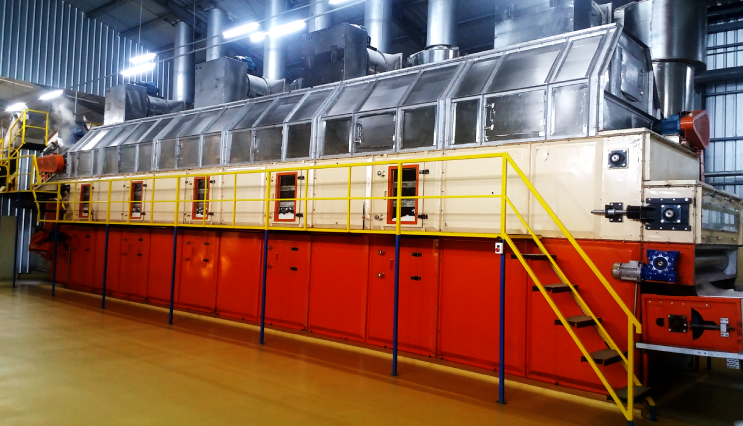
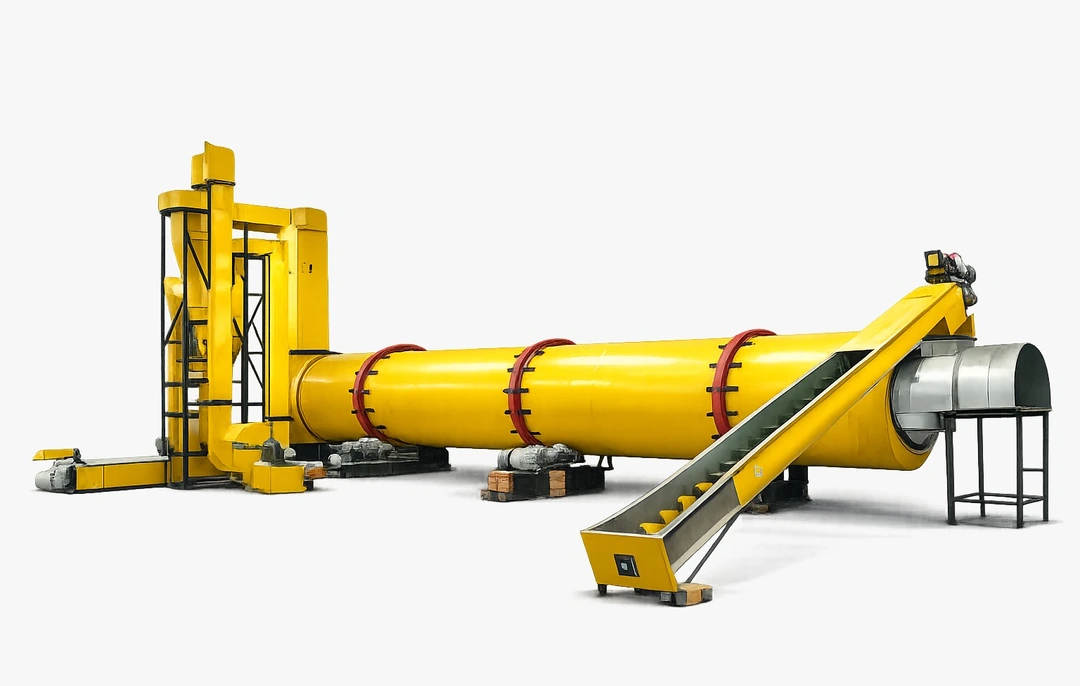
To dry miscanthus & energy grasses, GEM recommends the Mesh Belt Dryer (Meshotherm). Typical moisture is 20–50% in the feed and 10–15% after drying. Hybrid Belt + Fluid Bed Dryer and Rotary Dryer are used when the feed or site calls for it. Every project starts with a pilot trial on your own sample.
Chopped energy grass forms an open bed that dries evenly on a mesh belt at low temperature, often with power plant waste heat. Aerodryve is used for early, wet harvests, and a rotary for blended grass and wood feeds.
| Typical feed moisture | 20–50% |
| Typical target moisture | 10–15% |
| Recommended dryer | Mesh Belt Dryer (Meshotherm) |
| Alternatives | Hybrid Belt + Fluid Bed Dryer, Rotary Dryer |
| Application area | Biomass & Solid Fuel |
| Industries | Biomass, Bioenergy & Recycling |
Drying allows an earlier harvest window, reduces field losses, and lets growers meet pellet and power plant moisture limits without waiting for weather, which makes supply contracts easier to sign and keep.
Plants searching for a miscanthus dryer or comparing a energy grass drying usually need three answers: which dryer fits, what it costs to run, and how fast it pays back. For Miscanthus & Energy Grasses, we start from your throughput, current moisture (typically 20–50%) and the target (10–15%), trial a sample on the Mesh Belt Dryer, and return a sized recommendation with a budget quotation for your biomass operation.
Compare all 10 materials in Agro & Plantation Residues or browse the wider Biomass & Solid Fuel family.
We trial your material in our pilot facility before any equipment decision, then size the dryer from real data.
Describe it in the form, or message an engineer directly.