Benzoic acid drying is complicated by the fact that the crystals begin to sublime well below their 122°C melting point, so product is lost into the exhaust if air is too hot. Producers either flake the purified melt or dry water-wet crystal cake gently to reach preservative, plasticiser and pharma specifications.
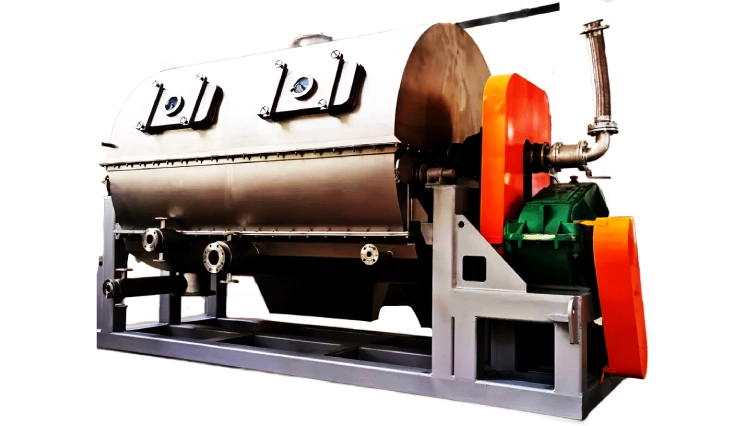
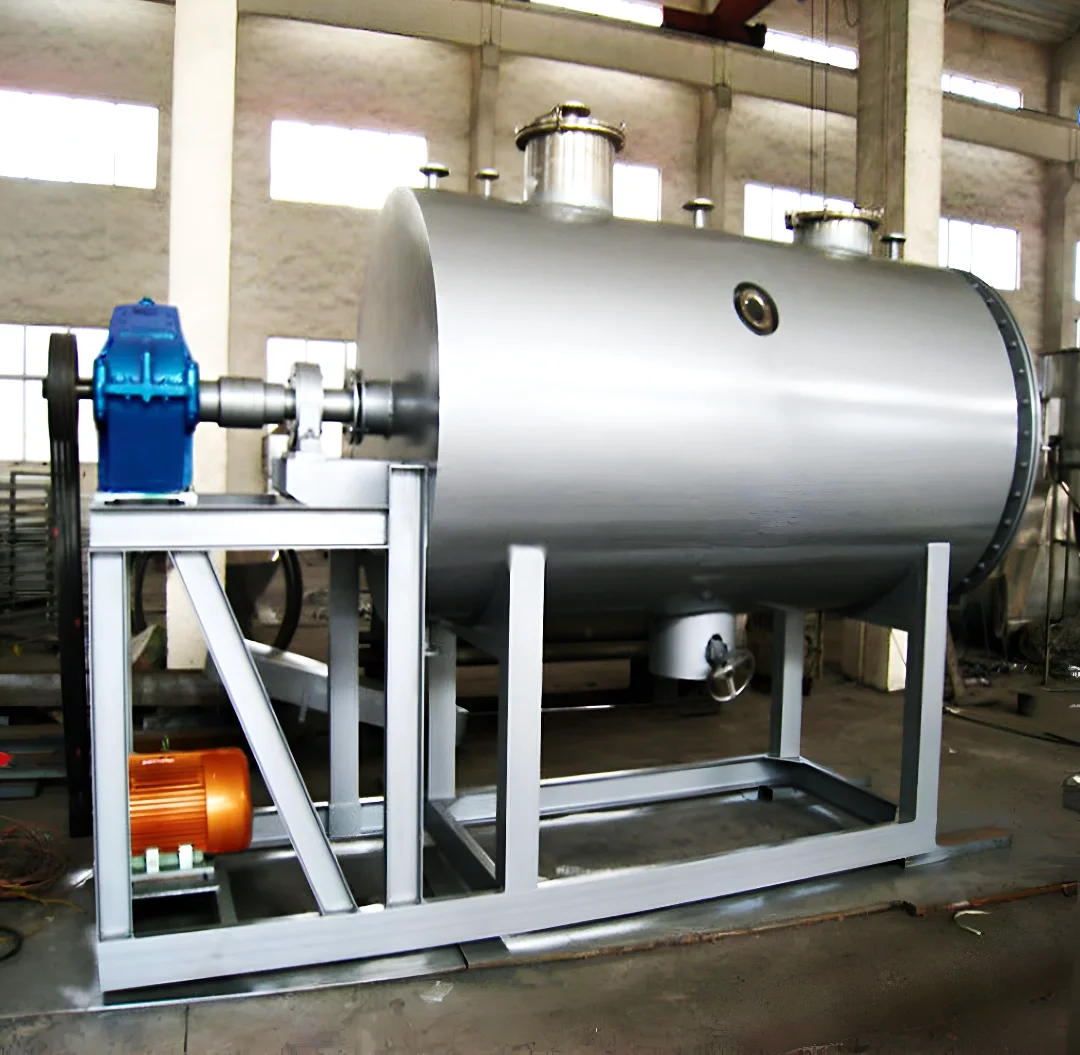
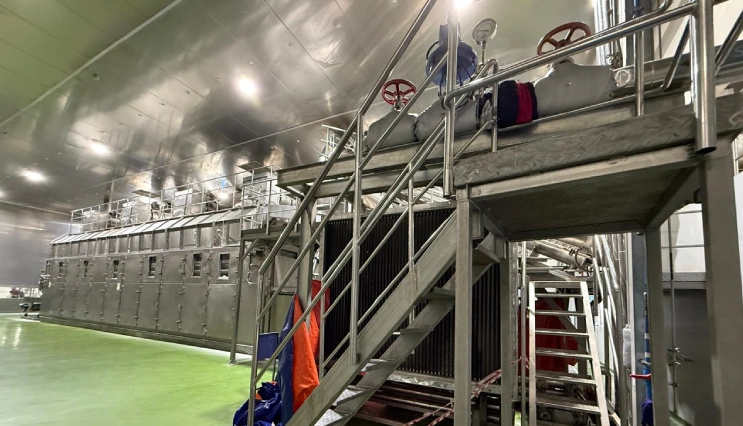
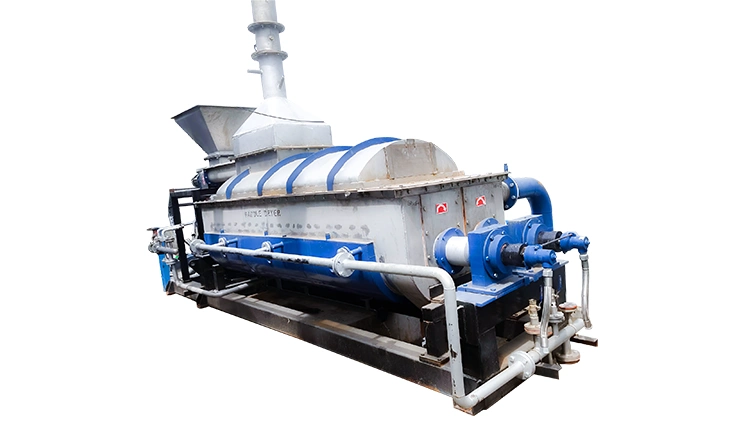
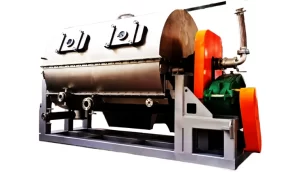
To dry benzoic acid, GEM recommends the Drum Flaker and Rotary Vacuum Dryer. The usual target is ≤0.3% moisture. Combination Fluid Bed Dryer and Paddle Dryer are used when the feed or site calls for it. Every project starts with a pilot trial on your own sample.
A drum flaker turns molten, distilled benzoic acid directly into flakes with no evaporation step. Water-wet crystals are dried under vacuum at low jacket temperature to avoid sublimation and dust ignition; a nitrogen-loop fluid bed suits large continuous crystal lines.
| Typical target moisture | ≤0.3% |
| Recommended dryer | Drum Flaker, Rotary Vacuum Dryer |
| Alternatives | Combination Fluid Bed Dryer, Paddle Dryer |
| Application area | Chemicals & Salts |
| Industries | Chemicals & Specialty Chemicals |
Controlling temperature protects yield that would otherwise sublime away, keeps the flake colour within food and pharma limits, and avoids the cost and downtime of cleaning recrystallised deposits from exhaust ducts and filters.
Plants searching for a benzoic acid dryer or comparing a benzoic acid flaker usually need three answers: which dryer fits, what it costs to run, and how fast it pays back. For Benzoic Acid, we start from your throughput, current moisture and the target (≤0.3%), trial a sample on the Drum Flaker, and return a sized recommendation with a budget quotation for your chemicals operation.
We trial your material in our pilot facility before any equipment decision, then size the dryer from real data.
Describe it in the form, or message an engineer directly.