Fatty Acid Flaking

  • Pilot trial on your own sample
  • 112+ installations in 7 countries
  • Engineer replies in 1 working day

Fatty acid drying is not about water removal: stearic, palmitic and hydrogenated fatty acids leave distillation as melts and are converted into solid flakes on a cooled drum. The aim is consistent flake thickness, low fines and clean colour, since rubber, soap and cosmetic buyers dose flakes by weight.

Quick answer

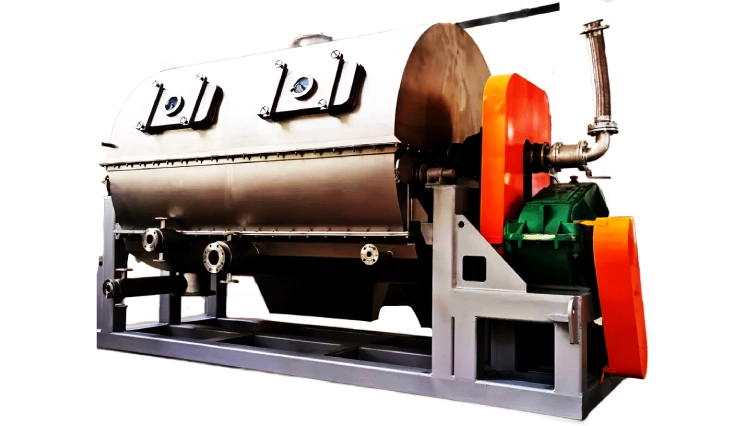
To dry fatty acids, GEM recommends the Drum Flaker. Industrial Cooler is used when the feed or site calls for it. Every project starts with a pilot trial on your own sample.

1998established112+installations7countriesDried & Testedin-house pilot trialsCertifications · Case studies
The challenge

What makes Fatty Acids hard to dry

  • Fatty acid melts must be fed at steady temperature or flakes become soft and waxy.
  • Flakes packed while still warm block together under the weight of stacked bags in hot warehouses.
  • Colour and odour degrade if melt is held too long at high temperature before flaking.
  • Low-titre and unsaturated grades are softer and need colder drum surfaces and longer contact to solidify properly.
How GEM dries it

The right dryer for Fatty Acids

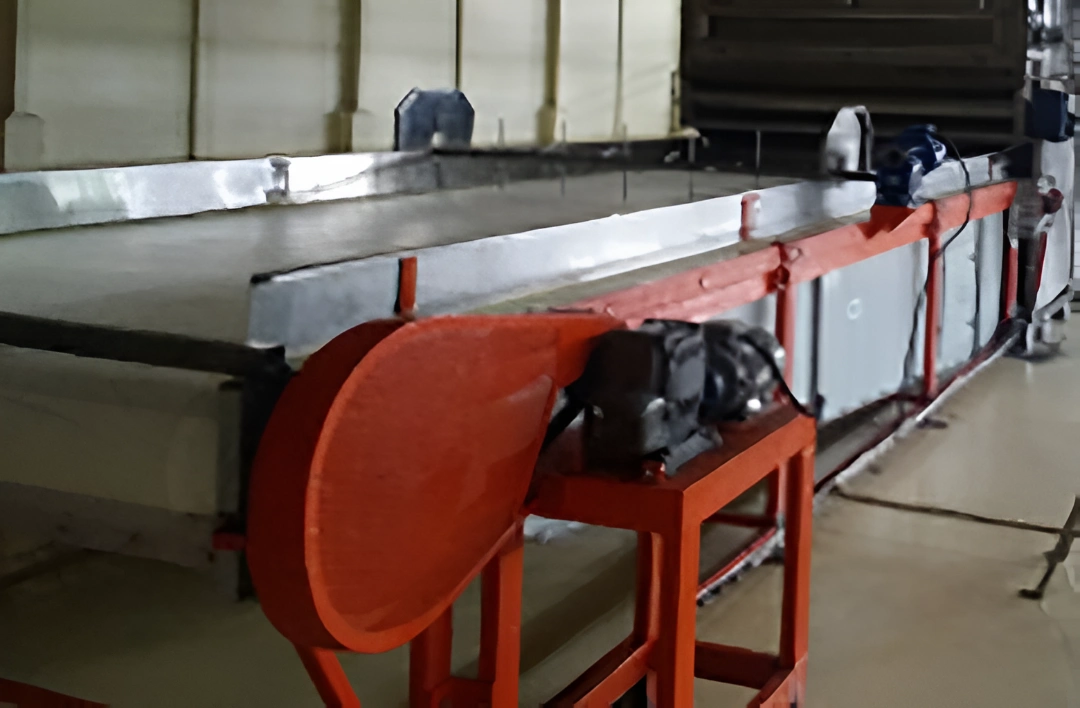
A drum flaker solidifies a thin film of molten fatty acid in one pass and scrapes it into flakes of controlled thickness. An industrial cooler follows where flakes leave the drum warm and must harden fully before bagging.

Recommended dryerDrum Flaker
AlternativesIndustrial Cooler
Application areaChemicals & Salts
IndustriesChemicals & Specialty Chemicals
The value

What drying Fatty Acids unlocks

Uniform, fully solid flakes pour and dose easily, reduce bag blocking claims, and let oleochemical plants ship solid product instead of heated liquid tankers. Flaking also removes heated storage.

Dried Fatty Acids becomes

  • Rubber compounding activator
  • Soap and candle manufacture
  • Cosmetic and personal care bases
  • PVC lubricant and metal soap feed
For buyers

Buying a Fatty Acids dryer?

Plants searching for a fatty acid flaker or comparing a stearic acid flaking machine usually need three answers: which dryer fits, what it costs to run, and how fast it pays back. For Fatty Acids, we start from your throughput, current moisture and the target, trial a sample on the Drum Flaker, and return a sized recommendation with a budget quotation for your chemicals operation.

FAQ

Fatty Acids: questions buyers ask

Can one flaker run stearic acid and lower titre grades?
Yes, with adjustments to drum temperature and speed. Softer grades need more cooling and sometimes post-cooling. Grade changes usually need only a short adjustment period between runs.
Can flakes be made thinner?
Flake thickness is adjusted through feed level, drum speed and coolant temperature during commissioning. Thinner flakes melt and disperse faster in rubber and soap mixers, while thicker flakes create less fines.

Send us a sample. See it dried.

We trial your material in our pilot facility before any equipment decision, then size the dryer from real data.

  1. Tell us the material, moisture and throughput.
  2. An engineer confirms the trial plan and sample shipping.
  3. You get drying data and a sized recommendation with a budget quotation.

Material not listed? Talk to our technical expert.

Describe it in the form, or directly →

Request a trial or quotation

    An engineer replies within one working day. We never share your details.

    Chat with GEM Drytech on WhatsApp