Industry

Drying Solutions for Nutraceuticals & Herbal Products

20 materials, each sized from a pilot trial. Typical feeds lose 50–85% of their weight as water.

  • Pilot trial on your own sample
  • 112+ installations in 7 countries
  • Engineer replies in 1 working day

Nutraceutical and herbal processors dry roots such as turmeric, ginger and ashwagandha, leaves like moringa and stevia, flowers, mint, spirulina, extracts, pastes and protein powders. Colour, aroma and active content decide the price buyers pay, and they are easily lost to excessive heat or uneven drying. GEM uses low-temperature belt and conveyor dryers for whole plant material and vacuum, drum or thin film equipment for extracts and pastes.

Quick answer

For nutraceuticals & herbal, GEM dries 20 materials across 5 application areas. The dryers specified most often are the Band Dryer (Beltotherm), Single-Pass Conveyor Dryer and Single / Double Drum Dryer, chosen per material after a pilot trial.

1998established112+installations7countriesDried & Testedin-house pilot trialsCertifications · Case studies
The pressure

Why nutraceuticals & herbal plants invest in drying

  • Sun and tray drying give uneven moisture, mould risk and contamination that fail export buyers' quality checks.
  • Volatile oils, colour and active compounds degrade when herbs are dried too hot or held in the dryer too long.
  • Seasonal harvests arrive in large volumes over a few weeks, overwhelming batch dryers and causing spoilage before processing.
  • Thick herbal extracts and pastes are difficult to turn into free-flowing powder without scorching or losing potency.
Equipment

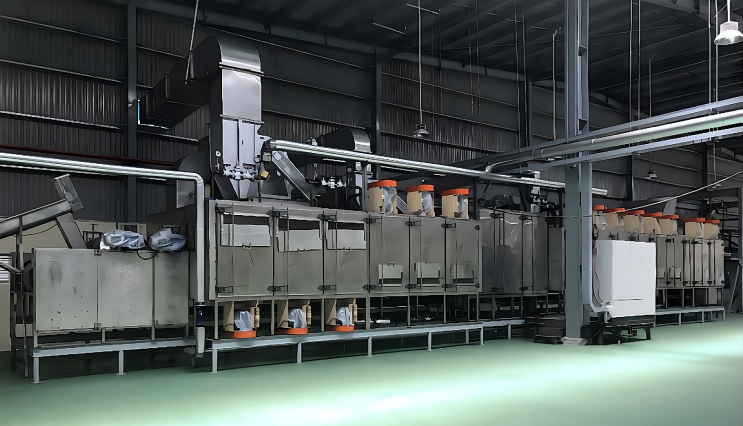
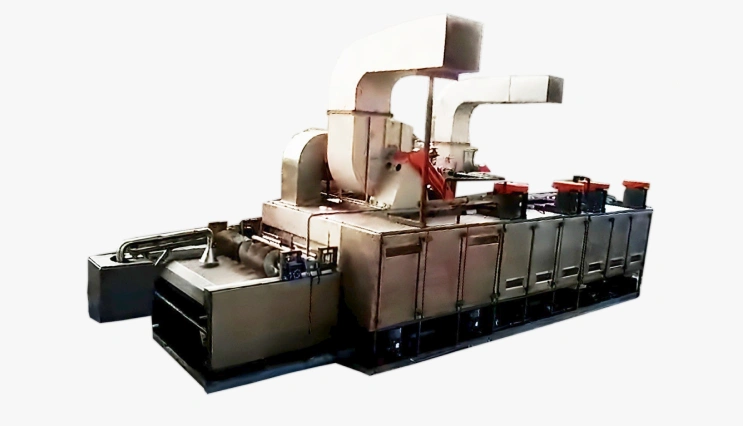
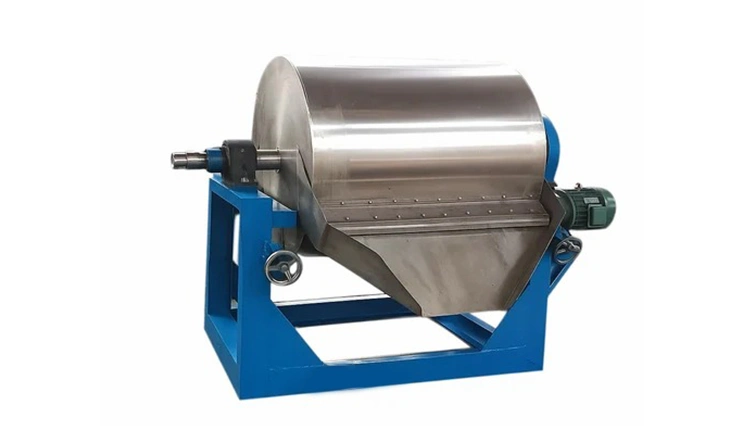
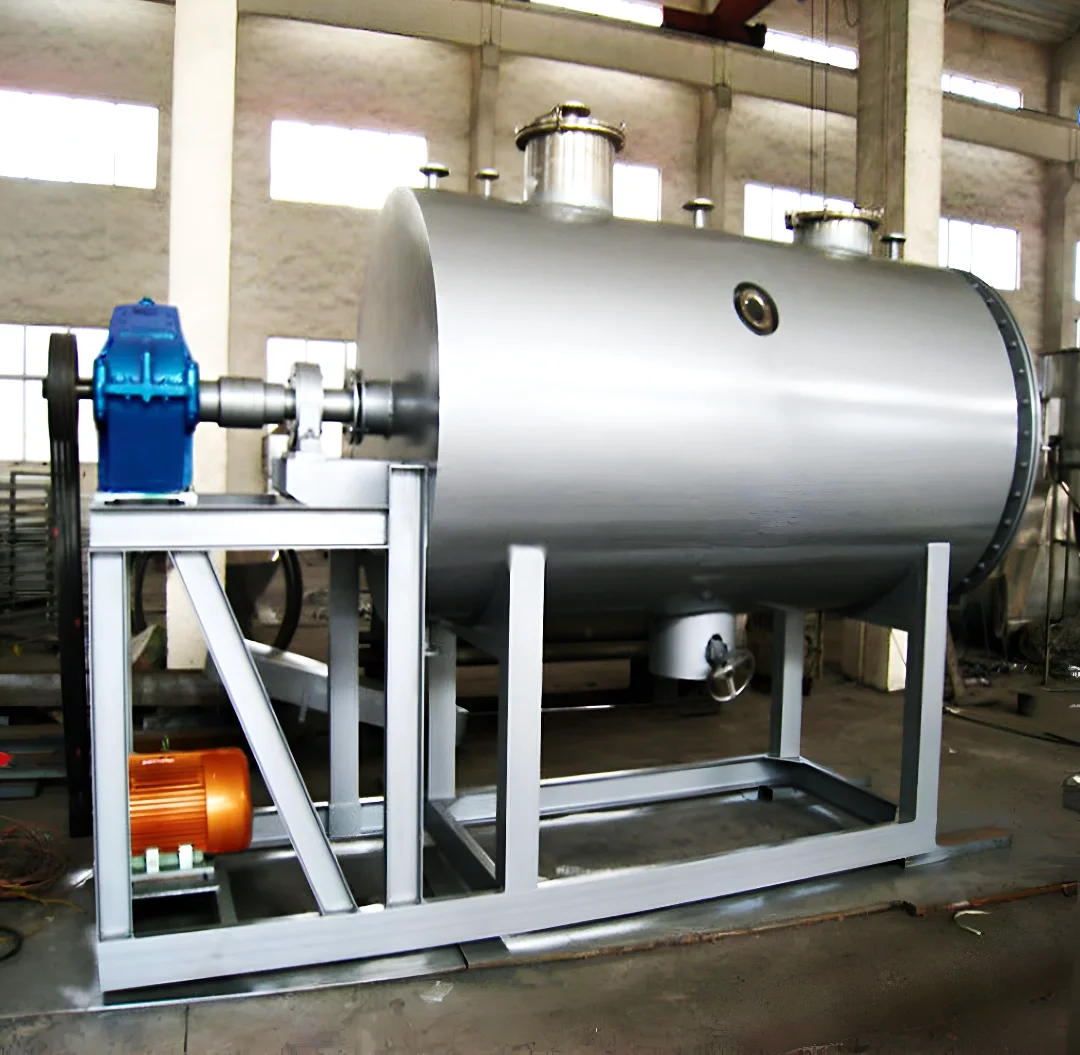
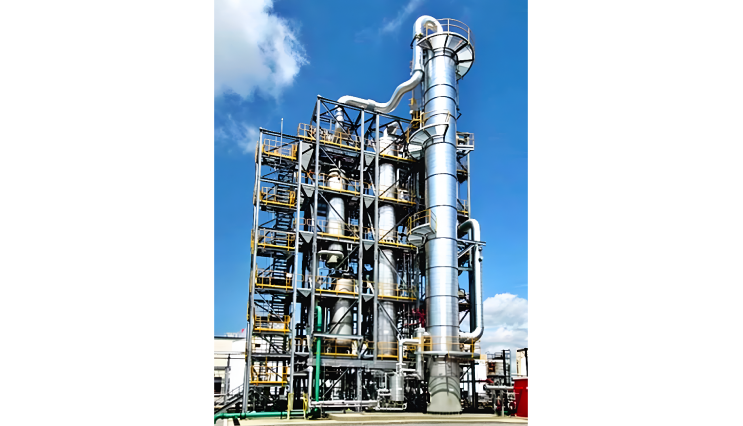
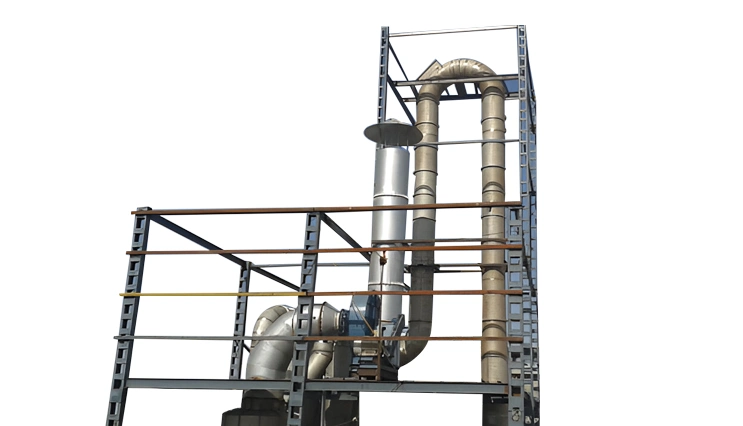
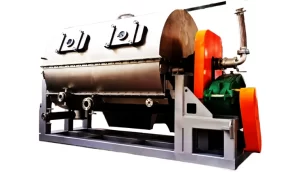
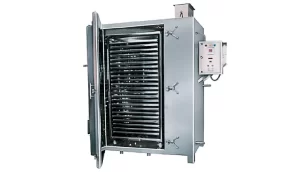
Dryers behind these applications

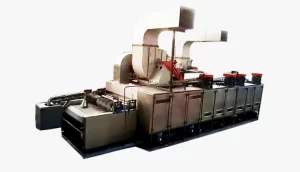
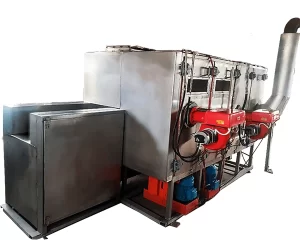
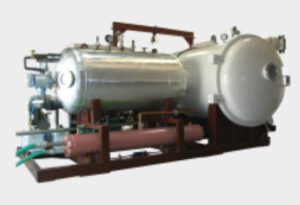
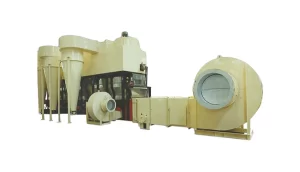
Each material page names the recommended dryer and the alternatives. The machines below are the ones specified most often across the 20 materials for this industry.

Why GEM

How we work with nutraceuticals & herbal plants

Gentle multi-zone belt drying

Beltotherm and conveyor dryers let temperature and airflow be set zone by zone, so leaves and flowers dry evenly without the hot spots that strip colour and aroma.

Harvest-season capacity

Continuous belt drying keeps pace with seasonal intake, reducing how long fresh material waits and the spoilage that comes with waiting.

Extract to powder

For liquid extracts and pastes, vacuum, drum and thin film dryers produce powder at controlled temperatures, with freeze drying available for the most sensitive products.

FAQ

Nutraceuticals & Herbal: questions buyers ask

What temperature should herbs be dried at?
Many leafy herbs and flowers are dried at moderate air temperatures to protect essential oils and colour, while roots such as turmeric tolerate more heat. The right profile depends on the plant and its active compounds, which a pilot trial helps establish.
Belt dryer or tray dryer for moringa leaves?
Tray dryers suit small batches, but a conveyor belt dryer gives continuous throughput with more uniform air distribution and less handling. For commercial volumes of moringa or stevia, continuous drying usually gives more consistent colour and moisture.
Can herbal extracts be dried without spray drying?
Yes. Depending on viscosity and heat sensitivity, extracts can be dried in rotary vacuum, drum or agitated thin film dryers. Freeze drying is an option where retaining active compounds matters more than drying cost.

Send us a sample. See it dried.

We trial your material in our pilot facility before any equipment decision, then size the dryer from real data.

  1. Tell us the material, moisture and throughput.
  2. An engineer confirms the trial plan and sample shipping.
  3. You get drying data and a sized recommendation with a budget quotation.

Material not listed? Talk to our technical expert.

Describe it in the form, or directly →

Request a trial or quotation

    An engineer replies within one working day. We never share your details.

    Chat with GEM Drytech on WhatsApp