Calcium citrate drying handles a fine white precipitate filtered from citric acid and lime or calcium carbonate reaction. Supplement and food fortification makers need the tetrahydrate form, a controlled loss on drying and a soft, fine powder that compresses into tablets and disperses in fortified beverages.
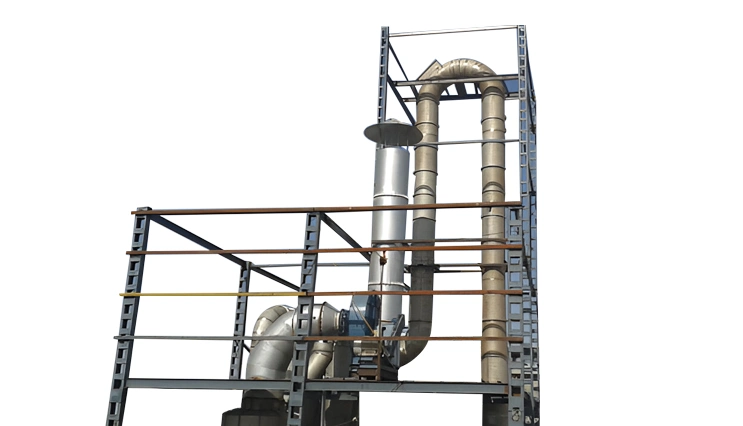
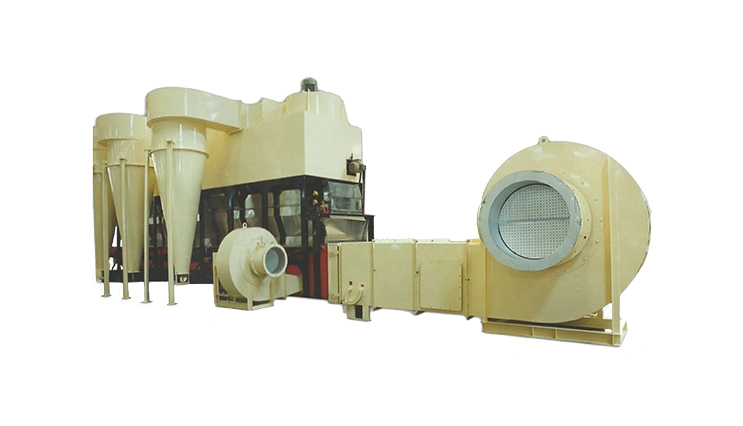
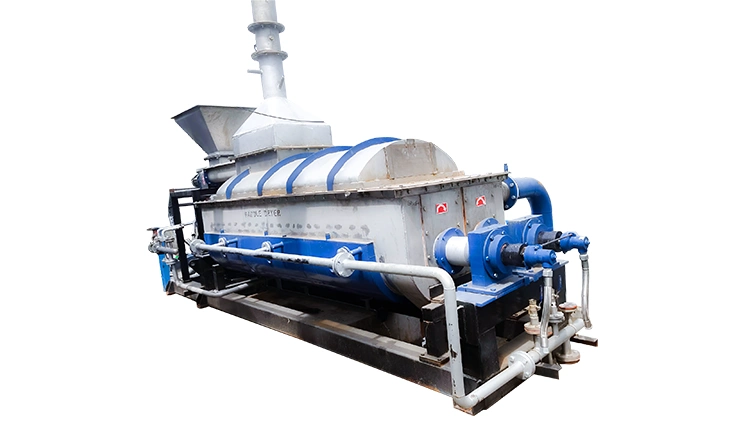
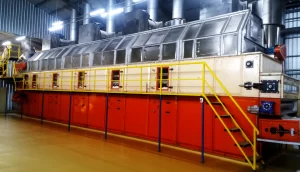
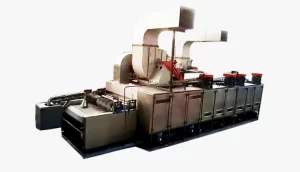
To dry calcium citrate, GEM recommends the Flash Dryer. Vibratory Fluid Bed Dryer and Paddle Dryer are used when the feed or site calls for it. Every project starts with a pilot trial on your own sample.
A flash dryer with a disintegrating feed breaks up the cohesive cake and dries particles in seconds at a low product temperature. A fluid bed suits granulated grades; a paddle dryer is chosen where the cake is very sticky or batch traceability matters.
| Recommended dryer | Flash Dryer |
| Alternatives | Vibratory Fluid Bed Dryer, Paddle Dryer |
| Application area | Chemicals & Salts |
| Industries | Chemicals & Specialty Chemicals, Nutraceuticals & Herbal |
Consistent hydrate and particle size meet supplement and pharma specifications that carry a clear price premium over technical calcium salts, and low-dust drying recovers product that would otherwise be lost to the stack.
Plants searching for a calcium citrate dryer or comparing a calcium citrate drying equipment usually need three answers: which dryer fits, what it costs to run, and how fast it pays back. For Calcium Citrate, we start from your throughput, current moisture and the target, trial a sample on the Flash Dryer, and return a sized recommendation with a budget quotation for your chemicals and nutraceuticals operation.
We trial your material in our pilot facility before any equipment decision, then size the dryer from real data.
Describe it in the form, or Message an Engineer directly →