Excipients

Excipient Drying

Excipient drying produces the bulk of what goes into a tablet: starches, celluloses, lactose, mannitol and phosphates. Each must meet pharmacopoeia limits for moisture, microbial load and particle properties, and consistent flow and compressibility from lot to lot are what formulators buy.

Quick answer

To dry excipients, GEM recommends the Flash Dryer and Combination Fluid Bed Dryer. Vibratory Fluid Bed Dryer and Single / Double Drum Dryer are used when the feed or site calls for it. Every project starts with a pilot trial on your own sample.

1998established112+installations7countriesDried & Testedin-house pilot trialsCertifications · Case studies
The challenge

What makes Excipients hard to dry

  • Flow and compressibility depend on particle size and shape, which drying can change.
  • Pharmacopoeia microbial limits call for hygienic dryer design, filtered process air and surfaces that can be cleaned and inspected.
  • Native starch gelatinises if it is heated too far while still wet, which changes swelling and binding functionality.
  • Fine organic powders such as starch and cellulose create dust explosion risks in dryers, cyclones and bag filters.
How GEM dries it

The right dryer for Excipients

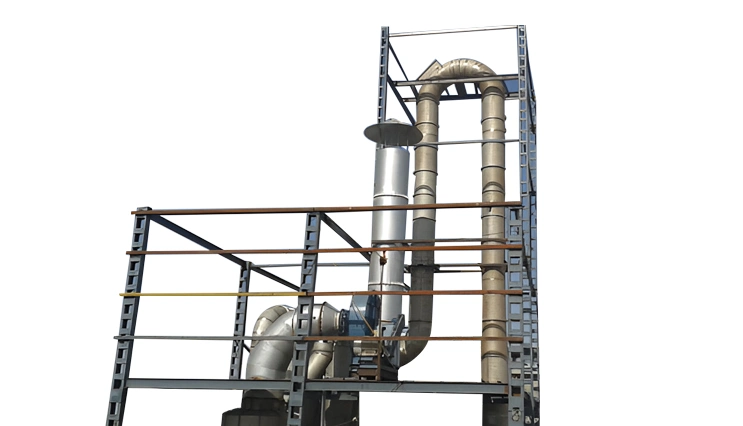
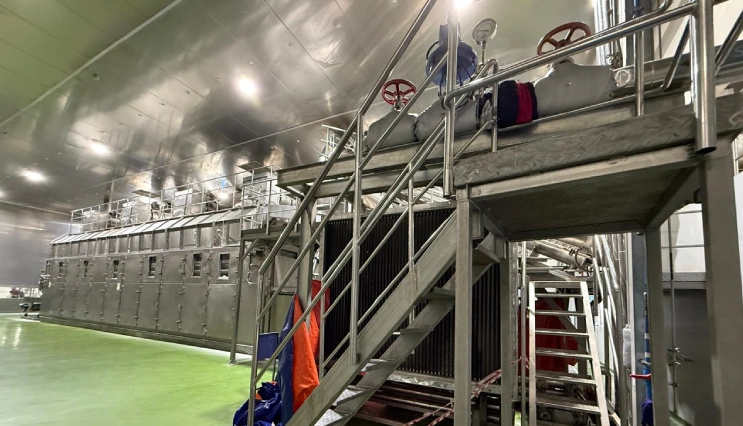
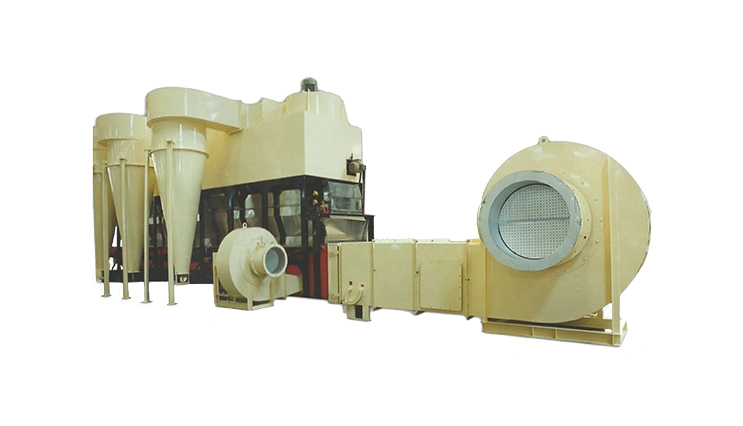
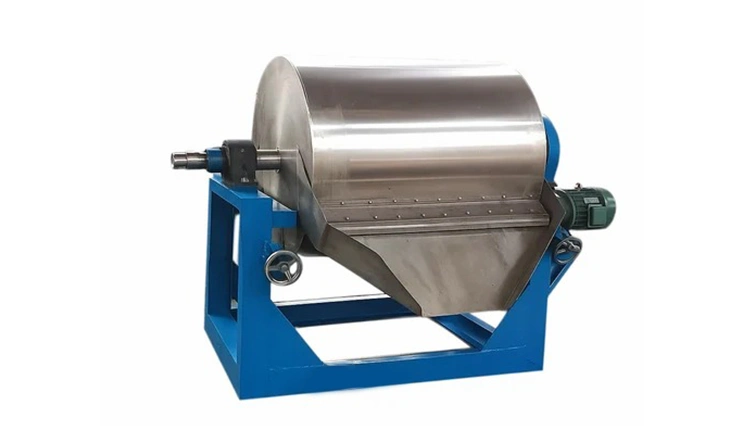
A flash dryer dries wet starch and cellulose cake quickly at large output while keeping product temperature low. Fluid bed dryers suit granular excipients. Drum dryers produce pregelatinised starch, and vibratory fluid beds suit continuous finishing.

Recommended dryerFlash Dryer, Combination Fluid Bed Dryer
AlternativesVibratory Fluid Bed Dryer, Single / Double Drum Dryer
Application areaPharma & Fine Actives
IndustriesPharmaceuticals & Biotech, Food & Beverage
The value

What drying Excipients unlocks

Excipients made to pharmacopoeia grade sell at higher prices than food or industrial grades. Reliable drying gives consistent flow and compressibility, which keeps formulators approved on your material and supports repeat orders.

Dried Excipients becomes

  • Tablet fillers and binders
  • Disintegrants
  • Capsule diluents
  • Food and nutraceutical ingredients
For buyers

Buying a Excipients dryer?

Plants searching for a excipient dryer or comparing a pharma starch dryer usually need three answers: which dryer fits, what it costs to run, and how fast it pays back. For Excipients, we start from your throughput, current moisture and the target, trial a sample on the Flash Dryer, and return a sized recommendation with a budget quotation for your pharmaceuticals and food operation.

FAQ

Excipients: questions buyers ask

Which dryer produces pregelatinised starch?
Drum dryers are commonly used. A starch slurry is cooked and dried in a thin film on steam-heated drums, and the resulting flakes are milled and sieved to a cold-water-swelling powder.
Can a flash dryer meet pharma hygiene requirements?
Yes, with stainless contact parts, filtered inlet air, cleanable design and documented procedures for cleaning and changeover. Specific requirements are set with you according to your quality system and the pharmacopoeia grade.
Related

Related materials

Compare all 7 materials in Pharma & Fine Actives.

Send us a sample. See it dried.

We trial your material in our pilot facility before any equipment decision, then size the dryer from real data.

  1. Tell us the material, moisture and throughput.
  2. An engineer confirms the trial plan and sample shipping.
  3. You get drying data and a sized recommendation with a budget quotation.

Material not listed? Talk to our technical expert.

Describe it in the form, or message an engineer directly.

Request a trial or quotation

    An engineer replies within one working day. We never share your details.

    whatsapp