Wet granule drying follows high-shear or fluid-bed granulation in tablet manufacturing. The granules must be dried to a precise loss on drying so they compress well, and drying conditions affect granule strength, fines and content uniformity. Batch-to-batch consistency is critical for GMP documentation.
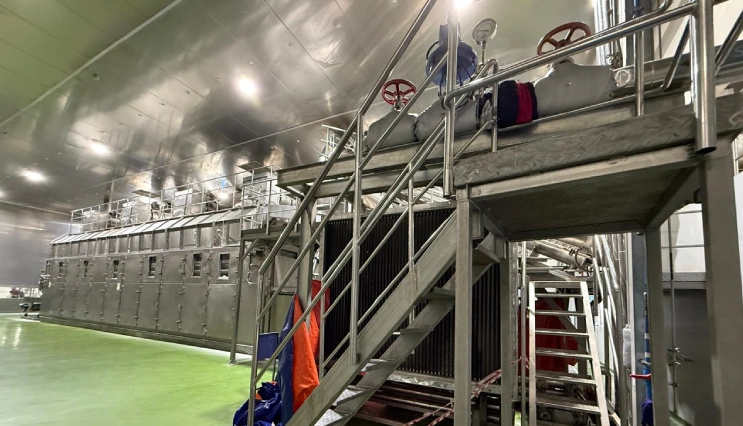
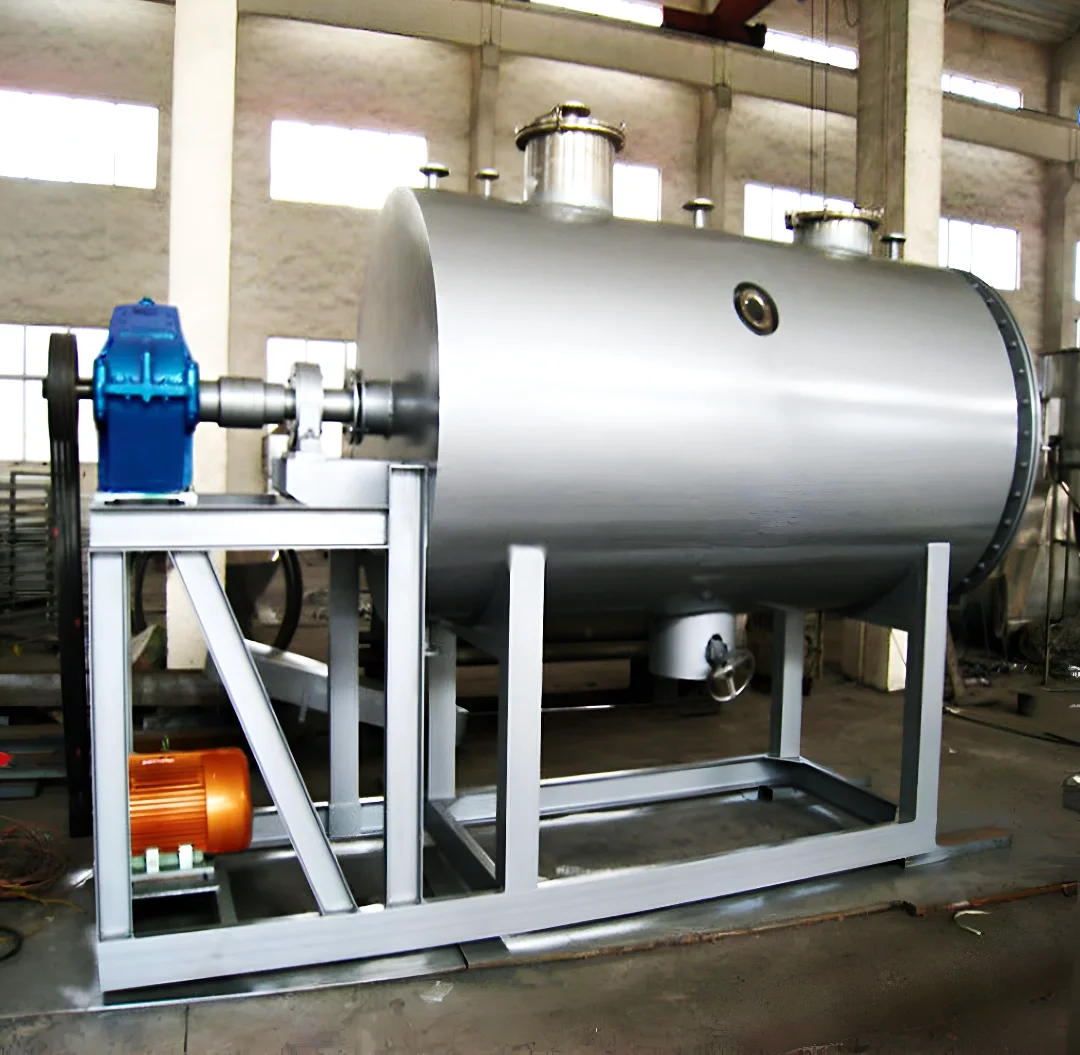
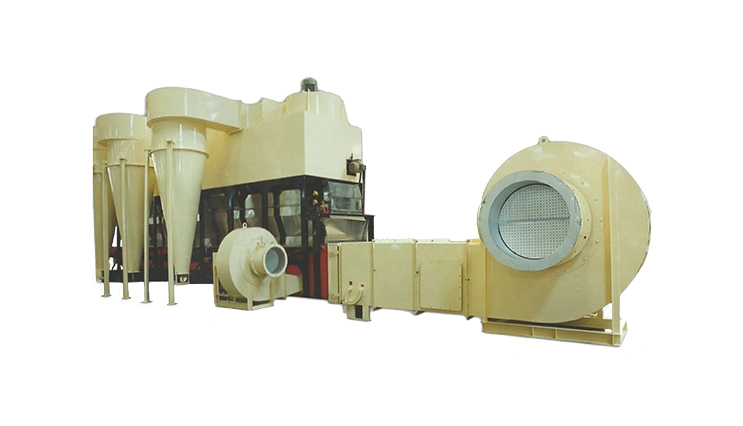
To dry wet granules, GEM recommends the Combination Fluid Bed Dryer. Typical moisture is 10–25% in the feed and 1–3% after drying. Rotary Vacuum Dryer and Vibratory Fluid Bed Dryer are used when the feed or site calls for it. Every project starts with a pilot trial on your own sample.
A fluid bed dryer dries wet granules evenly and quickly with controlled inlet temperature and airflow, and endpoints can be set by product temperature. Rotary vacuum dryers are used for solvent-based or heat-sensitive granules, and vibratory fluid beds for continuous lines.
| Typical feed moisture | 10–25% |
| Typical target moisture | 1–3% |
| Recommended dryer | Combination Fluid Bed Dryer |
| Alternatives | Rotary Vacuum Dryer, Vibratory Fluid Bed Dryer |
| Application area | Pharma & Fine Actives |
| Industries | Pharmaceuticals & Biotech |
Consistent loss on drying gives reliable tablet hardness, weight and dissolution, which reduces rejected batches and investigations. Faster, repeatable drying cycles also increase output from existing granulation suites without new buildings.
Plants searching for a wet granule dryer or comparing a pharma fluid bed dryer usually need three answers: which dryer fits, what it costs to run, and how fast it pays back. For Wet Granules, we start from your throughput, current moisture (typically 10–25%) and the target (1–3%), trial a sample on the Combination Fluid Bed Dryer, and return a sized recommendation with a budget quotation for your pharmaceuticals operation.
We trial your material in our pilot facility before any equipment decision, then size the dryer from real data.
Describe it in the form, or message an engineer directly.