Fertilizers & Agrochemicals

Industry

Drying Solutions for Fertilizers & Agrochemicals

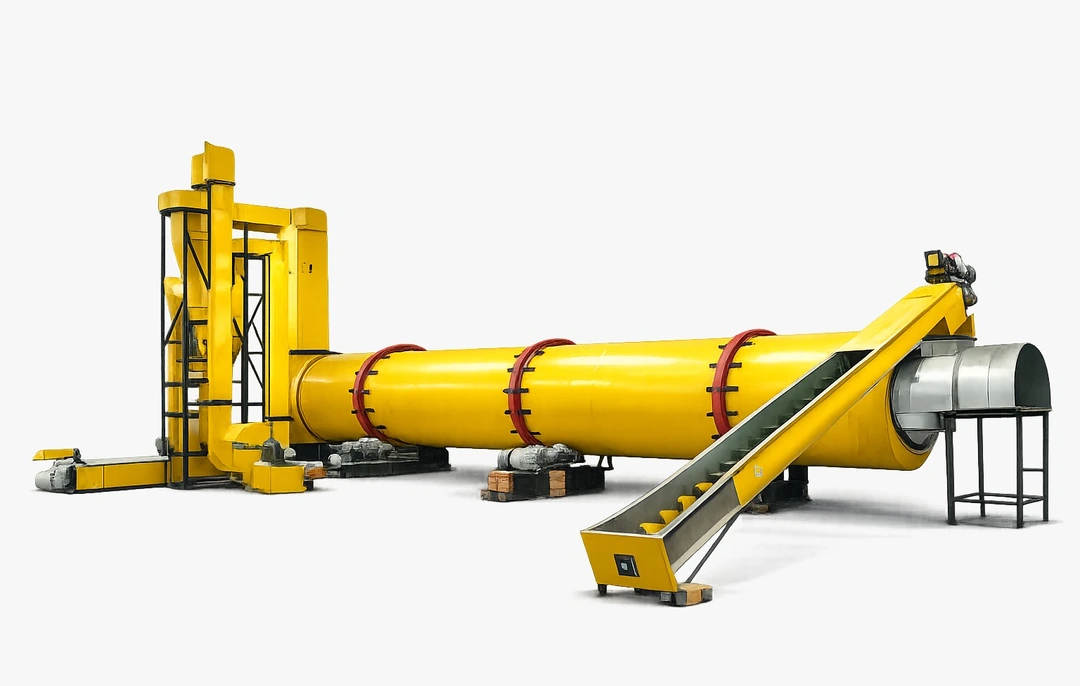
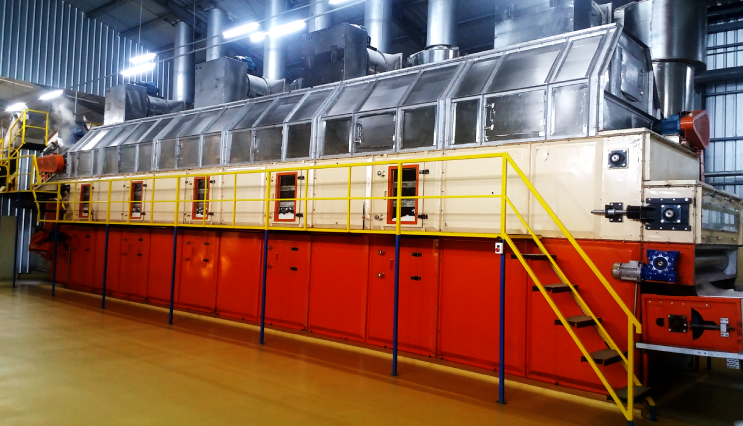
Fertilizer producers dry granulated NPK and complex fertilizers, phosphates, ammonium sulphate, phosphogypsum and organic products made from manure and compost, while agrochemical units dry insecticide and pesticide formulations. Correct final moisture prevents caking, preserves granule strength and keeps bags free-flowing through the season. GEM supplies rotary, louvre and fluid bed dryers with matching coolers for continuous granulation lines.

Quick answer

For fertilizers & agrochemicals, GEM dries 12 materials across 2 application areas. The dryers specified most often are the Rotary Dryer, Vibratory Fluid Bed Dryer and Mesh Belt Dryer (Meshotherm), chosen per material after a pilot trial.

1998established112+installations7countriesDried & Testedin-house pilot trialsCertifications · Case studies
The pressure

Why fertilizers & agrochemicals plants invest in drying

  • Granules leaving the dryer too warm or too moist cake in bags and bulk storage, triggering returns during peak season.
  • Fines and broken granules from harsh drying raise the recycle load and reduce granulation plant throughput.
  • Organic fertilizer from manure or compost arrives wet and variable, and odour from drying it concerns nearby communities.
  • Older rotary dryers waste fuel through poor heat transfer and air leakage, pushing up the cost per tonne of fertilizer.
Applications

What we dry for Fertilizers & Agrochemicals

Our fertilizer and agrochemical materials range from granulated mineral products to organic fertilizers and pesticide formulations, listed below.

Equipment

Dryers behind these applications

Each material page names the recommended dryer and the alternatives. The machines below are the ones specified most often across the 12 materials for this industry.

Why GEM

How we work with fertilizers & agrochemicals plants

Drying and cooling together

Fertilizer granules need both correct moisture and a safe storage temperature. We supply dryers and coolers as a matched pair so the line discharges product ready for bagging.

Gentle handling of granules

Rotary louvre and fluid bed designs move granules with less tumbling impact than conventional flighted drums, helping protect granule strength and limit fines.

Organic fertilizer experience

Manure, poultry litter and compost can be dried on belt or rotary systems with enclosed housings and exhaust treatment, producing a stable organic fertilizer ready for pelleting.

FAQ

Fertilizers & Agrochemicals: questions buyers ask

Why do fertilizer granules cake after drying?
Caking usually comes from residual moisture, granules bagged while still warm, or temperature cycling in storage. Drying to a controlled moisture and cooling before bagging reduces the risk. Hygroscopic grades may also need conditioning agents.
Rotary or fluid bed dryer for NPK granules?
Rotary dryers handle high throughputs and variable granule sizes robustly, while fluid bed dryers give closer temperature control for heat-sensitive grades. Capacity, granule size range and nitrogen content all influence the choice.
Can poultry litter be dried into organic fertilizer?
Yes. Dried poultry litter and manure can be pelleted and sold as organic fertilizer where regulations allow. Drying reduces weight and odour and stabilises the product. Ammonia released during drying needs a closed system with exhaust treatment.

Send us a sample. See it dried.

We trial your material in our pilot facility before any equipment decision, then size the dryer from real data.

  1. Tell us the material, moisture and throughput.
  2. An engineer confirms the trial plan and sample shipping.
  3. You get drying data and a sized recommendation with a budget quotation.

Material not listed? Talk to our technical expert.

Describe it in the form, or message an engineer directly.

Request a trial or quotation

    An engineer replies within one working day. We never share your details.

    No related products found for this application.

    whatsapp