Magnesium sulphate drying differs by grade: Epsom salt heptahydrate must keep its seven molecules of water, so it is dried gently, while monohydrate fertilizer grades are dried hotter to remove bound water. Choosing the wrong temperature turns clear crystals chalky or leaves the monohydrate under-dried.
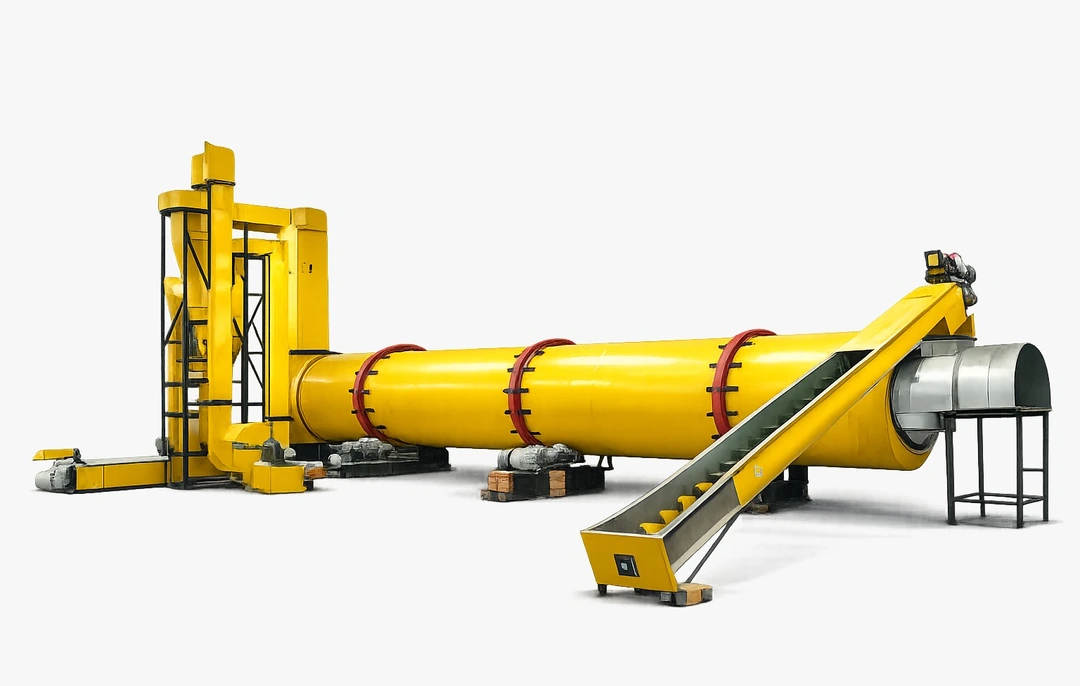
To dry magnesium sulphate, GEM recommends the Vibratory Fluid Bed Dryer. Typical moisture is 2–5% in the feed and ≤0.5% after drying. Rotary Louvre Dryer and Rotary Dryer are used when the feed or site calls for it. Every project starts with a pilot trial on your own sample.
A vibratory fluid bed dries heptahydrate surface moisture at low product temperature and cools it before packing. Louvre or direct rotary dryers suit monohydrate and kieserite-type fertilizer grades that need hotter, longer drying to remove crystal water.
| Typical feed moisture | 2–5% |
| Typical target moisture | ≤0.5% |
| Recommended dryer | Vibratory Fluid Bed Dryer |
| Alternatives | Rotary Louvre Dryer, Rotary Dryer |
| Application area | Chemicals & Salts |
| Industries | Chemicals & Specialty Chemicals, Fertilizers & Agrochemicals |
Keeping crystal form intact protects the appearance premium of Epsom and pharma grades, while correctly dried fertilizer grades flow through blending plants without caking complaints.
Plants searching for a magnesium sulphate dryer or comparing a Epsom salt drying plant usually need three answers: which dryer fits, what it costs to run, and how fast it pays back. For Magnesium Sulphate, we start from your throughput, current moisture (typically 2–5%) and the target (≤0.5%), trial a sample on the Vibratory Fluid Bed Dryer, and return a sized recommendation with a budget quotation for your chemicals and fertilizers operation.
We trial your material in our pilot facility before any equipment decision, then size the dryer from real data.
Describe it in the form, or message an engineer directly.