Pharmaceuticals & Biotech

Industry

Drying Solutions for Pharmaceuticals & Biotech

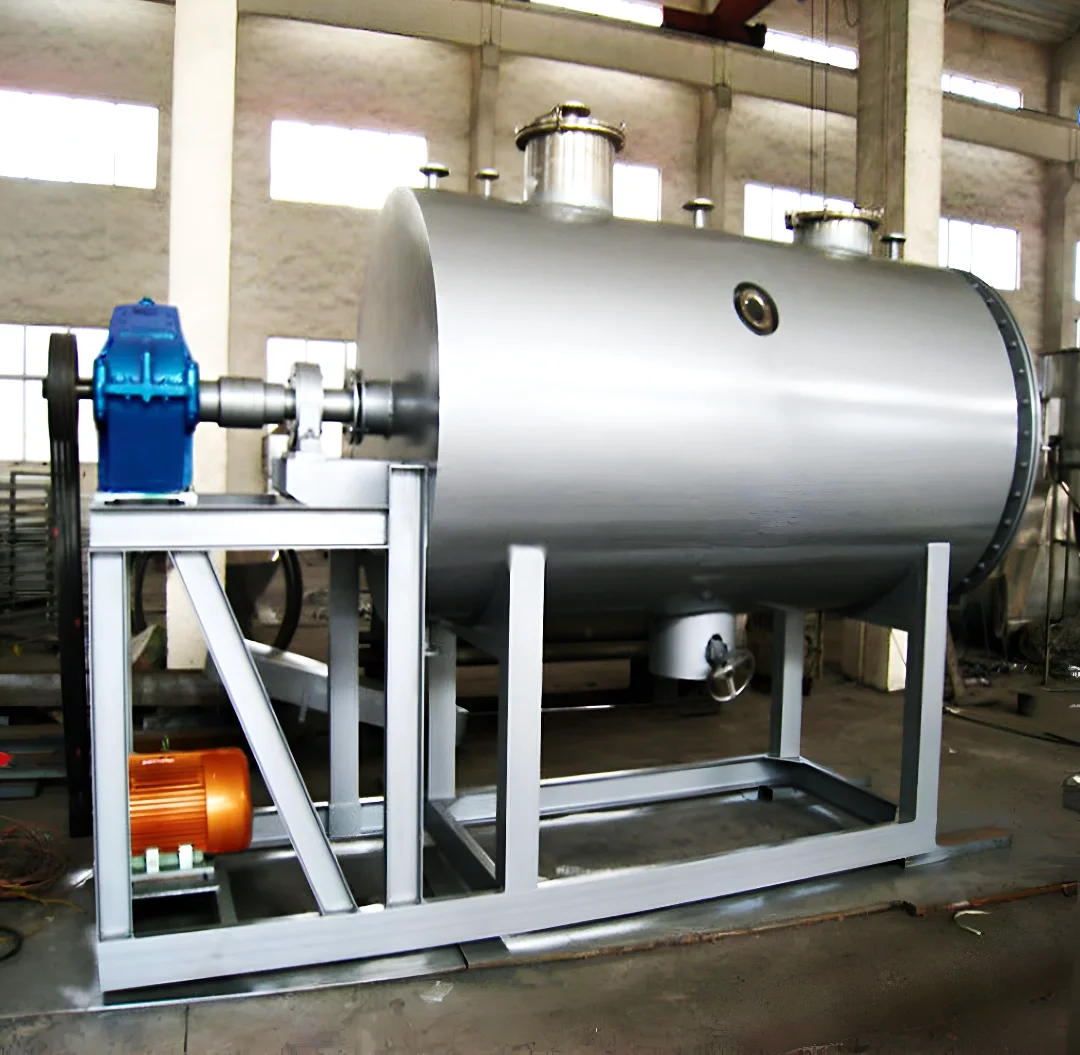
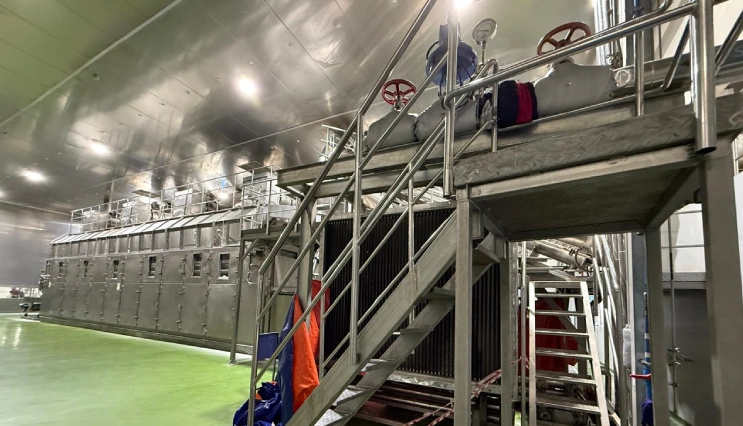
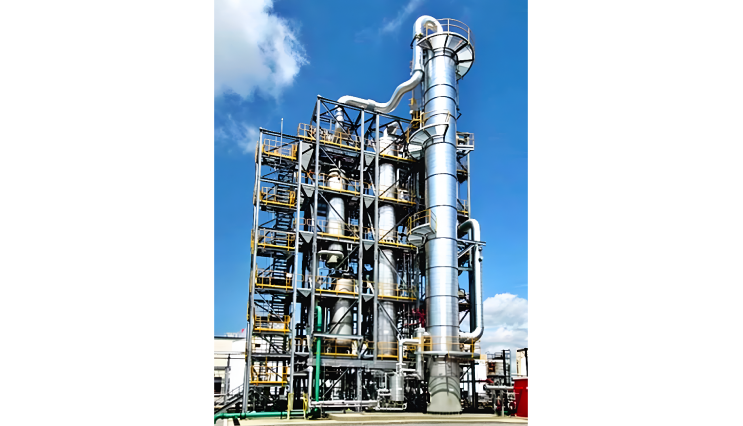
Pharmaceutical and biotech manufacturers dry APIs, intermediates, wet granules, excipients, herbal extracts, probiotics, and enzymes, along with solvent recovery residues and ETP sludge. Potency, crystal form, residual solvent and microbial viability all depend on the drying step. GEM offers rotary vacuum, freeze, fluid bed, sealed paddle and thin film dryers, with GMP-style hygienic construction in SS316 available for product-contact parts.

Quick answer

For pharmaceuticals & biotech, GEM dries 15 materials across 6 application areas. The dryers specified most often are the Rotary Vacuum Dryer, Combination Fluid Bed Dryer and Agitated Thin Film Dryer, chosen per material after a pilot trial.

1998established112+installations7countriesDried & Testedin-house pilot trialsCertifications · Case studies
The pressure

Why pharmaceuticals & biotech plants invest in drying

  • Heat-sensitive actives degrade or change crystal form when dried at the temperatures conventional atmospheric dryers require.
  • Residual solvent limits are strict, and batches that fail release testing must be re-dried, delaying shipment.
  • Probiotics, enzymes and cultures lose viability or activity if drying temperature and duration are not tightly controlled.
  • Solvent recovery residues and pharmaceutical ETP sludge must be dried safely before they leave site as hazardous waste.
Equipment

Dryers behind these applications

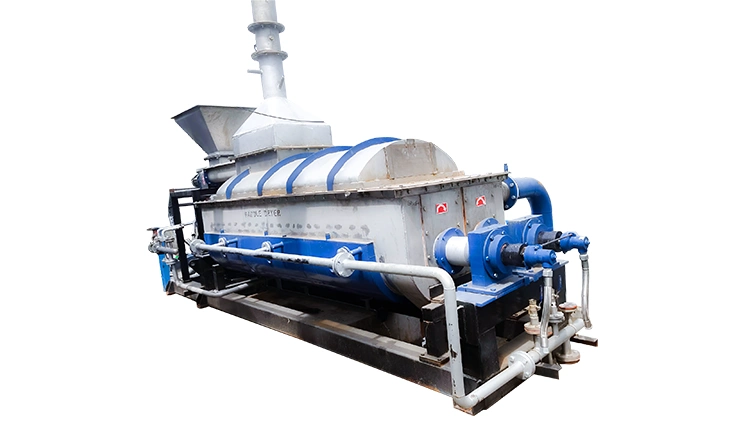
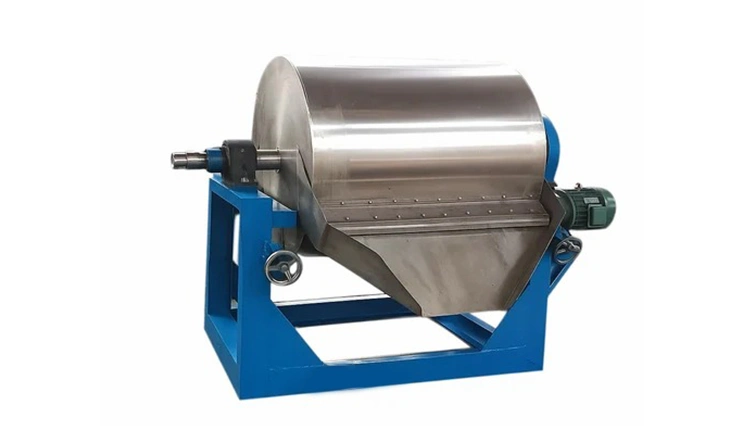
Each material page names the recommended dryer and the alternatives. The machines below are the ones specified most often across the 15 materials for this industry.

Why GEM

How we work with pharmaceuticals & biotech plants

Low-temperature drying options

Rotary vacuum and freeze dryers remove water or solvent at reduced temperature, protecting heat-sensitive actives, cultures and enzymes from thermal damage.

Sealed and contained systems

Vacuum, paddle and thin film dryers run as closed systems with condensers, containing solvent vapour and potent dust while recovering solvent for reuse.

Hygienic construction available

Product-contact parts can be built in SS316 with polished, cleanable surfaces in a GMP-style hygienic layout, specified to suit your own validation requirements.

FAQ

Pharmaceuticals & Biotech: questions buyers ask

Rotary vacuum dryer or fluid bed for wet granules?
Fluid bed dryers dry aqueous wet granules quickly with good uniformity. Rotary vacuum dryers suit solvent-wet or heat-sensitive material that needs low temperature and solvent recovery. The granulation solvent and product sensitivity largely decide the choice.
Do you supply freeze dryers for probiotics and enzymes?
Yes. Freeze dryers are part of our range for probiotics, starter cultures, and enzymes where viability or activity must be preserved. Cycle parameters are developed around your formulation and container format. This covers food, nutraceutical and non-sterile duty; sterile injectable lyophilisation is outside our scope.
Can dryers be built to GMP-style hygienic requirements?
Hygienic design in SS316 with polished contact surfaces and cleanable internals is available. Qualification and validation remain with your quality team, and we can provide equipment drawings and material details to support that work.

Send us a sample. See it dried.

We trial your material in our pilot facility before any equipment decision, then size the dryer from real data.

  1. Tell us the material, moisture and throughput.
  2. An engineer confirms the trial plan and sample shipping.
  3. You get drying data and a sized recommendation with a budget quotation.

Material not listed? Talk to our technical expert.

Describe it in the form, or message an engineer directly.

Request a trial or quotation

    An engineer replies within one working day. We never share your details.

    No related products found for this application.

    whatsapp