Solvent recovery residue drying treats the still bottoms and tarry residues left after distilling spent solvents at pharmaceutical, chemical and paint plants. These residues still hold significant solvent along with dissolved resins, salts and by-products. Further drying recovers part of that solvent and converts a flammable liquid waste into a dry solid that is easier and cheaper to incinerate.
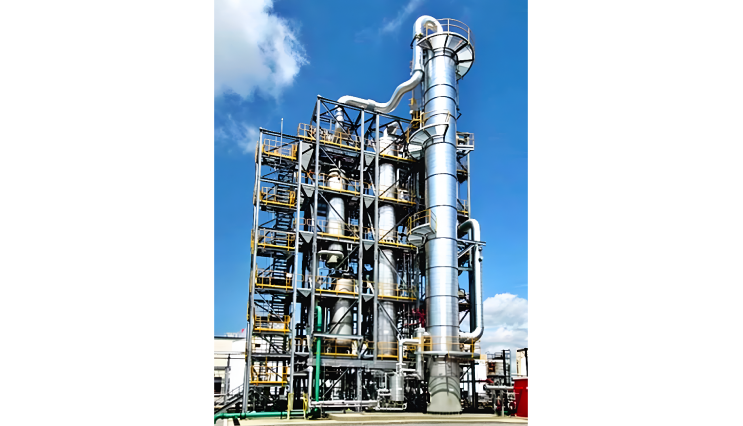
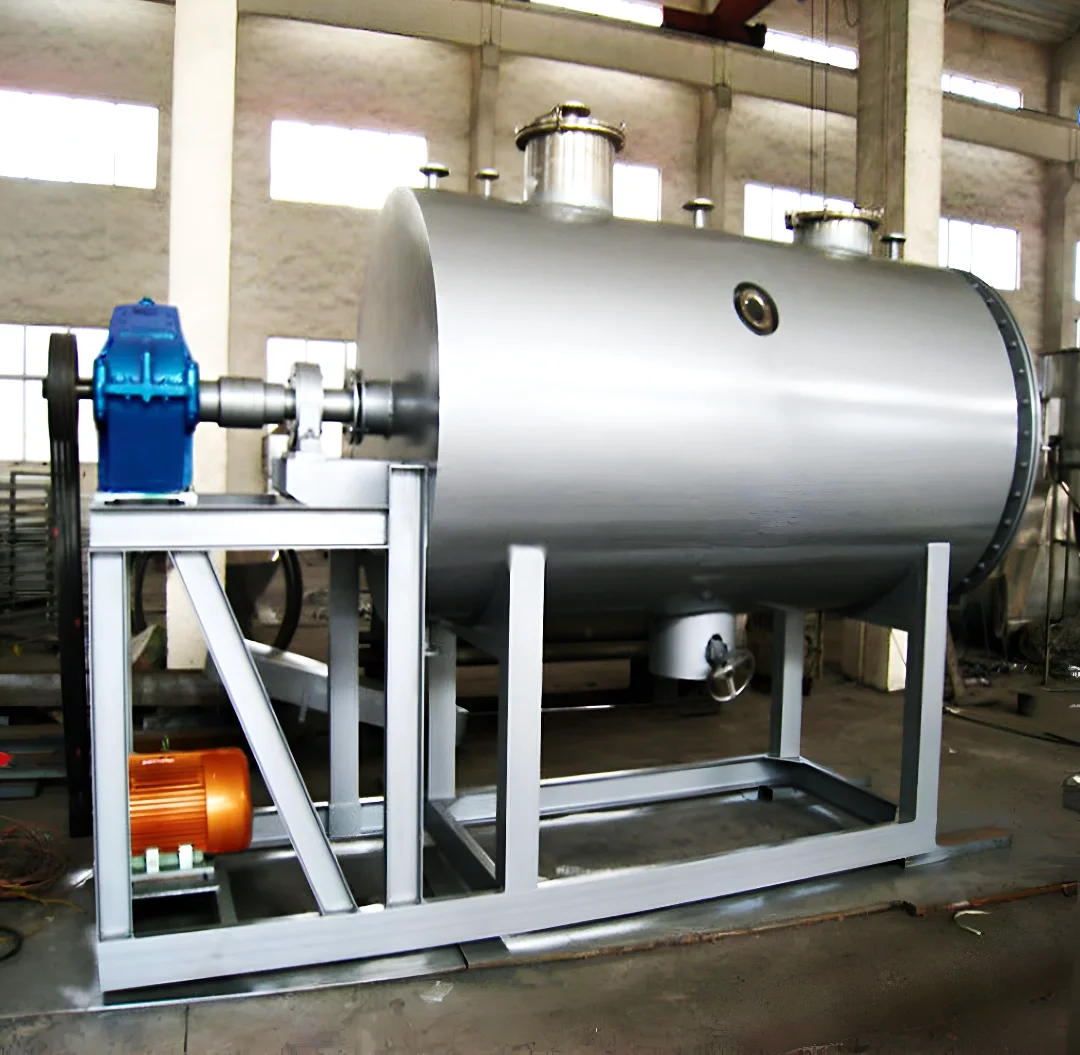
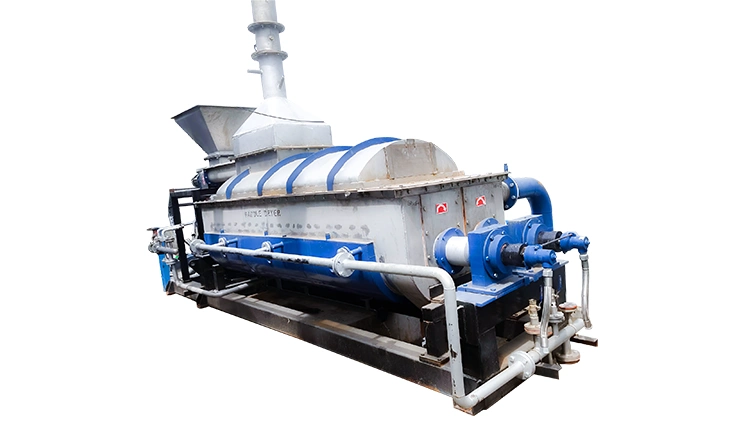
To dry solvent recovery residues, GEM recommends the Agitated Thin Film Dryer and Rotary Vacuum Dryer. Paddle Dryer is used when the feed or site calls for it. Every project starts with a pilot trial on your own sample.
An ATFD handles continuous still bottoms as a thin wiped film, recovering solvent quickly with short residence time. A rotary vacuum dryer lowers boiling points for heat-sensitive batches, and a paddle dryer suits residues that have already become pasty.
| Recommended dryer | Agitated Thin Film Dryer, Rotary Vacuum Dryer |
| Alternatives | Paddle Dryer |
| Application area | Hazardous & Oily Residues |
| Industries | Chemicals & Specialty Chemicals, Pharmaceuticals & Biotech |
Every litre of solvent recovered from residues reduces purchase and disposal cost. Liquid still bottoms are charged at high incineration rates, while a dry residue is lighter, safer to transport and often accepted at lower cost.
Plants searching for a solvent residue dryer or comparing a still bottoms dryer usually need three answers: which dryer fits, what it costs to run, and how fast it pays back. For Solvent Recovery Residues, we start from your throughput, current moisture and the target, trial a sample on the Agitated Thin Film Dryer, and return a sized recommendation with a budget quotation for your chemicals and pharmaceuticals operation.
We trial your material in our pilot facility before any equipment decision, then size the dryer from real data.
Describe it in the form, or message an engineer directly.