


Herbal, Botanical & Nutraceutical Drying
Herbal, botanical and nutraceutical materials include medicinal herbs, leaves such as moringa, stevia and mint, flowers and petals, roots like ashwagandha, spirulina, and extracts, concentrates, pastes and protein powders. Their value lies in active compounds, essential oils and colour that degrade with heat and time. Careful drying stabilises the material quickly after harvest or extraction and protects the potency and appearance buyers test for.
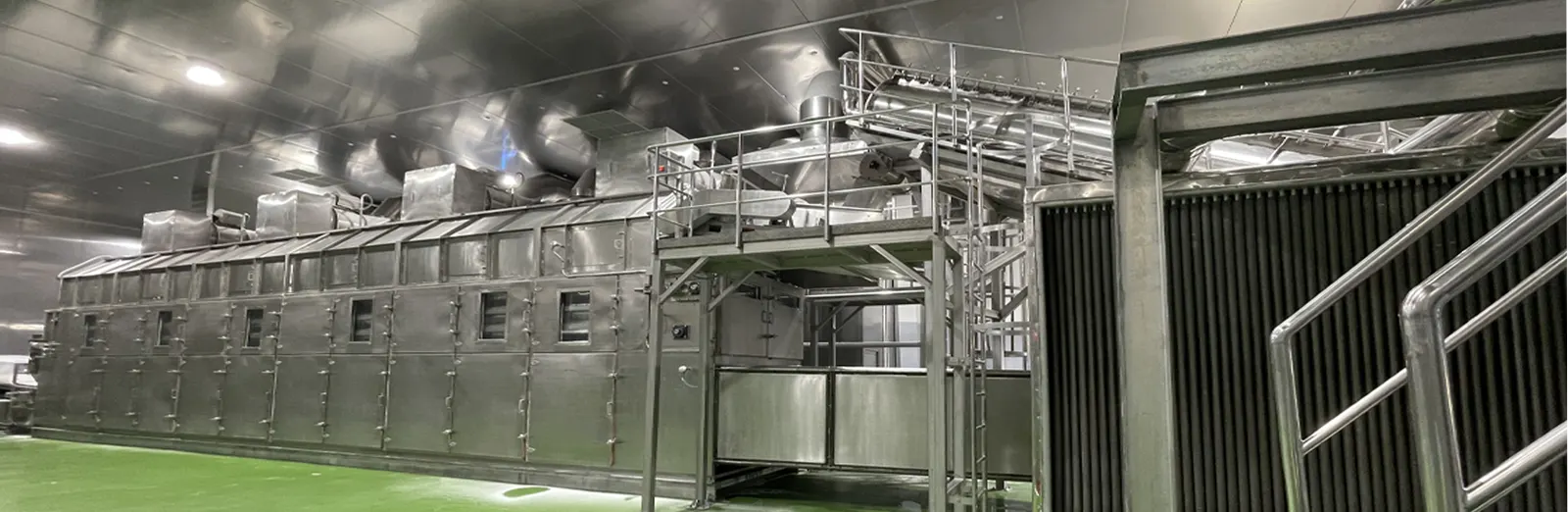
GEM dries 14 materials in Herbal, Botanical and Nutraceutical, most often on the Band Dryer (Beltotherm) and Single-Pass Conveyor Dryer. The table below compares typical moisture and the recommended dryer for each one.
Herbal, Botanical & Nutraceutical: moisture and dryer by material
| Material | Feed moisture | Target | Recommended dryer |
|---|---|---|---|
| Hemp Biomass | 70–80% | 8–12% | Band Dryer |
| Medicinal Herbs | 70–85% | 8–10% | Single-Pass Conveyor Dryer / Band Dryer |
| Moringa Leaves | 75–80% | 5–8% | Single-Pass Conveyor Dryer |
| Stevia Leaves | 70–80% | 8–10% | Band Dryer |
| Ashwagandha Root | 65–75% | 8–10% | Multi-Pass Conveyor Dryer |
| Herbal Flowers | 75–85% | 8–10% | Single-Pass Conveyor Dryer |
| Marigold Petals | 65–85% | 8–10% | Band Dryer |
| Aromatic Plants & Mint | 75–85% | 8–10% | Single-Pass Conveyor Dryer / Band Dryer |
| Herbal Tea Ingredients | 70–85% | 6–10% | Band Dryer |
| Spirulina | 75–85% | 4–7% | Band Dryer |
| Herbal Extracts | Pilot trial | 3–5% | Rotary Vacuum Dryer / Agitated Thin Film Dryer |
| Plant Concentrates | 40–60% | 3–5% | Single / Double Drum Dryer / Agitated Thin Film Dryer |
| Nutraceutical Pastes | Pilot trial | To spec | Rotary Vacuum Dryer |
| Protein Powders | 55–70% | 5–8% | Flash Dryer |
Dryer selection for herbal, botanical & nutraceutical
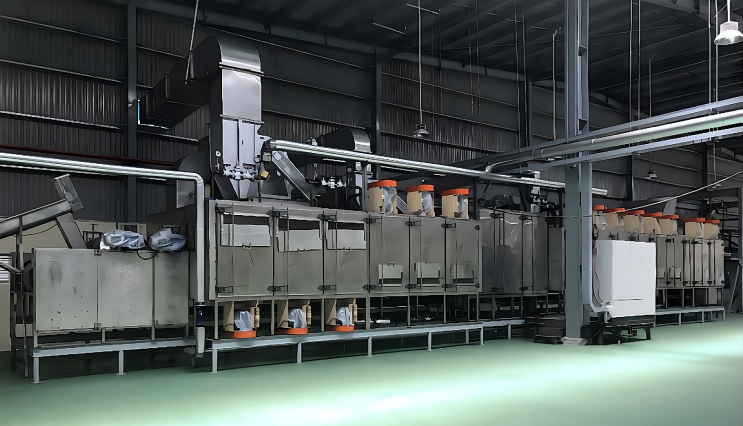
Whole leaves, flowers and fresh herbs are dried on single-pass conveyor dryers or band dryers at low temperatures, with gentle airflow that does not lift light material off the belt. Multi-pass conveyor dryers suit roots such as ashwagandha, and band dryers suit stevia, marigold, herbal tea ingredients and spirulina. Extracts and pastes go to rotary vacuum dryers or agitated thin film dryers, concentrates to drum dryers, protein powders to flash dryers, and premium heat-sensitive lines to freeze dryers.
| Feed moisture | 65–85% for fresh leaves, flowers, roots and spirulina; 40–60% for concentrates |
| Target moisture | 5–10% for leaves, flowers and roots; 3–5% for extracts and concentrates |
| Drying temperature approach | Low-temperature air for leaves and flowers; vacuum or freeze drying for the most heat-sensitive actives |
| Heat sources | Hot water, steam, thermal oil or indirect air heaters |


What makes these materials hard to dry
- Essential oils, glycosides and other actives are heat sensitive and volatile, so drying temperature must stay low and controlled.
- Thin leaves and petals dry in minutes while stems and roots take hours, making even drying difficult in mixed material.
- Green and floral colours fade or brown with excess heat or slow drying, and colour often decides the price.
- Microbial load and foreign matter must be controlled to meet pharmacopoeia, export and food supplement specifications.
Why it pays back
Botanical buyers pay for assayed actives, colour and clean microbiology. Controlled, prompt drying after harvest reduces losses to mould and fading, raises the share of material meeting premium grades, and replaces weather-dependent shade drying with a predictable, documented process.
Herbal, Botanical & Nutraceutical: questions buyers ask
What temperature should herbs and leaves be dried at?
Can moringa and stevia leaves be dried continuously?
How are herbal extracts dried to powder?
Send us a sample. See it dried.
We trial your material in our pilot facility before any equipment decision, then size the dryer from real data.
- Tell us the material, moisture and throughput.
- An engineer confirms the trial plan and sample shipping.
- You get drying data and a sized recommendation with a budget quotation.
Material not listed? Talk to our technical expert.
Describe it in the form, or message an engineer directly.
