Plant concentrate drying converts evaporated aqueous juices and decoctions, such as amla, noni, aloe vera and herbal kadha concentrates, into powders or flakes. Unlike solvent extracts, these are water-based, but they are rich in natural sugars and acids, making them sticky and heat-sensitive. A carrier and the right contact dryer give stable, free-flowing product.
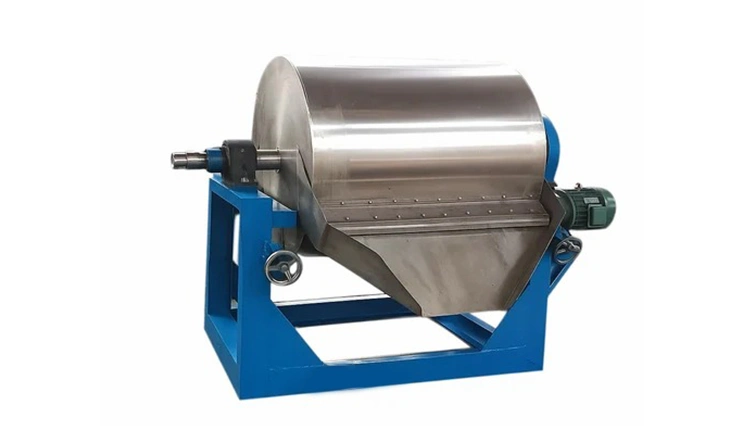
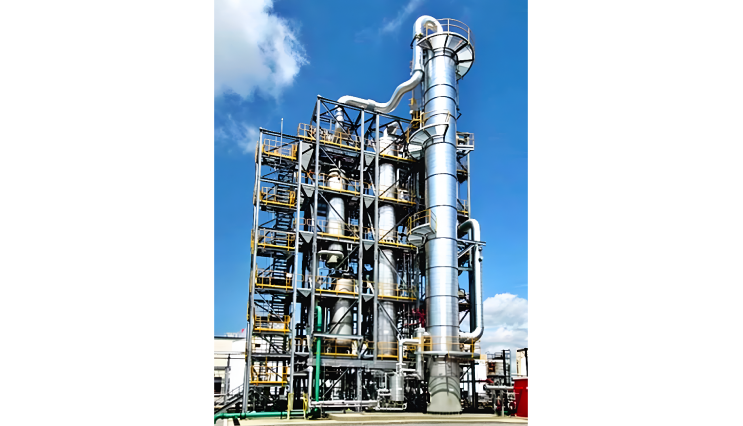
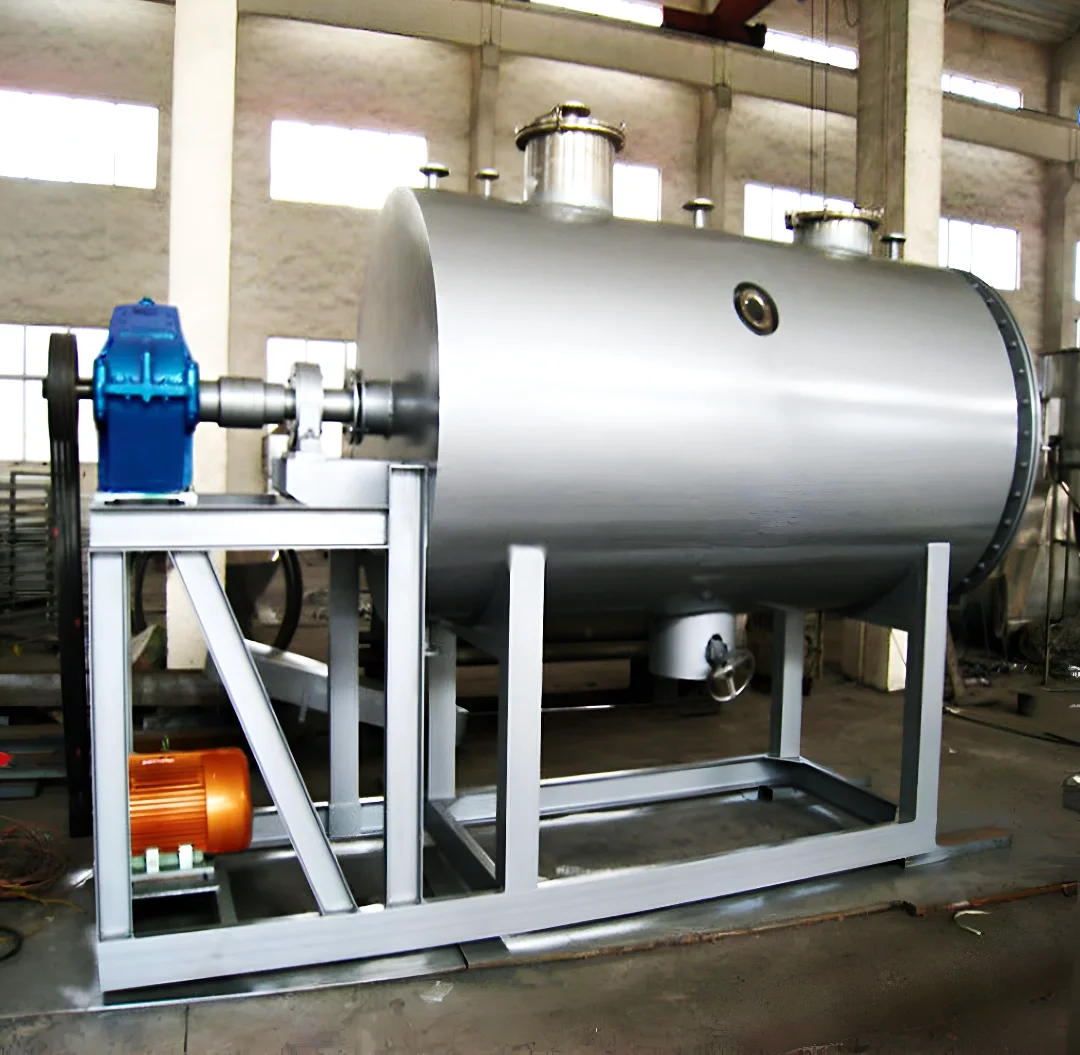
To dry plant concentrates, GEM recommends the Single / Double Drum Dryer and Agitated Thin Film Dryer. Typical moisture is 40–60% in the feed and 3–5% after drying. Freeze Dryer / Lyophilizer and Rotary Vacuum Dryer are used when the feed or site calls for it. Every project starts with a pilot trial on your own sample.
A drum dryer spreads concentrate as a thin film on a heated drum, drying in seconds to flakes that mill into powder. An agitated thin film dryer suits continuous low-temperature operation. Vacuum or freeze drying is chosen when actives are too heat-sensitive.
| Typical feed moisture | 40–60% |
| Typical target moisture | 3–5% |
| Recommended dryer | Single / Double Drum Dryer, Agitated Thin Film Dryer |
| Alternatives | Freeze Dryer / Lyophilizer, Rotary Vacuum Dryer |
| Application area | Herbal, Botanical & Nutraceutical |
| Industries | Nutraceuticals & Herbal, Pharmaceuticals & Biotech |
Powder ships and stores far more cheaply than liquid concentrate, needs no cold chain and is easier to dose in formulations, increasing market reach for plant-based products.
Plants searching for a plant concentrate dryer or comparing a herbal concentrate drum dryer usually need three answers: which dryer fits, what it costs to run, and how fast it pays back. For Plant Concentrates, we start from your throughput, current moisture (typically 40–60%) and the target (3–5%), trial a sample on the Single / Double Drum Dryer, and return a sized recommendation with a budget quotation for your nutraceuticals and pharmaceuticals operation.
We trial your material in our pilot facility before any equipment decision, then size the dryer from real data.
Describe it in the form, or message an engineer directly.