Paper & Pulp

Industry

Drying Solutions for Paper & Pulp

Paper and pulp mills generate primary and deinking sludge, lime sludge, bark and wood residues, and handle mineral fillers such as kaolin and calcium carbonate. Wet sludge is costly to landfill, and wet bark burns poorly in the boiler. Drying turns these streams into boiler fuel or usable material and cuts disposal loads. GEM specifies rotary, flash or mesh belt drying to suit each residue and the heat available at the mill.

Quick answer

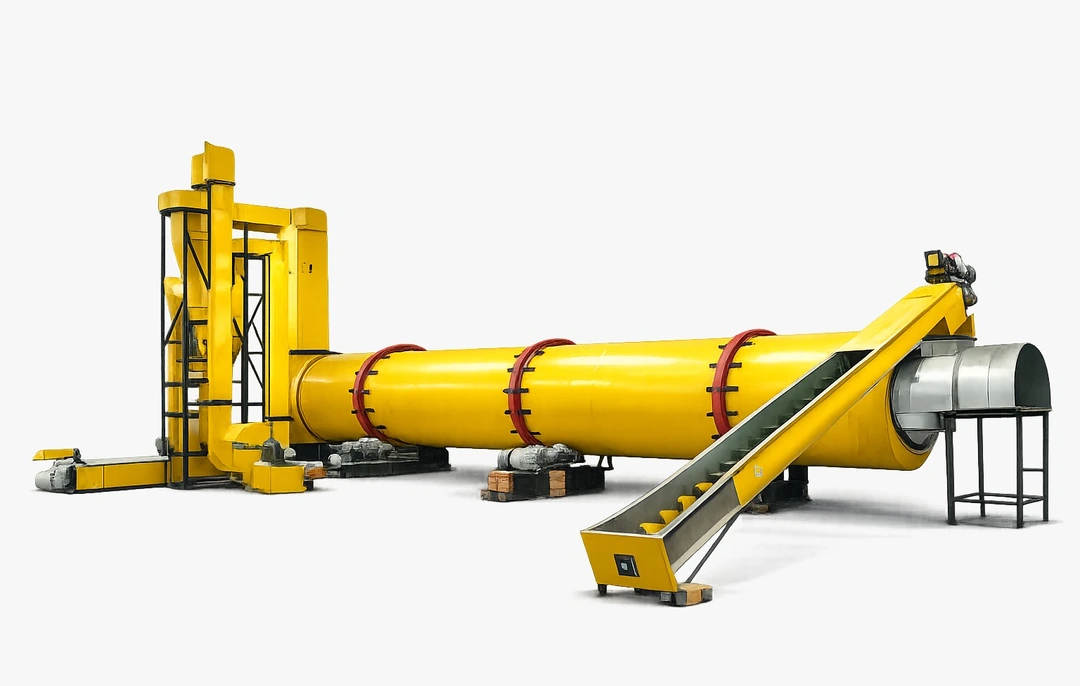
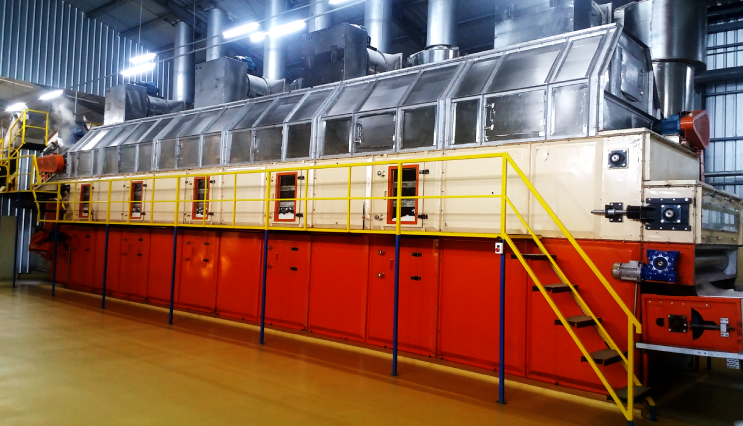
For paper & pulp, GEM dries 7 materials across 3 application areas. The dryers specified most often are the Rotary Dryer, Flash Dryer and Mesh Belt Dryer (Meshotherm), chosen per material after a pilot trial.

1998established112+installations7countriesDried & Testedin-house pilot trialsCertifications · Case studies
The pressure

Why paper & pulp plants invest in drying

  • Landfill space for wet primary and deinking sludge is shrinking, and disposal contracts are getting harder to renew at workable rates.
  • Wet bark and hog fuel lower boiler efficiency, increase fossil fuel top-up and make steam output harder to control.
  • Mills want to use waste heat from boiler flue gas or machine hoods but lack drying equipment designed to run on it.
  • Fibre-rich sludge is bulky and stringy, so it bridges in bins and wraps around agitators in general-purpose dryers.
Applications

What we dry for Paper & Pulp

The materials below cover mill sludges, wood-based fuels and the mineral fillers used in papermaking.

Equipment

Dryers behind these applications

Each material page names the recommended dryer and the alternatives. The machines below are the ones specified most often across the 7 materials for this industry.

Why GEM

How we work with paper & pulp plants

Fuel-focused drying

We size bark, chip and sludge dryers around the moisture your boiler needs, so the dried residue displaces purchased fuel rather than simply leaving the mill lighter.

Waste heat integration

Mesh belt dryers operate at moderate air temperatures, which suits low-grade heat from mill flue gas, hot water or exhaust air that would otherwise be discharged to atmosphere.

Trials on mill residue

Fibre content and ash vary from mill to mill. Running your sludge or bark at our Dried & Tested facility shows how it feeds, dries and discharges before you invest.

FAQ

Paper & Pulp: questions buyers ask

Can paper mill sludge be burned after drying?
Yes. Dried primary and deinking sludge carries calorific value from its fibre content and is commonly co-fired in biomass or recovery boilers. High ash or filler content lowers that value, so testing your sludge gives a realistic fuel figure.
Which dryer suits bark and wood chips at a mill?
Rotary dryers handle coarse, variable bark and hog fuel robustly, while mesh belt dryers suit chips where low-temperature waste heat is available. The choice depends on particle size, the heat source on site and the moisture your boiler requires.
Do you also dry kaolin and calcium carbonate fillers?
Yes. Fine mineral fillers from filter presses are typically dried in flash or rotary dryers, depending on particle size and whether the product must remain a fine powder. We review your filter cake properties before recommending a system.

Send us a sample. See it dried.

We trial your material in our pilot facility before any equipment decision, then size the dryer from real data.

  1. Tell us the material, moisture and throughput.
  2. An engineer confirms the trial plan and sample shipping.
  3. You get drying data and a sized recommendation with a budget quotation.

Material not listed? Talk to our technical expert.

Describe it in the form, or message an engineer directly.

Request a trial or quotation

    An engineer replies within one working day. We never share your details.

    No related products found for this application.

    whatsapp