Textile processors and dye houses generate ETP and dye-house sludge and ZLD reject salts such as sodium sulphate, and they handle dyes, fibres, process chemicals and recycled PET flakes. Sludge disposal is charged by weight, ZLD compliance needs a dry solid at the end of the evaporator, and fibres or flakes need precise moisture before spinning or extrusion. GEM supplies paddle, thin film, fluid bed and flash dryers for these streams.
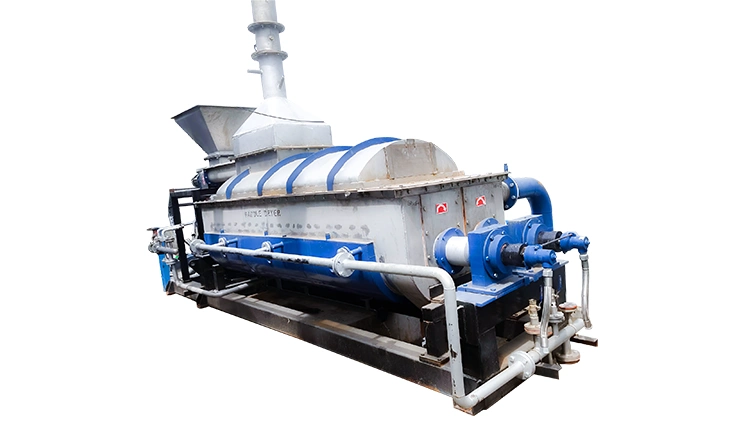
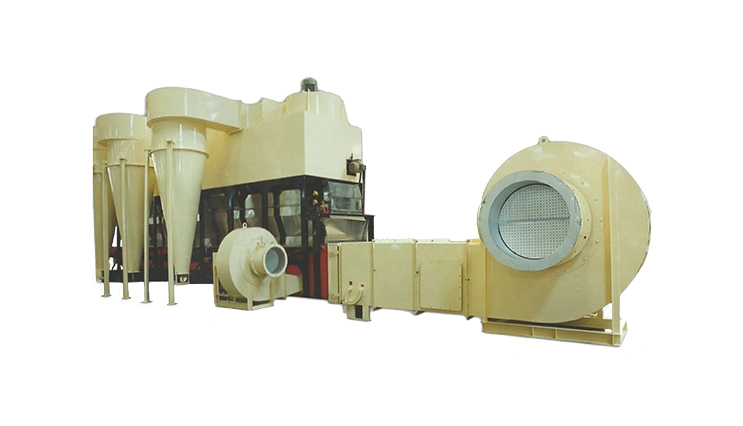
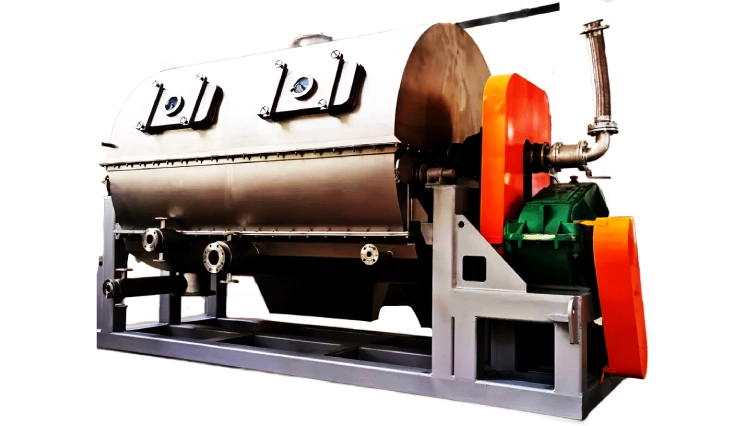
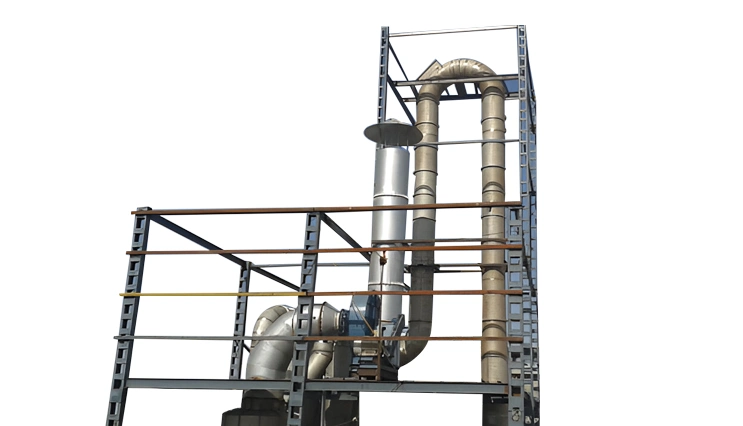
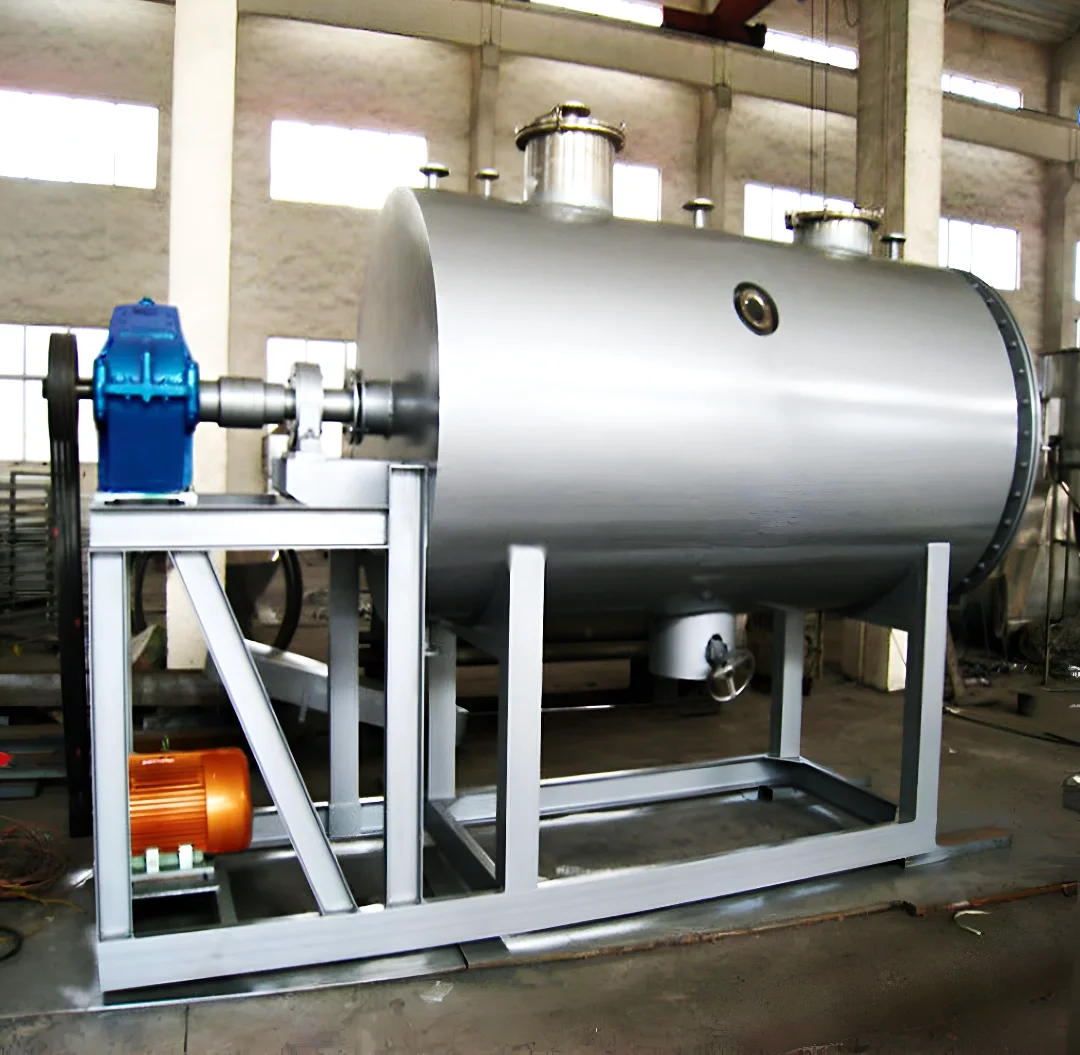
For textile & dye houses, GEM dries 13 materials across 4 application areas. The dryers specified most often are the Paddle Dryer, Vibratory Fluid Bed Dryer and Drum Flaker, chosen per material after a pilot trial.
From effluent residues to fibres and recycled PET, the materials listed below are those a textile or dye-house operation typically needs to dry.
Each material page names the recommended dryer and the alternatives. The machines below are the ones specified most often across the 13 materials for this industry.
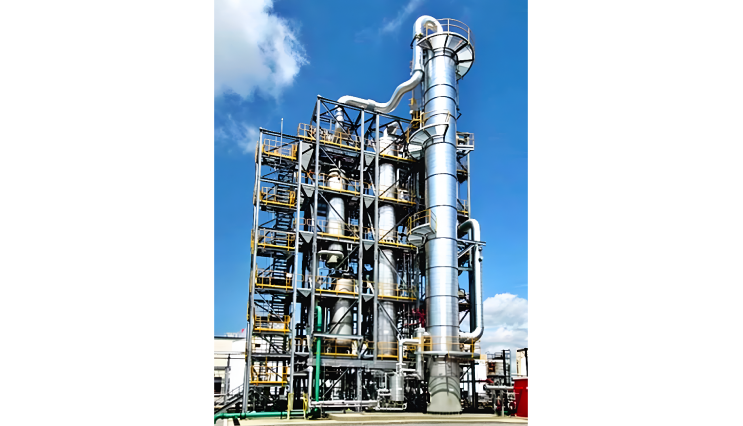
Agitated thin film and paddle dryers take evaporator concentrate or wet salt to a dry solid, closing the loop on zero liquid discharge systems at processing and dyeing units.
Drying textile ETP sludge in an indirect paddle dryer removes most of its water, reducing what goes to the hazardous waste facility and what it costs to send.
Beyond effluent, we dry fibres, dyes, salts and recycled PET flakes, so one supplier can address both the production and the compliance side of the mill.
We trial your material in our pilot facility before any equipment decision, then size the dryer from real data.
Describe it in the form, or message an engineer directly.
No related products found for this application.