Sulphur black drying handles the presscake produced when dinitrophenol is thionated with sodium polysulphide. This dye is the main low-cost black for cotton and denim, but the cake contains sulphur compounds that can self-heat, smoulder or release hydrogen sulphide. Producers therefore dry sulphur black in sealed, indirectly heated equipment rather than in open hot-air streams.
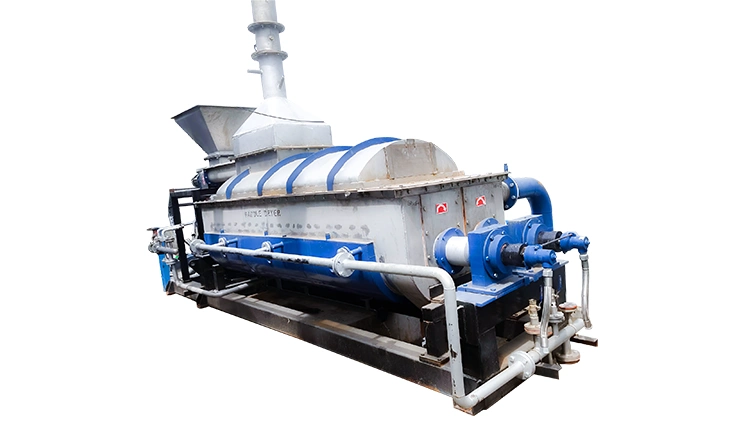
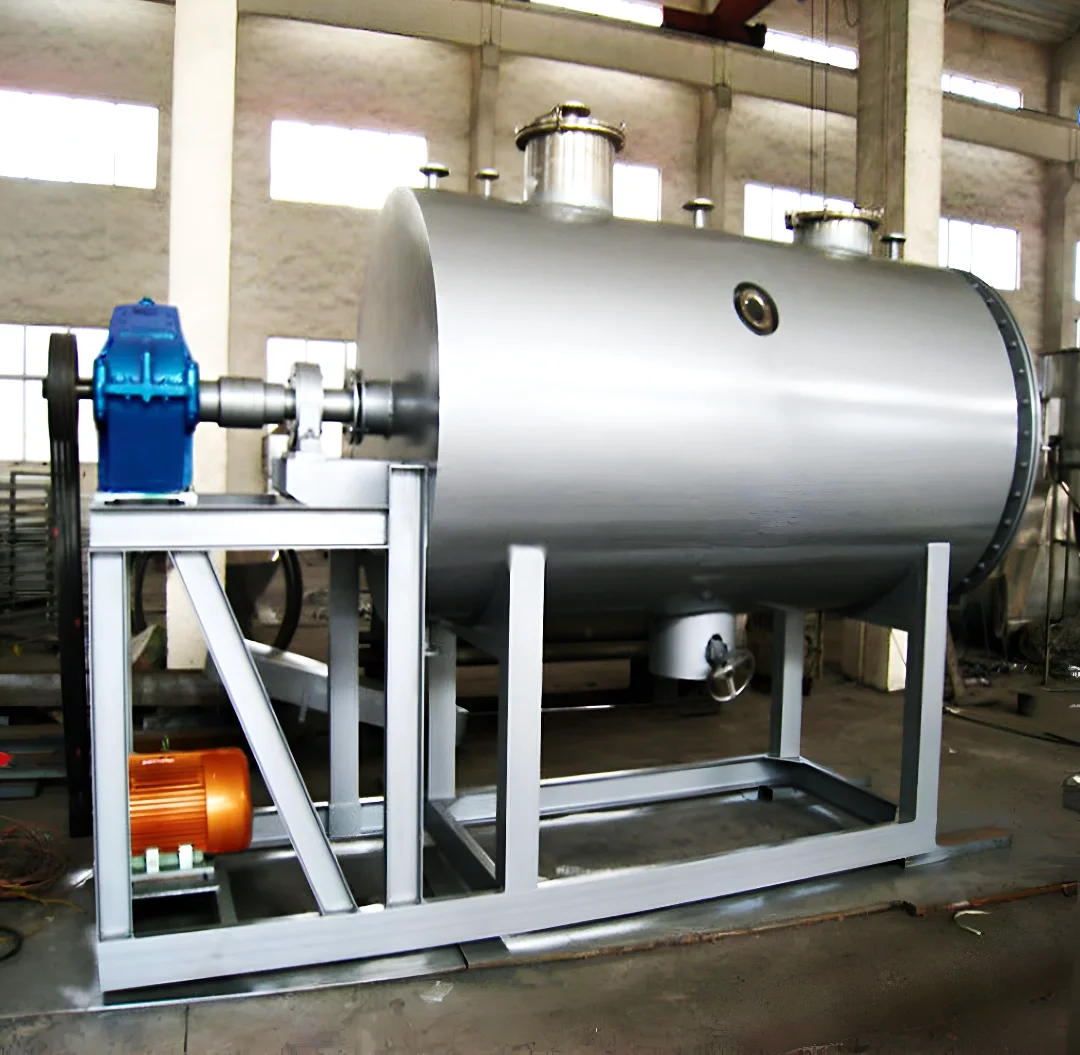
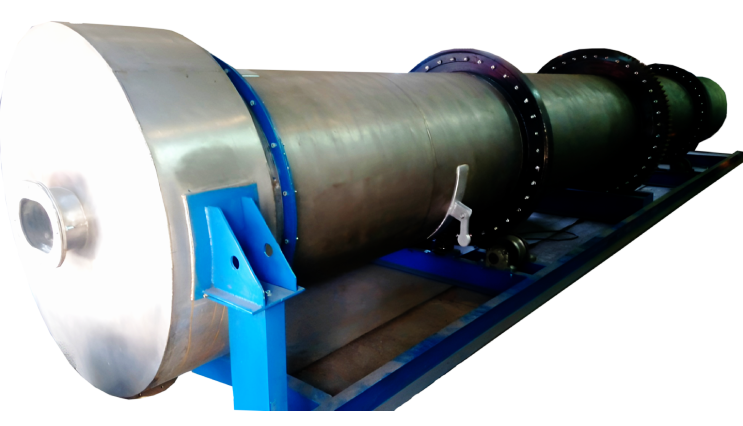
To dry sulphur black, GEM recommends the Paddle Dryer. Rotary Vacuum Dryer and Direct / Indirect Rotary Dryer are used when the feed or site calls for it. Every project starts with a pilot trial on your own sample.
A paddle dryer heats sulphur black through the jacket and shafts in a closed vessel, using little sweep gas, which limits oxygen and contains gases. Rotary vacuum dryers suit smaller batches, and indirect rotary dryers suit larger, less reactive grades.
| Recommended dryer | Paddle Dryer |
| Alternatives | Rotary Vacuum Dryer, Direct / Indirect Rotary Dryer |
| Application area | Dyes, Pigments & Intermediates |
| Industries | Dyes, Pigments & Inks, Textile & Dye Houses |
Sealed drying reduces fire risk, odour complaints and black dust contamination, which are major operating problems for sulphur dye plants. Consistent dried product also supports export and domestic denim customers.
Plants searching for a sulphur black dryer or comparing a sulphur black drying plant usually need three answers: which dryer fits, what it costs to run, and how fast it pays back. For Sulphur Black, we start from your throughput, current moisture and the target, trial a sample on the Paddle Dryer, and return a sized recommendation with a budget quotation for your dyes and textile operation.
We trial your material in our pilot facility before any equipment decision, then size the dryer from real data.
Describe it in the form, or Message an Engineer directly →