


Minerals, Ores & Ceramics Drying
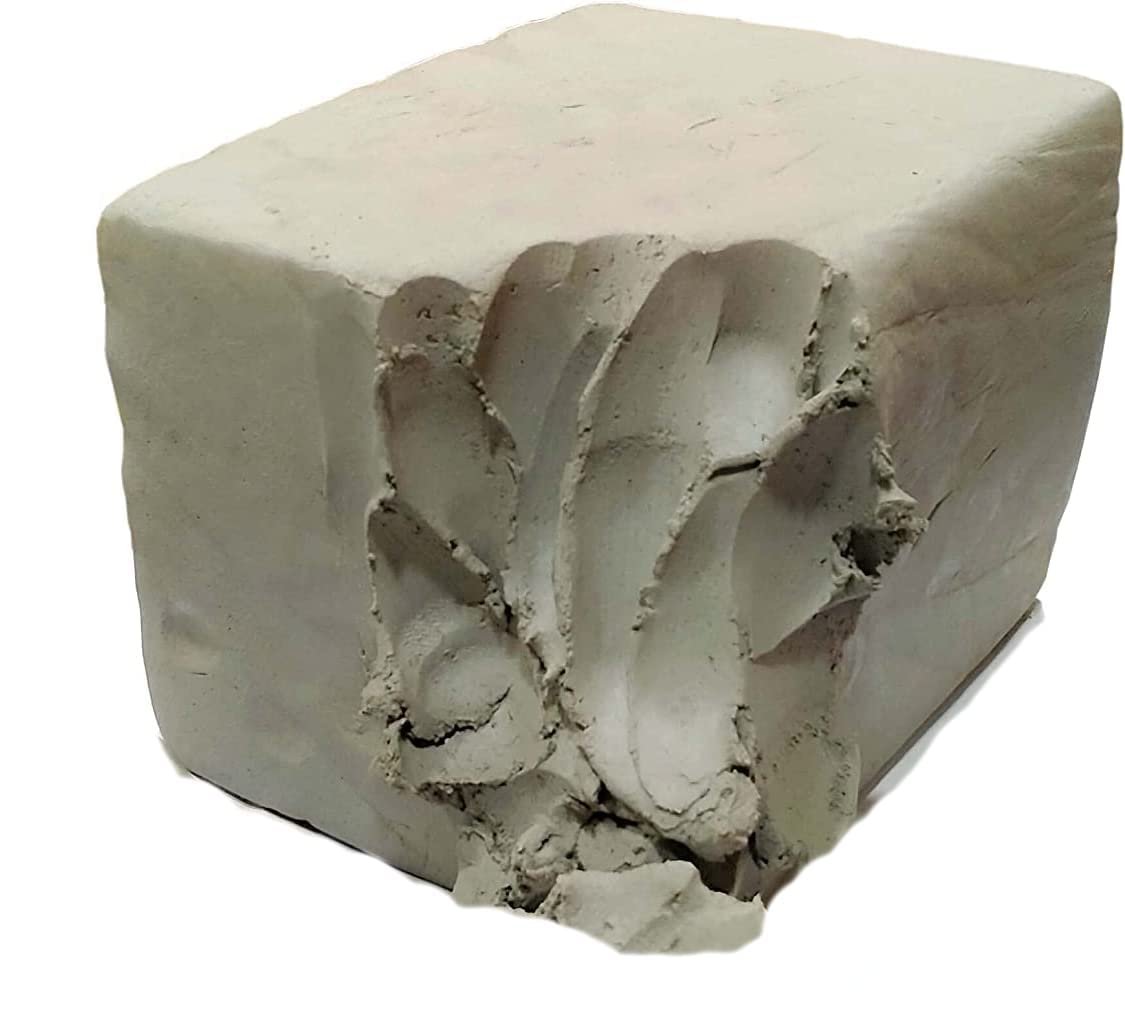
Minerals, ores and ceramics include clays, kaolin and bentonite, limestone and calcium carbonate, silica and foundry sand, gypsum and talc, metal ores and flotation concentrates, coal, and ceramic powders and shapes. Most are dried to cut freight, meet smelter or kiln specifications, enable grinding and screening, or produce dry filler powders. These are heavy, often abrasive tonnages where robustness and fuel efficiency count.
GEM dries 23 materials in Minerals, Ores and Ceramics, most often on the Rotary Dryer and Rotary Cascade Dryer. The table below compares typical moisture and the recommended dryer for each one.
Minerals, Ores & Ceramics: moisture and dryer by material
Dryer selection for minerals, ores & ceramics
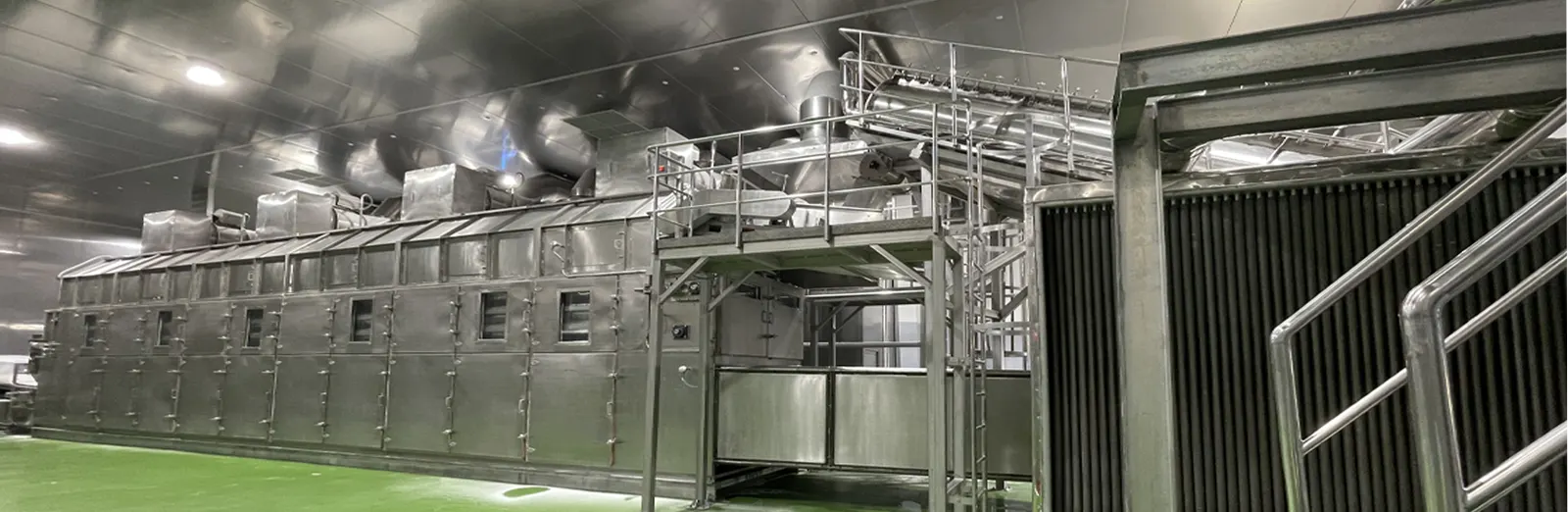
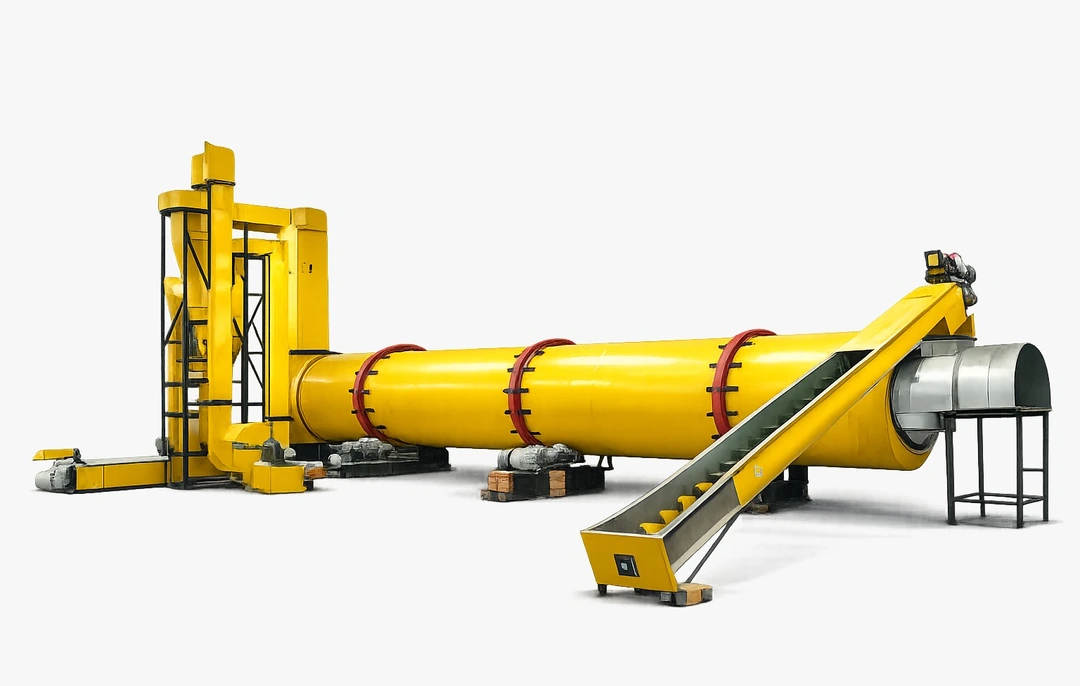
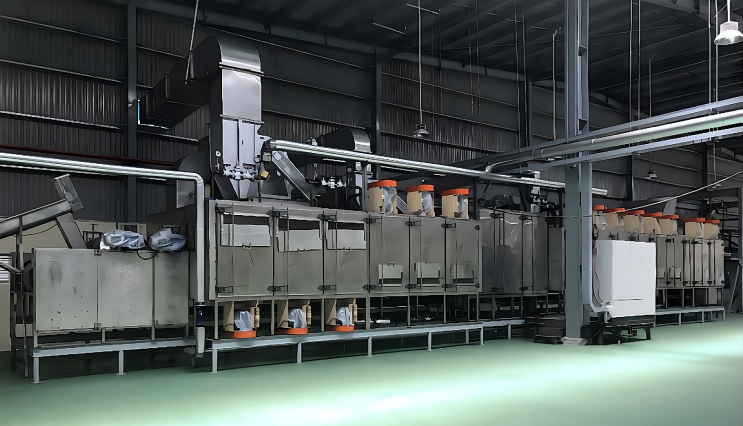
Bulk minerals and ores such as clay, bentonite, chrome, nickel and iron ore, gypsum and foundry sand are dried in rotary dryers. Limestone and silica sand suit high-temperature rotary cascade dryers. Fine wet cakes and powders such as calcium carbonate, talc, kaolin and ceramic slip go to flash dryers. Coal and coal cake are dried indirectly in rotary tube bundle or paddle dryers to limit fire risk, and band dryers suit formed ceramic honeycombs and catalyst carriers.
| Feed moisture | 4–15% for sands, ores and concentrates; 20–75% for clays, filter cakes, carbonates and coal |
| Target moisture | Below 0.5% for sands and fillers; 1–22% for ores, clays and coal, set by downstream use |
| Drying approach | Direct rotary or cascade drying for robust solids; flash drying for fines; indirect drying for combustible coal |
| Heat sources | Gas, oil, coal or biomass furnaces, hot gas from kilns, or steam for indirect dryers |


What makes these materials hard to dry
- Abrasive sands, ores and concentrates wear shells, flights and seals, so materials and wear liners must be chosen carefully.
- Clays and fine concentrates can turn sticky at intermediate moisture and build up on internal surfaces.
- Fine dust carries product value and must be captured, often with cyclones and bag filters sized for heavy dust loads.
- Coal, coal cake and some concentrates are combustible, requiring controlled oxygen and temperature throughout drying.
Why it pays back
Every tonne of moisture removed from an ore or mineral is a tonne not transported or heated in a kiln or smelter. Drying to specification improves grinding, screening and flowability, avoids penalties on concentrate moisture, and adds value to fillers and powders.
Minerals, Ores & Ceramics: questions buyers ask
Rotary dryer or cascade dryer for sand and limestone?
How is coal dried safely?
Can wet filter cakes like calcium carbonate be dried to powder?
Send us a sample. See it dried.
We trial your material in our pilot facility before any equipment decision, then size the dryer from real data.
- Tell us the material, moisture and throughput.
- An engineer confirms the trial plan and sample shipping.
- You get drying data and a sized recommendation with a budget quotation.
Material not listed? Talk to our technical expert.
Describe it in the form, or message an engineer directly.
