30–40% → 18–22% moisture. About 20% of the feed weight leaves as water, so the product meets spec and handles freely.
Nickel ore drying is a major step for laterite operations, where saprolite and limonite ore arrive with very high free moisture and a clay-rich, sticky texture. RKEF smelters dry the ore partially, not fully, so it can be handled, blended and fed to calcining kilns without excess water load.
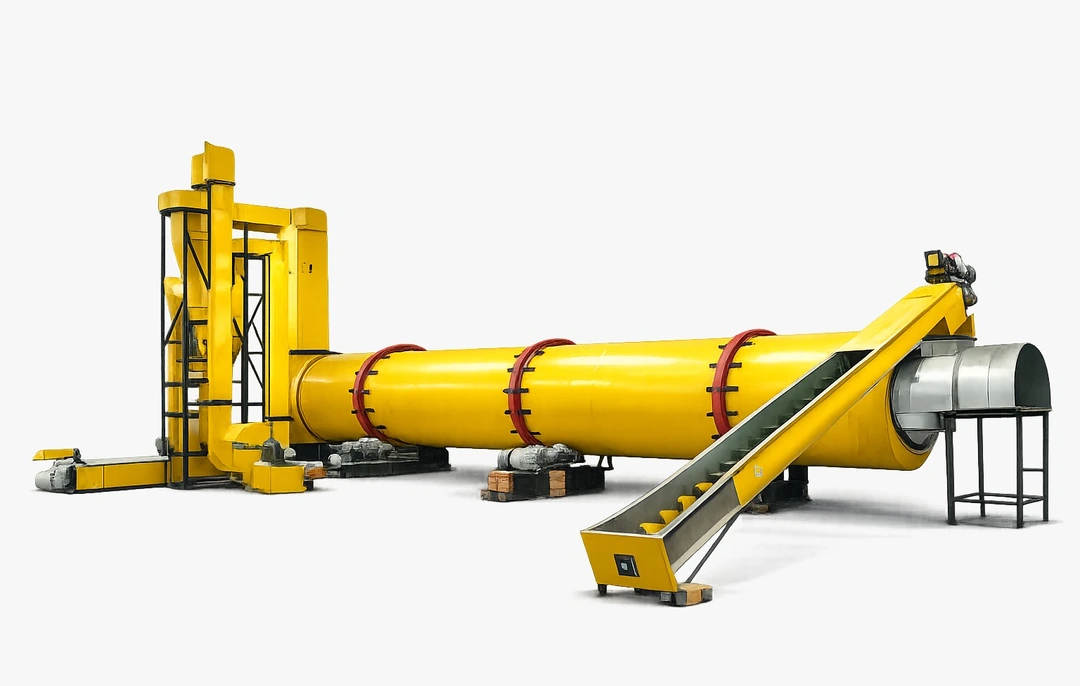
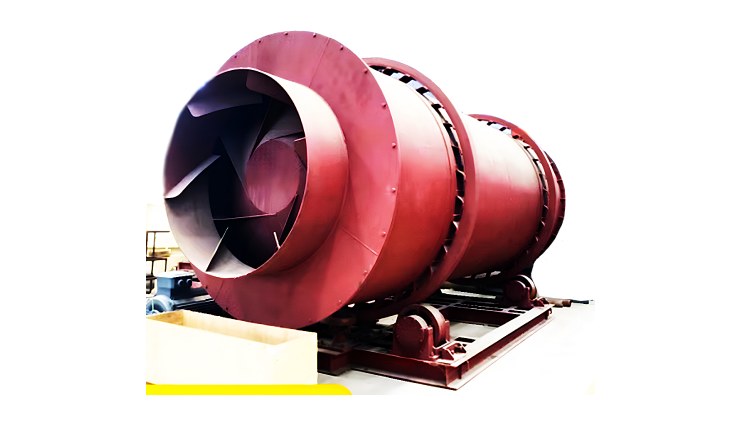
To dry nickel ore, GEM recommends the Rotary Dryer. Typical moisture is 30–40% in the feed and 18–22% after drying. Rotary Cascade Dryer is used when the feed or site calls for it. Every project starts with a pilot trial on your own sample.
A large co-current direct rotary dryer, with knockers and chain sections, handles sticky laterite at high tonnage and partial drying targets. A cascade arrangement is considered for drier, more granular ore types where higher inlet temperatures reduce drum size.
| Typical feed moisture | 30–40% |
| Typical target moisture | 18–22% |
| Recommended dryer | Rotary Dryer |
| Alternatives | Rotary Cascade Dryer |
| Application area | Minerals, Ores & Ceramics |
| Industries | Minerals, Mining & Ceramics |
Removing free water before the kiln reduces kiln fuel use and stabilises furnace operation. Partial drying also makes wet laterite handleable through monsoon seasons, protecting smelter throughput.
Plants searching for a nickel ore dryer or comparing a laterite ore drying usually need three answers: which dryer fits, what it costs to run, and how fast it pays back. For Nickel Ore, we start from your throughput, current moisture (typically 30–40%) and the target (18–22%), trial a sample on the Rotary Dryer, and return a sized recommendation with a budget quotation for your minerals operation.
We trial your material in our pilot facility before any equipment decision, then size the dryer from real data.
Describe it in the form, or Message an Engineer directly →