Biomass, Bioenergy & Recycling

Industry

Drying Solutions for Biomass, Bioenergy & Recycling

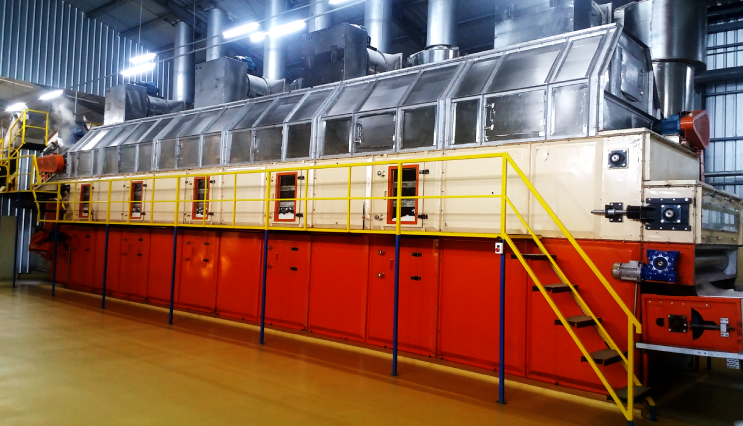
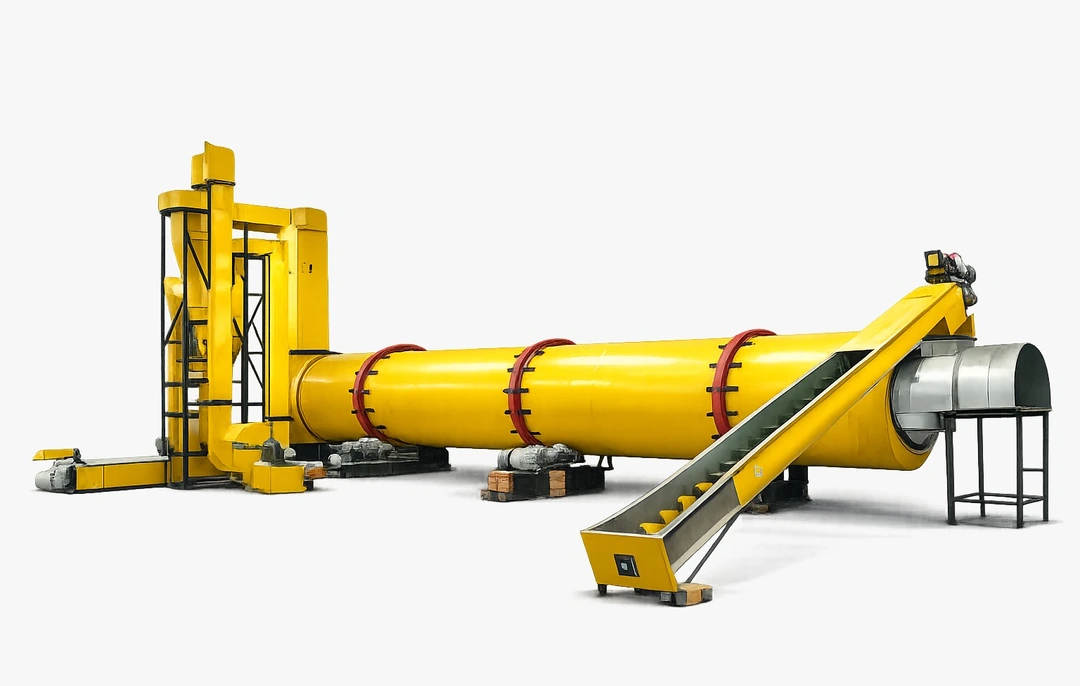
Bioenergy and recycling operators dry sawdust, wood chips, bark, bagasse, rice husk, palm fibre, straw, energy grasses, RDF, digestate and food waste before pelleting, gasification or firing. Wet biomass has a low net calorific value and will not pellet properly, while drying recyclables such as PET flakes and rubber crumb readies them for reprocessing. GEM's Meshotherm and Aerodryve belt dryers and rotary dryers cover low-temperature and high-throughput duties.

Quick answer

For biomass, bioenergy & recycling, GEM dries 31 materials across 8 application areas. The dryers specified most often are the Mesh Belt Dryer (Meshotherm), Rotary Dryer and Rotary Tube Bundle Dryer, chosen per material after a pilot trial.

1998established112+installations7countriesDried & Testedin-house pilot trialsCertifications · Case studies
The pressure

Why biomass, bioenergy & recycling plants invest in drying

  • Pellet mills need feedstock at tight moisture, and wet or variable biomass causes poor pellet quality and die blockages.
  • Boilers firing wet fuel lose efficiency and output, increasing fuel consumption for every tonne of steam produced.
  • High-temperature drum drying of fine, dry biomass dust raises fire risk and draws scrutiny over stack emissions.
  • RDF from mixed waste arrives wet and variable, reducing its calorific value and its acceptance at cement kilns.
Equipment

Dryers behind these applications

Each material page names the recommended dryer and the alternatives. The machines below are the ones specified most often across the 31 materials for this industry.

Why GEM

How we work with biomass, bioenergy & recycling plants

Low-temperature belt drying

Meshotherm belt dryers run at moderate air temperatures that suit waste heat from boilers, engines or flue gas and reduce fire risk compared with high-temperature drum drying.

Aerodryve for wet feeds

Our Aerodryve hybrid combines belt drying with fluidisation, raising evaporation for very wet or bulky feeds such as bagasse, palm fibre and energy grasses.

Pellet-ready moisture

Dryers are sized for the moisture your pellet mill, gasifier or boiler requires, and pellet coolers are available to complete the line.

FAQ

Biomass, Bioenergy & Recycling: questions buyers ask

Belt dryer or rotary dryer for wood chips?
Belt dryers run at lower temperatures, suit waste heat and produce fewer emissions, while rotary dryers are compact and handle coarse, variable feed at higher temperatures. Available heat source, feed size and site emission limits usually decide.
What moisture does biomass need for pelleting?
Most wood pellet lines need feedstock at roughly 8 to 12 percent moisture, though the exact target depends on species and press. Consistent moisture matters as much as the average value for pellet durability.
Can RDF be dried for cement kiln use?
Yes. Shredded RDF and SRF can be dried on belt or rotary dryers to raise net calorific value and improve feeding into kilns and calciners. Contaminants and fibre content affect dryer choice, so a trial on your material is useful.

Send us a sample. See it dried.

We trial your material in our pilot facility before any equipment decision, then size the dryer from real data.

  1. Tell us the material, moisture and throughput.
  2. An engineer confirms the trial plan and sample shipping.
  3. You get drying data and a sized recommendation with a budget quotation.

Material not listed? Talk to our technical expert.

Describe it in the form, or message an engineer directly.

Request a trial or quotation

    An engineer replies within one working day. We never share your details.

    No related products found for this application.

    whatsapp