Corn stover and cob drying prepares maize field residue and shelled cobs for pellets, bioethanol feed, furfural production or animal bedding. Stover is leafy and light while cobs are dense and woody, and moisture at harvest depends heavily on how long the crop stood in the field.
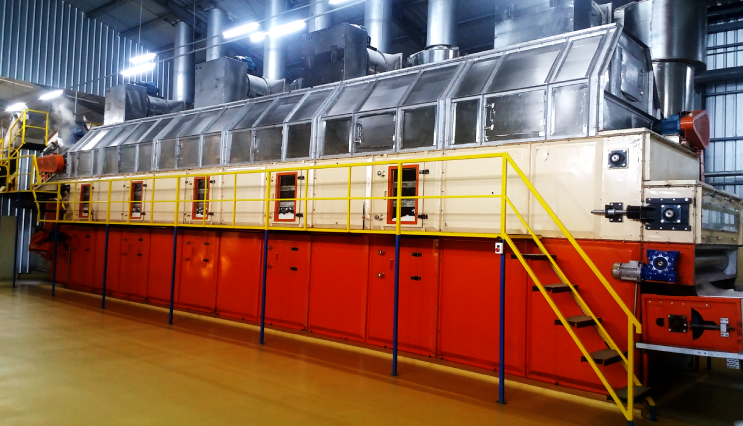
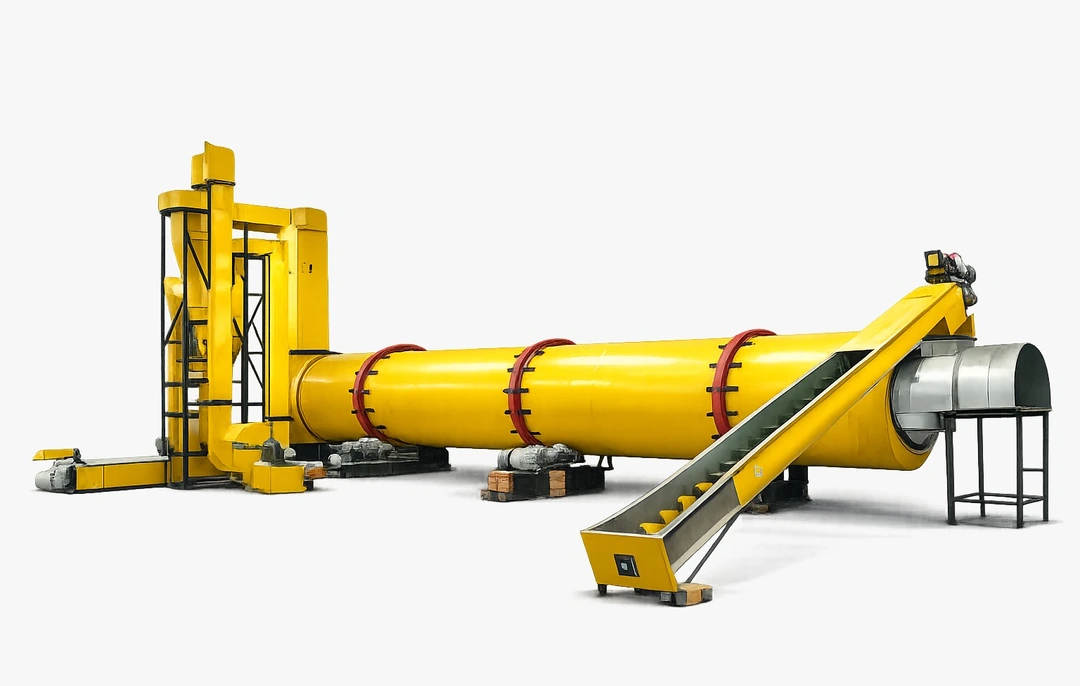
To dry corn stover & cobs, GEM recommends the Mesh Belt Dryer (Meshotherm). Typical moisture is 25–45% in the feed and 10–15% after drying. Rotary Dryer and Hybrid Belt + Fluid Bed Dryer are used when the feed or site calls for it. Every project starts with a pilot trial on your own sample.
Chopped stover and crushed cobs form a permeable bed on a mesh belt and dry evenly at low temperature, protecting sugars for biochemical use. A rotary dryer fits high-volume fuel lines; Aerodryve handles freshly harvested, wetter stover.
| Typical feed moisture | 25–45% |
| Typical target moisture | 10–15% |
| Recommended dryer | Mesh Belt Dryer (Meshotherm) |
| Alternatives | Rotary Dryer, Hybrid Belt + Fluid Bed Dryer |
| Application area | Biomass & Solid Fuel |
| Industries | Biomass, Bioenergy & Recycling, Agriculture & Grain Processing |
Dry stover and cobs store without mould, travel further at lower cost per tonne, and meet the moisture specifications of pellet buyers and biorefineries, turning a seasonal field residue into a year-round product.
Plants searching for a corn stover dryer or comparing a corn cob dryer usually need three answers: which dryer fits, what it costs to run, and how fast it pays back. For Corn Stover & Cobs, we start from your throughput, current moisture (typically 25–45%) and the target (10–15%), trial a sample on the Mesh Belt Dryer, and return a sized recommendation with a budget quotation for your biomass and agriculture operation.
Compare all 10 materials in Agro & Plantation Residues or browse the wider Biomass & Solid Fuel family.
We trial your material in our pilot facility before any equipment decision, then size the dryer from real data.
Describe it in the form, or message an engineer directly.