


Biomass Dryers for Agro Residues
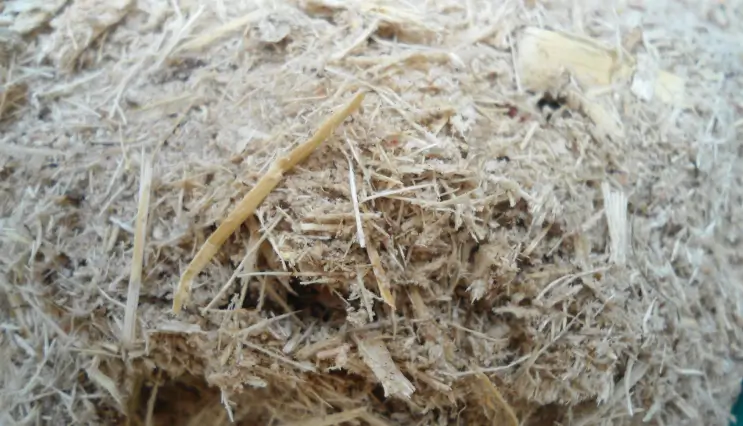
This page covers crop and plantation residues that end up as fuel, pellets, growing media or fibre: bagasse, rice husk, palm fibre and EFB, coconut shell and husk, coir pith, straw, stover, cotton stalk, energy grasses and spent mushroom substrate. They are grouped because they share low bulk density, fibrous structure and seasonal supply. Feed moisture runs from 15–25% for rice husk to 70–80% for while most targets sit at 10–15%, with boiler-fuel bagasse taken only to 35–40%. Mixed agro waste arrives at variable moisture, so its feed figure is best measured in a pilot trial.
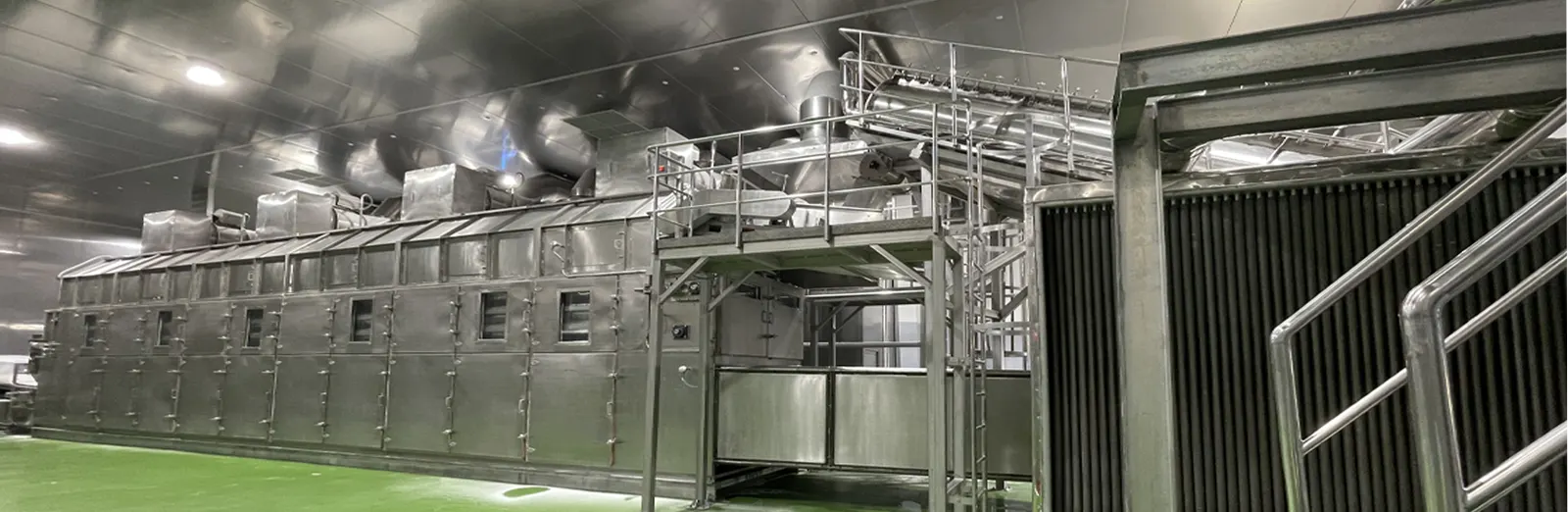
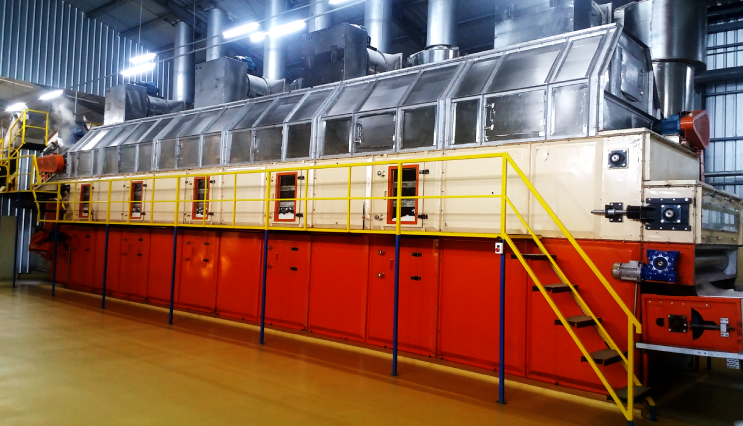
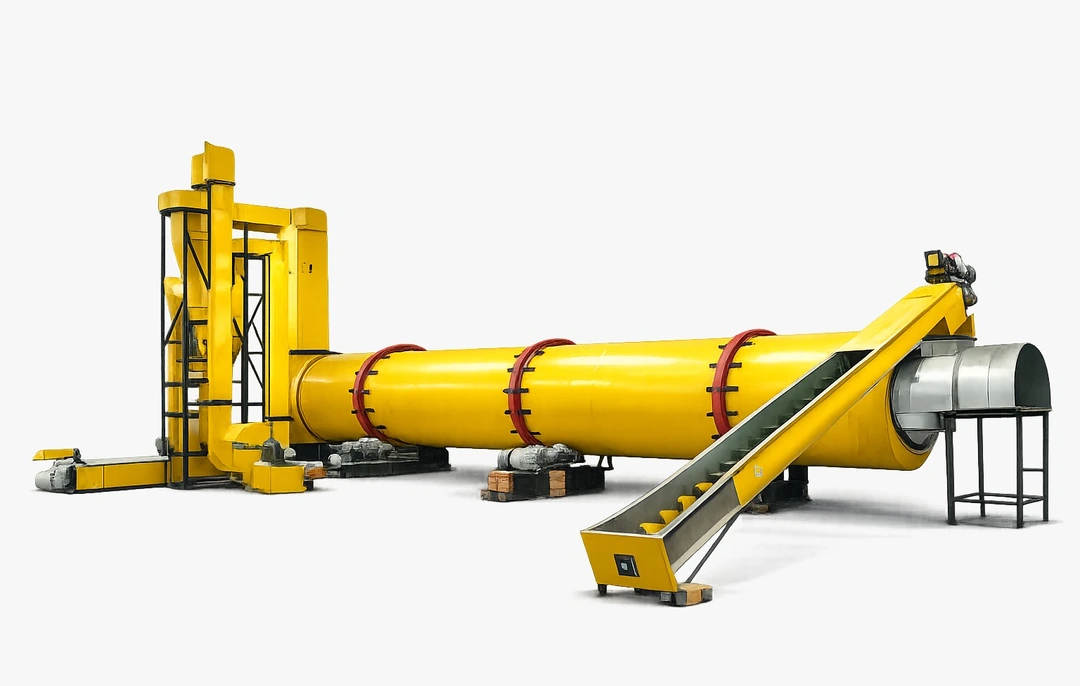
For agro & plantation residues, GEM most often specifies the Mesh Belt Dryer (Meshotherm) and Rotary Dryer. Moisture targets differ by material, so the table below lists typical feed and target moisture for each of the 10 materials in this group, and every project is confirmed on your own sample in a pilot trial.
Agro & Plantation Residues: moisture and dryer by material
| Material | Feed moisture | Target | Recommended dryer |
|---|---|---|---|
| Bagasse | 48–52% | 35–40% (boiler fuel); 10–15% (pellets) | Hybrid Belt + Fluid Bed Dryer / Rotary Dryer |
| Rice Husk | 15–25% | 8–12% | Rotary Dryer |
| Palm Fibre & EFB | 45–65% | 10–15% | Mesh Belt Dryer / Rotary Dryer |
| Coconut Shell & Husk | 40–60% | 10–15% | Mesh Belt Dryer |
| Coir Pith & Coco Peat | 60–75% | 15–20% | Rotary Dryer |
| Corn Stover & Cobs | 25–45% | 10–15% | Mesh Belt Dryer |
| Straw | 20–40% | 10–15% | Mesh Belt Dryer |
| Cotton Stalk | 30–45% | 10–12% | Rotary Dryer |
| Miscanthus & Energy Grasses | 20–50% | 10–15% | Mesh Belt Dryer |
| Spent Mushroom Substrate | 60–70% | 12–20% | Mesh Belt Dryer |
Typical values. Your material is confirmed in a pilot trial before sizing.
Which dryer for which material
For long-fibre or loose material that forms an open bed, such as straw, corn stover, miscanthus, coconut shell and husk, and spent mushroom substrate, a Mesh Belt Dryer (Meshotherm) is the usual first choice. Abrasive or chipped feeds like rice husk and cotton stalk suit a Rotary Dryer, which tolerates wear and tumbles chips evenly. Coir pith also goes rotary because its fines would fall through a coarse belt. Bagasse can run on a Hybrid Belt + Fluid Bed Dryer (Aerodryve) or a rotary unit.


What makes agro & plantation residues hard to dry
- Bulk density is so low that conveying, dryer volume and dust capture often decide plant size more than the evaporation load itself.
- Feed composition shifts with harvest seasons, so a dryer sized around one residue may run underloaded or overloaded when the crop mix changes.
- Silica-rich husk and straw, plus soil carried in on stalk roots, wear flights, screws and fans faster than clean wood chips do.
- Oily palm fibre and fast-drying pith fines raise fire risk, so outlet temperature, spark detection and duct cleaning need attention from day one.
Why it pays back
Every point of moisture removed from a residue raises the heat a boiler or gasifier can extract per tonne and cuts freight on bulky material. Dried residues can be pelleted, briquetted or baled for sale instead of being burned in the field or dumped. For coco peat, mulch and bedding producers, consistent final moisture is what makes the product shippable and keeps it free of mould in storage.
Biomass Dryers for Agro Residues: questions buyers ask
Mesh belt or rotary dryer: which suits agro residues better?
Can one biomass dryer handle several residues through the year?
What heat source can a biomass dryer use?
Send us a sample. See it dried.
We trial your material in our pilot facility before any equipment decision, then size the dryer from real data.
- Tell us the material, moisture and throughput.
- An engineer confirms the trial plan and sample shipping.
- You get drying data and a sized recommendation with a budget quotation.
Material not listed? Talk to our technical expert.
Describe it in the form, or message an engineer directly.
