Cotton stalk drying prepares the woody stems left after cotton picking for briquetting, pelleting and industrial boiler fuel. Stalks are hard and fibrous like small branches, often uprooted with soil on the roots, so they need chipping, cleaning and robust drying.
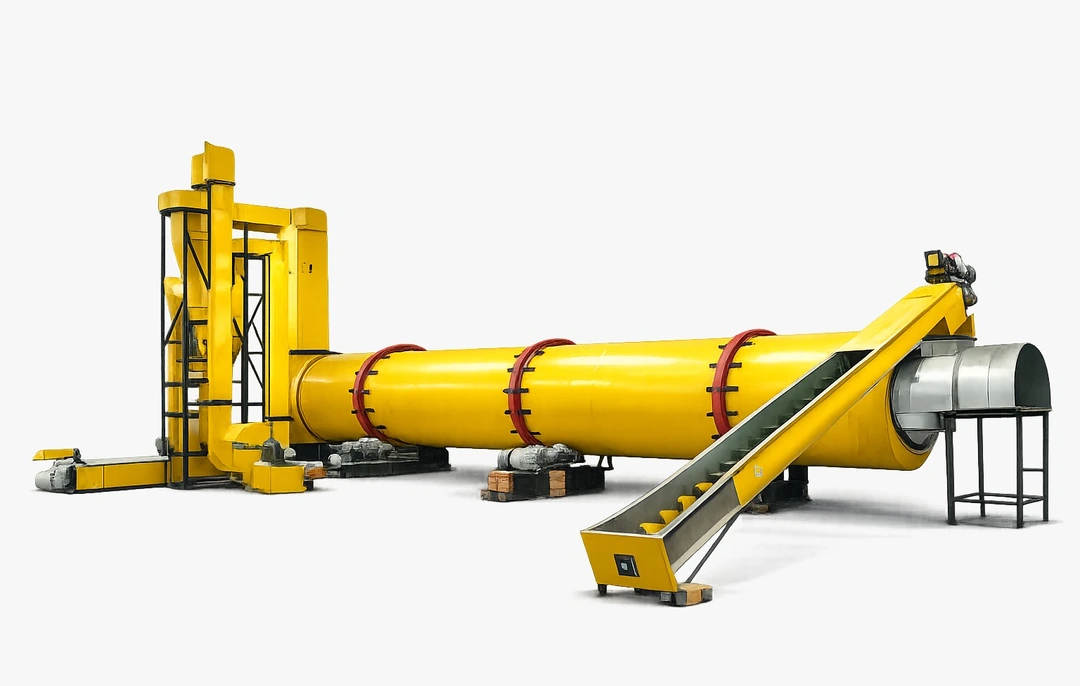
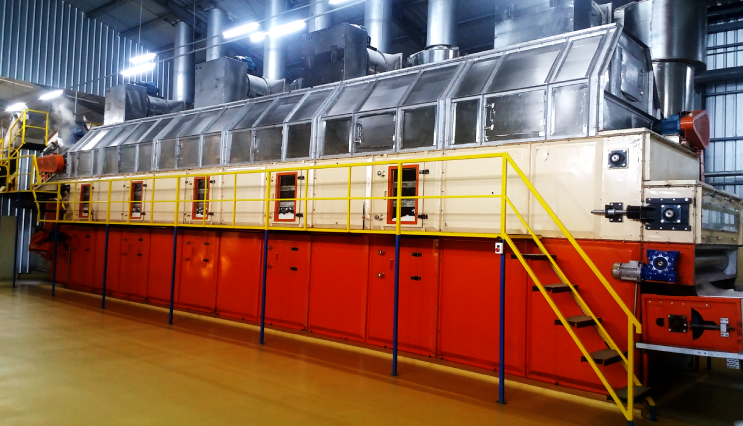
To dry cotton stalk, GEM recommends the Rotary Dryer. Typical moisture is 30–45% in the feed and 10–12% after drying. Mesh Belt Dryer and Rotary Cascade Dryer are used when the feed or site calls for it. Every project starts with a pilot trial on your own sample.
A rotary dryer handles woody, soil-laden cotton stalk chips and tolerates size variation. A mesh belt is chosen when stalks are well cleaned and low-grade heat is available, and a cascade rotary suits coarse chips with hot gas.
| Typical feed moisture | 30–45% |
| Typical target moisture | 10–12% |
| Recommended dryer | Rotary Dryer |
| Alternatives | Mesh Belt Dryer, Rotary Cascade Dryer |
| Application area | Biomass & Solid Fuel |
| Industries | Biomass, Bioenergy & Recycling, Agriculture & Grain Processing |
Drying makes cotton stalk a sellable fuel instead of a field-burning problem, gives briquette plants year-round feed from a short harvest, and improves fuel price per tonne.
Plants searching for a cotton stalk dryer or comparing a cotton stalk drying machine usually need three answers: which dryer fits, what it costs to run, and how fast it pays back. For Cotton Stalk, we start from your throughput, current moisture (typically 30–45%) and the target (10–12%), trial a sample on the Rotary Dryer, and return a sized recommendation with a budget quotation for your biomass and agriculture operation.
Compare all 10 materials in Agro & Plantation Residues or browse the wider Biomass & Solid Fuel family.
We trial your material in our pilot facility before any equipment decision, then size the dryer from real data.
Describe it in the form, or message an engineer directly.