Alfalfa drying, also called lucerne dehydration, turns fresh forage into high-protein pellets, cubes and meal for dairy and livestock feed. The leaves hold most of the protein and carotene but dry and shatter much faster than stems, so dryer design focuses on keeping leaves on the product.
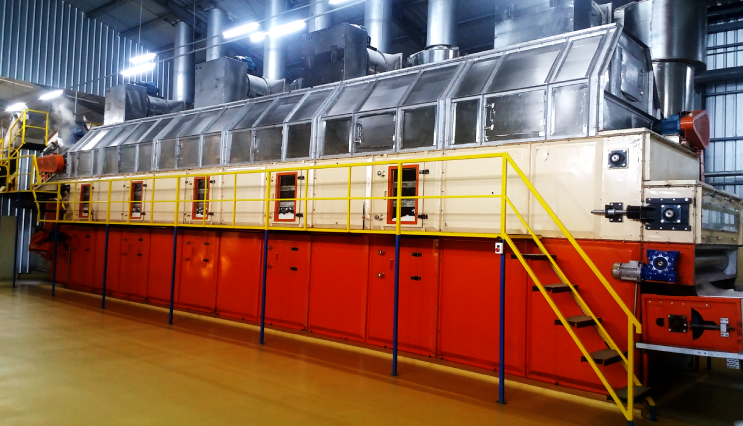
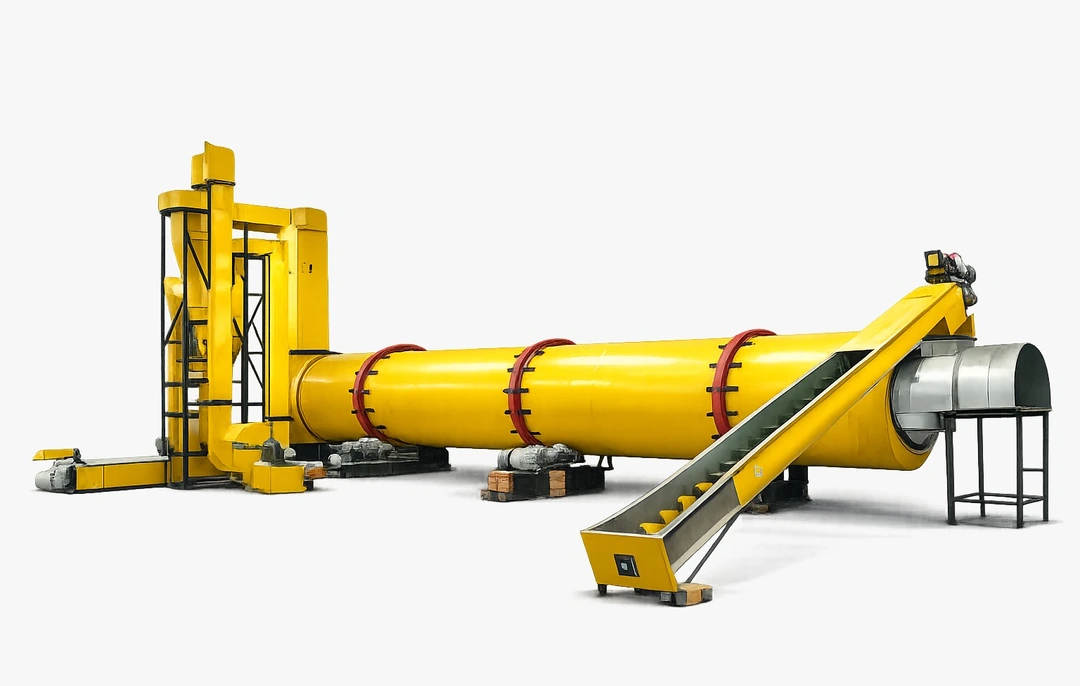
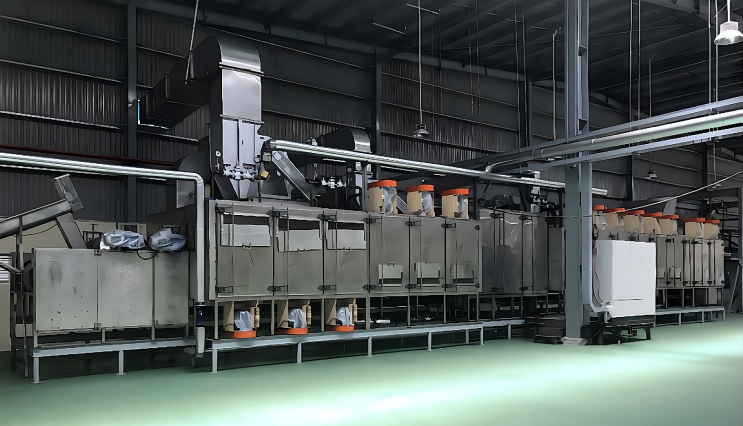
To dry alfalfa (lucerne), GEM recommends the Hybrid Belt + Fluid Bed Dryer (Aerodryve) and Mesh Belt Dryer (Meshotherm). Typical moisture is 65–80% in the feed and 8–12% after drying. Rotary Dryer and Band Dryer are used when the feed or site calls for it. Every project starts with a pilot trial on your own sample.
Aerodryve and mesh belts dry chopped alfalfa as a moving bed with controlled temperature, reducing leaf loss and protecting protein. Rotary drum dryers are chosen for high-tonnage meal; band dryers for premium leaf and colour-sensitive grades.
| Typical feed moisture | 65–80% |
| Typical target moisture | 8–12% |
| Recommended dryer | Hybrid Belt + Fluid Bed Dryer (Aerodryve), Mesh Belt Dryer (Meshotherm) |
| Alternatives | Rotary Dryer, Band Dryer |
| Application area | Forage & Green Fodder |
| Industries | Agriculture & Grain Processing, Animal Feed, Breweries & Distilleries |
Dehydrated alfalfa sells on protein and colour, earning more than field-dried hay. Mechanical drying removes weather risk and makes pellets cheaper to store and export.
Plants searching for a alfalfa dryer or comparing a lucerne dehydration plant usually need three answers: which dryer fits, what it costs to run, and how fast it pays back. For Alfalfa (Lucerne), we start from your throughput, current moisture (typically 65–80%) and the target (8–12%), trial a sample on the Hybrid Belt + Fluid Bed Dryer, and return a sized recommendation with a budget quotation for your agriculture and animal feed operation.
We trial your material in our pilot facility before any equipment decision, then size the dryer from real data.
Describe it in the form, or message an engineer directly.