Cattle feed drying is shaped by molasses, urea and by-product ingredients that make ruminant pellets heavier and stickier than poultry diets. Larger 6 to 10 mm pellets hold heat and moisture longer, and plants in humid regions need them dry and cool enough to survive weeks in dealer godowns.
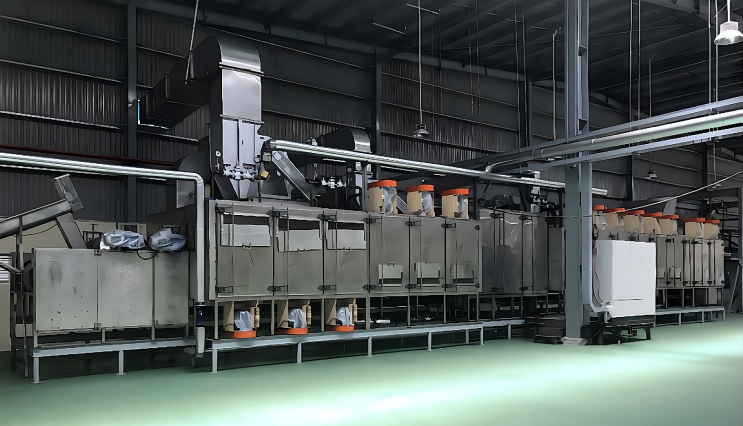
To dry cattle feed, GEM recommends the Industrial Cooler and Band Dryer (Beltotherm). Typical moisture is 15–18% in the feed and 10–12% after drying. Multi-Pass Conveyor Dryer is used when the feed or site calls for it. Every project starts with a pilot trial on your own sample.
A cooler sized for large, sticky pellets handles most cattle feed lines. A band dryer is added when molasses or wet by-products push pellet moisture too high, giving controlled drying before final cooling and bagging.
| Typical feed moisture | 15–18% |
| Typical target moisture | 10–12% |
| Recommended dryer | Industrial Cooler, Band Dryer (Beltotherm) |
| Alternatives | Multi-Pass Conveyor Dryer |
| Application area | Animal, Aqua & Pet Feed |
| Industries | Animal Feed, Breweries & Distilleries, Agriculture & Grain Processing |
Dry, cool pellets reduce bag caking complaints and returns from dealers, and help maintain the protein and energy figures printed on the label. Drying also allows more molasses or wet by-products in least-cost formulas.
Plants searching for a cattle feed dryer or comparing a cattle feed pellet cooler usually need three answers: which dryer fits, what it costs to run, and how fast it pays back. For Cattle Feed, we start from your throughput, current moisture (typically 15–18%) and the target (10–12%), trial a sample on the Industrial Cooler, and return a sized recommendation with a budget quotation for your animal feed and agriculture operation.
Compare all 3 materials in Livestock & Poultry Feed or browse the wider Animal, Aqua & Pet Feed family.
We trial your material in our pilot facility before any equipment decision, then size the dryer from real data.
Describe it in the form, or message an engineer directly.