Brewer's spent grain drying stabilises the malted barley husks and protein left after mashing, the largest by-product of any brewery. Wet BSG spoils in two to three days, which limits it to nearby farms. Drying it opens markets for high-protein, high-fibre flour, feed and fuel, and gives breweries a reliable outlet.
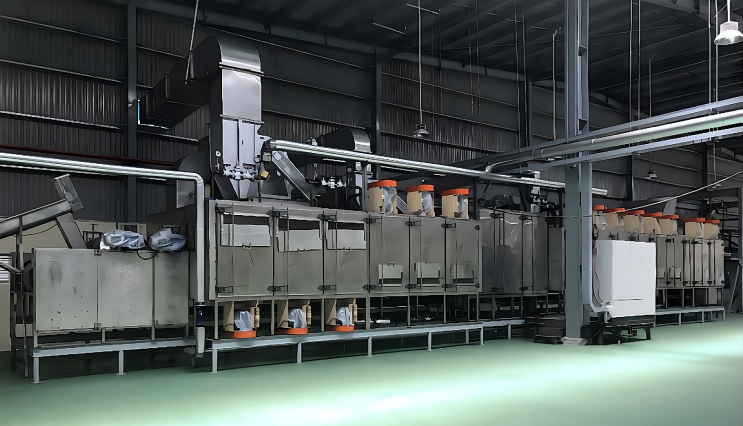
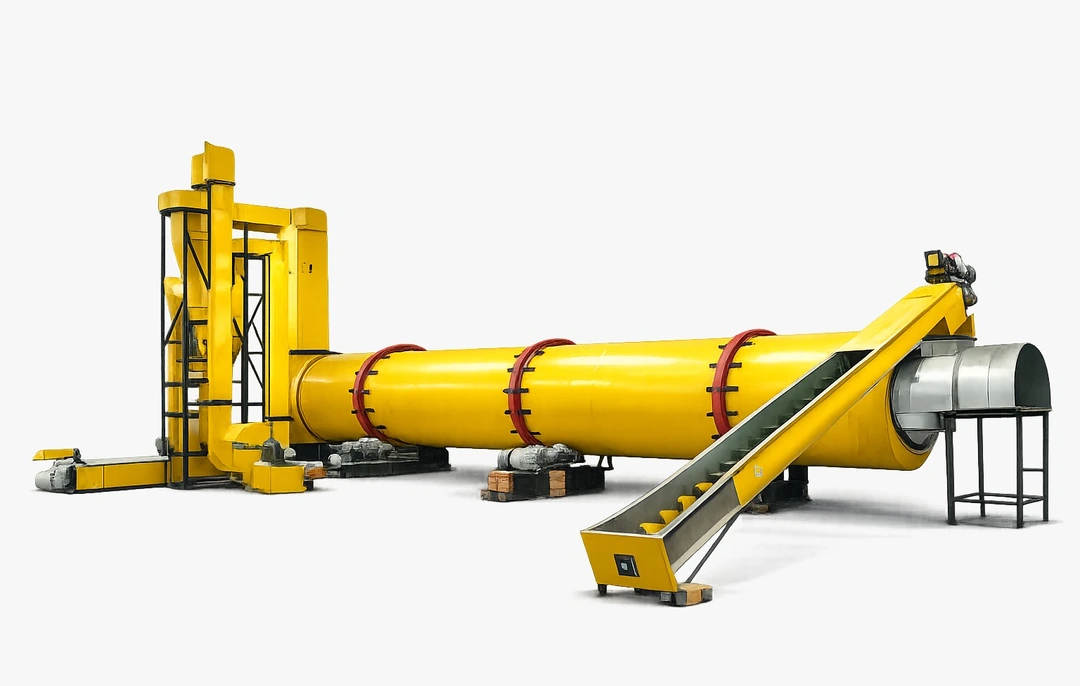
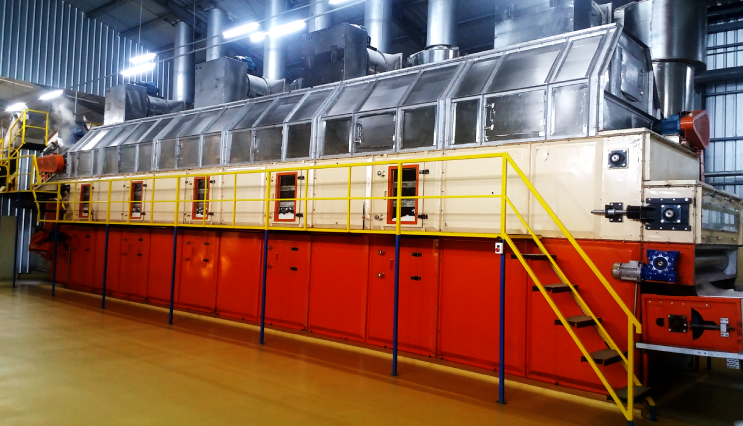
To dry brewer's spent grain, GEM recommends the Band Dryer (Beltotherm) and Rotary Tube Bundle Dryer. Typical moisture is 75–80% in the feed and 8–10% after drying. Rotary Dryer and Mesh Belt Dryer are used when the feed or site calls for it. Every project starts with a pilot trial on your own sample.
A Beltotherm band dryer handles pressed BSG gently for food-grade flour, while a steam-tube rotary suits feed lines using brewery steam. Direct rotary dryers fit high-volume feed output; a mesh belt is economical for smaller craft breweries.
| Typical feed moisture | 75–80% |
| Typical target moisture | 8–10% |
| Recommended dryer | Band Dryer (Beltotherm), Rotary Tube Bundle Dryer |
| Alternatives | Rotary Dryer, Mesh Belt Dryer |
| Application area | Pomace, Pulp & By-products |
| Industries | Animal Feed, Breweries & Distilleries, Food & Beverage |
Drying replaces daily wet removal with a product that keeps for months and can be sold well beyond the farm radius. Food-grade BSG flour achieves a higher price than wet feed sold locally.
Plants searching for a brewers spent grain dryer or comparing a BSG drying machine usually need three answers: which dryer fits, what it costs to run, and how fast it pays back. For Brewer's Spent Grain, we start from your throughput, current moisture (typically 75–80%) and the target (8–10%), trial a sample on the Band Dryer, and return a sized recommendation with a budget quotation for your animal feed and food operation.
Compare all 8 materials in Brewery, Distillery & Beverage By-products or browse the wider Pomace, Pulp & By-products family.
We trial your material in our pilot facility before any equipment decision, then size the dryer from real data.
Describe it in the form, or message an engineer directly.