


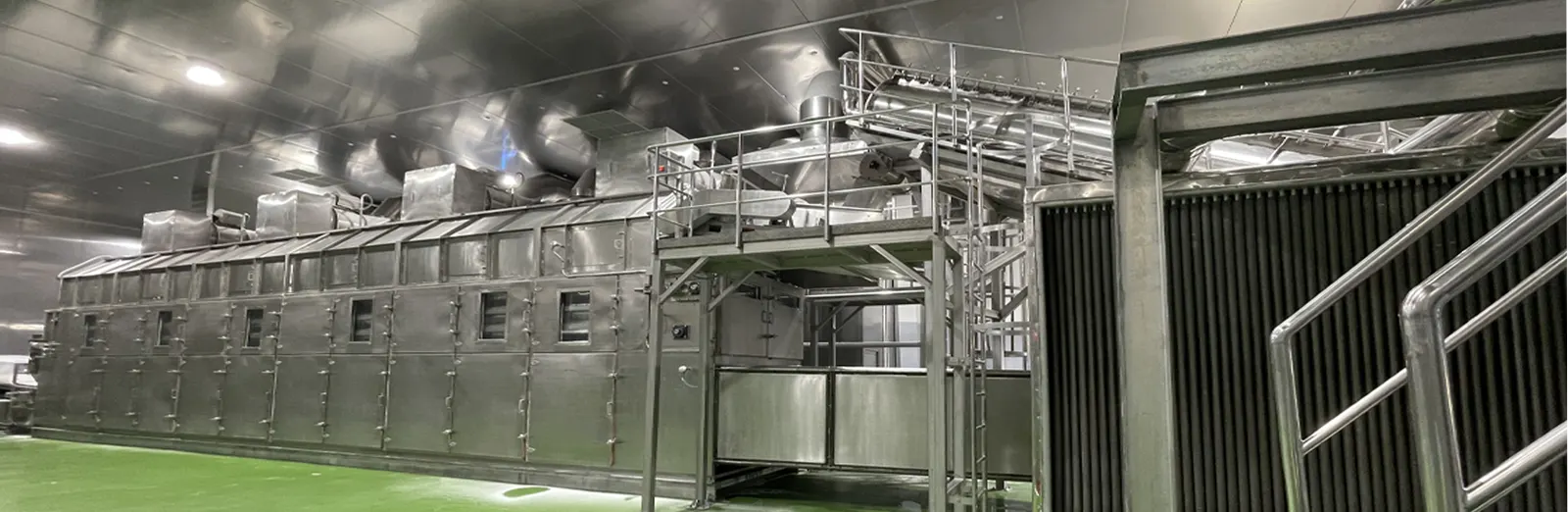
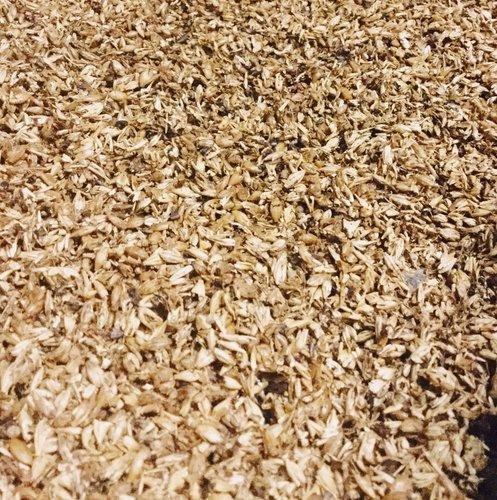
Brewers Spent Grain Dryers
Breweries, distilleries, bioethanol plants and coffee and tea extraction units generate wet by-products every day they operate. This hub groups spent grain, brewer's yeast, DDGS, spent wash and stillage, lees, microbial biomass, spent coffee grounds and spent tea leaves. Most spoil within days, and many are pasty, oily or sticky, which rules out simple hot-air drying. Feed moisture ranges from 40–60% for concentrated spent wash to 85–90% for brewer's yeast slurry. Final targets usually fall between 5–8% for yeast and stillage powders and 10–12% for DDGS.
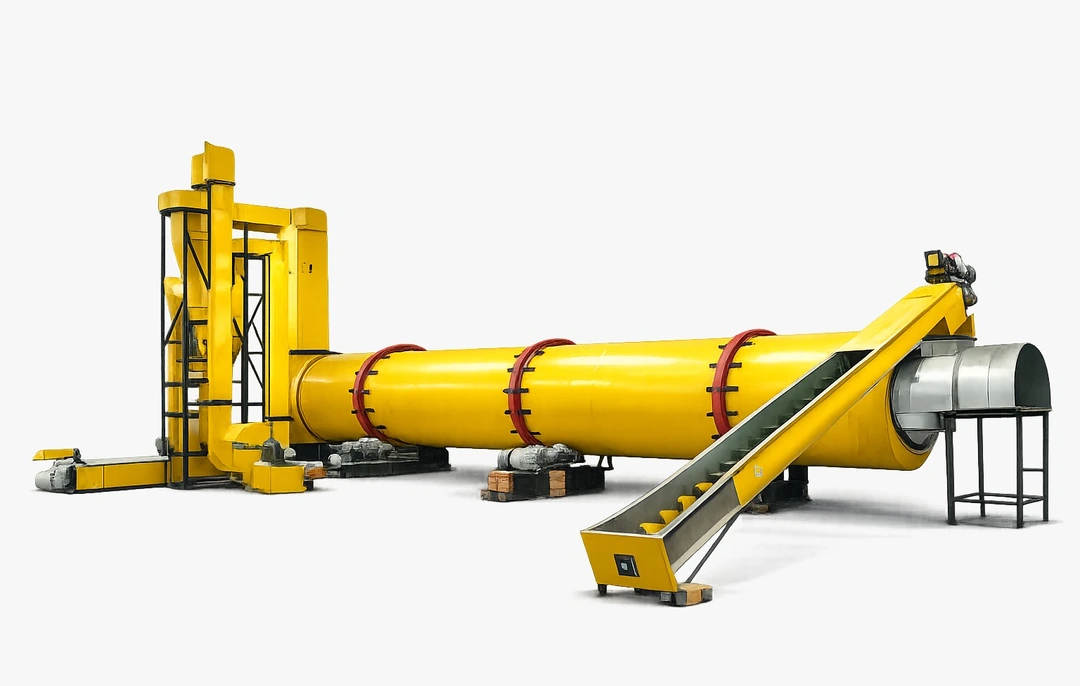
For brewery, distillery & beverage by-products, GEM most often specifies the Rotary Tube Bundle Dryer and Single / Double Drum Dryer. Moisture targets differ by material, so the table below lists typical feed and target moisture for each of the 8 materials in this group, and every project is confirmed on your own sample in a pilot trial.
Brewery, Distillery & Beverage By-products: moisture and dryer by material
| Material | Feed moisture | Target | Recommended dryer |
|---|---|---|---|
| Brewer's Spent Grain | 75–80% | 8–10% | Band Dryer / Rotary Tube Bundle Dryer |
| Brewer's Yeast | 85–90% | 5–8% | Single / Double Drum Dryer |
| DDGS | 55–65% | 10–12% | Rotary Tube Bundle Dryer / Rotary Dryer |
| Distillery Spent Wash & Stillage | 40–60% | 5–8% | Agitated Thin Film Dryer |
| Lees | 70–85% | 8–10% | Paddle Dryer |
| Yeast & Microbial Biomass | 75–85% | 5–8% | Single / Double Drum Dryer |
| Spent Coffee Grounds | 55–65% | 8–12% | Rotary Tube Bundle Dryer / Paddle Dryer |
| Spent Tea Leaves | 70–80% | 8–12% | Mesh Belt Dryer |
Typical values. Your material is confirmed in a pilot trial before sizing.
Which dryer for which material
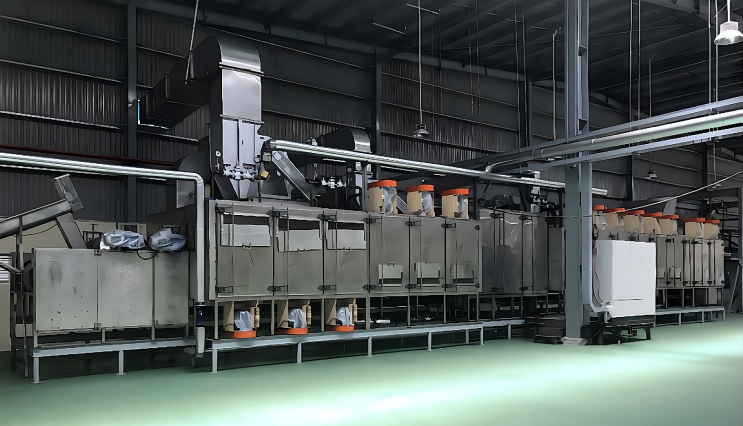
Pressed brewer's spent grain dries well on a Band Dryer (Beltotherm) when the product is bound for bakery flour, or in a Rotary Tube Bundle Dryer for feed-scale volumes. DDGS and spent coffee grounds are indirect-drying jobs, using a tube bundle unit or, for coffee, a Paddle Dryer, because syrup or oil makes them sticky and flammable. Thin slurries such as brewer's yeast and microbial biomass go to a Single / Double Drum Dryer, concentrated spent wash to an Agitated Thin Film Dryer, and alcohol-bearing lees to a sealed Paddle Dryer. Spent tea leaves form an open bed on a Mesh Belt Dryer (Meshotherm).



What makes brewery, distillery & beverage by-products hard to dry
- Wet spent grain sours and can develop mycotoxins within days, so drying needs to sit close to the brewhouse and run in step with brewing.
- Thin yeast and biomass slurries carry little solids, so concentration or pressing before the dryer often decides energy cost more than the dryer itself.
- Syrup-laden DDGS and caramelising stillage coat heated surfaces unless dry product is back-mixed and wall temperatures are held in check.
- Residual alcohol in lees and oil in coffee grounds bring flammability concerns that call for indirect heating and vented, sealed equipment.
Why it pays back
Breweries and distilleries often pay to have wet residues hauled away within days. A drying step turns spent grain into a shelf-stable flour or feed ingredient, yeast into a sellable protein, and stillage into fuel or fertilizer input. That means fewer truck movements, less exposure to local farm offtake terms, and a by-product revenue line that can be contracted rather than given away.
Brewers Spent Grain Dryers: questions buyers ask
Which dryer suits brewer's spent grain?
Can a small brewery justify drying its spent grain?
Why do yeast and stillage need different dryers from spent grain?
Other groups in Pomace, Pulp & By-products
Send us a sample. See it dried.
We trial your material in our pilot facility before any equipment decision, then size the dryer from real data.
- Tell us the material, moisture and throughput.
- An engineer confirms the trial plan and sample shipping.
- You get drying data and a sized recommendation with a budget quotation.
Material not listed? Talk to our technical expert.
Describe it in the form, or message an engineer directly.
