


Bran and Oilseed Meal Dryers
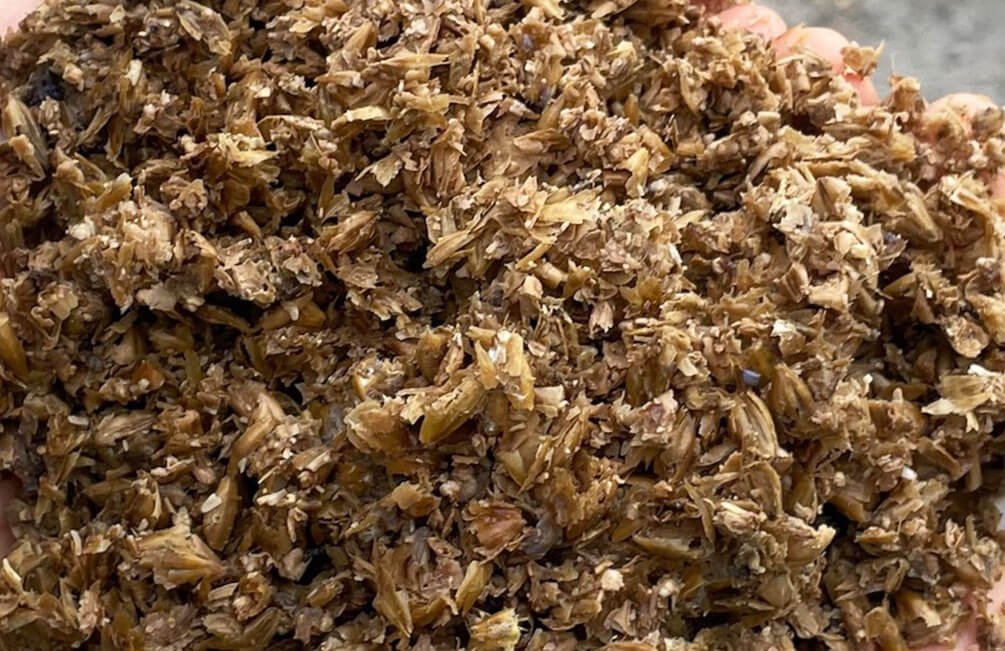
Grain mills, wet millers, solvent extraction plants and soy food makers all produce by-products that lose value if stored damp or overheated. This hub covers wheat and rice bran, corn germ, mixed grain by-products, oilseed meal, soybean meal, de-oiled cake and okara. Many carry oil or residual solvent, and several are protein feeds sold on quality. Rice bran enters at 10–14% and de-oiled cake at 15–22%, while okara arrives at 75–85%. Targets run from 2–4% for corn germ to 10–12% for bran and meal. Mixed grain by-product moisture varies by stream and is best measured on site.
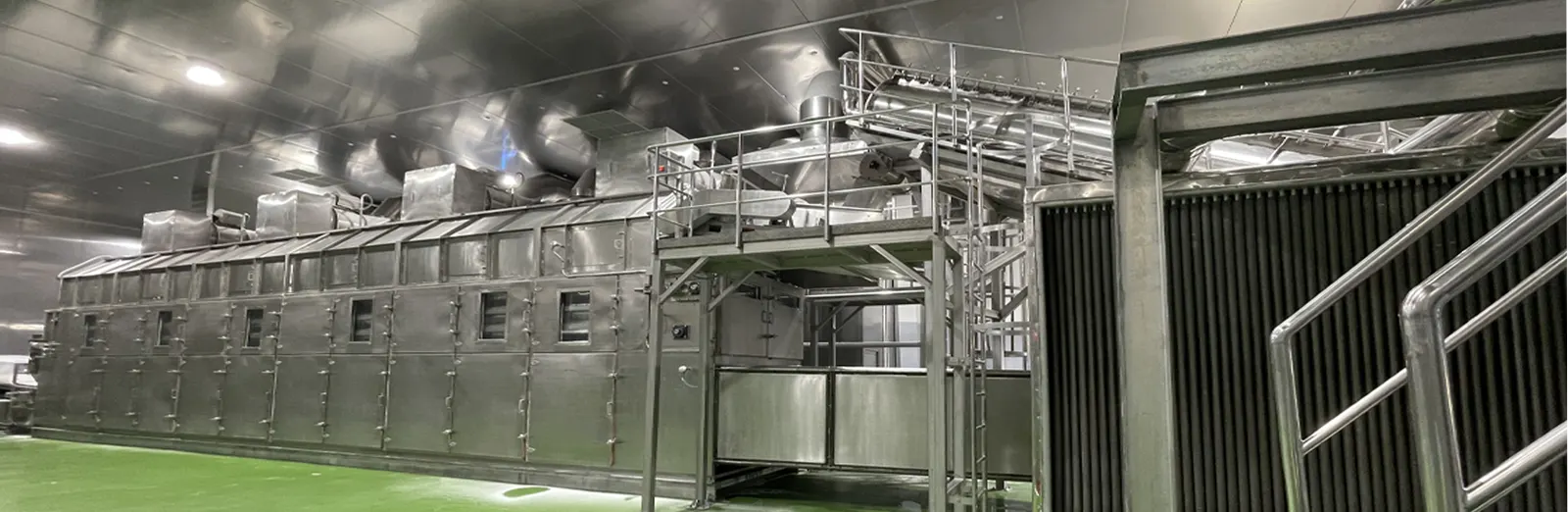
For milling & oilseed by-products, GEM most often specifies the Rotary Tube Bundle Dryer and Vibratory Fluid Bed Dryer. Moisture targets differ by material, so the table below lists typical feed and target moisture for each of the 8 materials in this group, and every project is confirmed on your own sample in a pilot trial.
Milling & Oilseed By-products: moisture and dryer by material
| Material | Feed moisture | Target | Recommended dryer |
|---|---|---|---|
| Grain By-products | Pilot trial | 10–12% | Rotary Dryer |
| Corn Germ | 50–55% | 2–4% | Rotary Tube Bundle Dryer |
| Wheat Bran | 14–18% | 10–12% | Vibratory Fluid Bed Dryer |
| Rice Bran | 10–14% | 5–8% | Direct / Indirect Rotary Dryer / Vibratory Fluid Bed Dryer |
| Oilseed Meal | 14–20% | 10–12% | Rotary Tube Bundle Dryer |
| Soybean Meal | 17–20% | 11–12% | Vibratory Fluid Bed Dryer |
| De-oiled Cake | 15–22% | 9–11% | Paddle Dryer / Rotary Tube Bundle Dryer |
| Okara (Soy Pulp) | 75–85% | 6–10% | Paddle Dryer / Rotary Tube Bundle Dryer |
Typical values. Your material is confirmed in a pilot trial before sizing.
Which dryer for which material
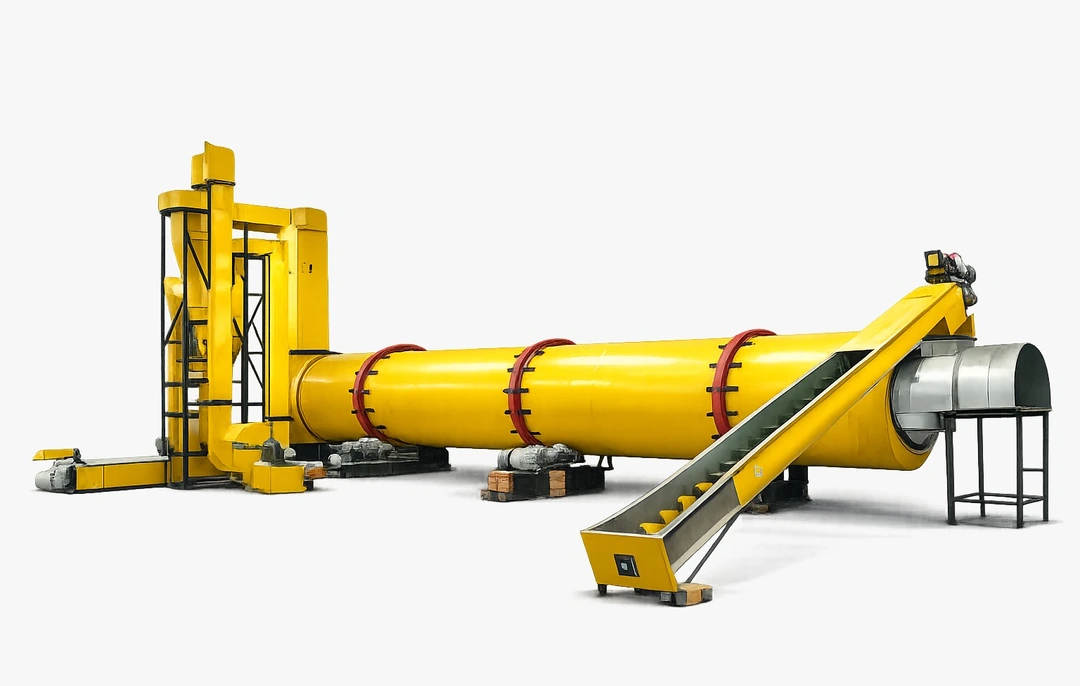
Rice bran is usually stabilised in a Direct / Indirect Rotary Dryer or a Vibratory Fluid Bed Dryer placed right after the mill, while flaky wheat bran and soybean meal suit a Vibratory Fluid Bed Dryer that dries quickly without blowing product away. Oil-rich corn germ and general oilseed meal call for a Rotary Tube Bundle Dryer, because indirect steam heat avoids exposing oily solids to flame gases. De-oiled cake and okara go to a Paddle Dryer or tube bundle unit, so residual hexane is vented safely and pasty okara keeps moving. Mixed grain by-products generally run in a Rotary Dryer.


What makes milling & oilseed by-products hard to dry
- Rice bran lipase starts raising free fatty acids within hours of milling, so drying or stabilisation has to sit next to the mill, not across the yard.
- Oil-bearing germ, bran and meal bring fire and dust explosion hazards, which steer the design toward indirect heat and careful venting.
- Overheating meals cuts protein digestibility, while under-processing soybean meal leaves urease activity high, so the temperature window is narrow.
- Bran held even slightly above safe moisture heats up and grows mould in silos, a risk that rises sharply through humid monsoon months.
Why it pays back
For millers and crushers, moisture control protects the price of every tonne of by-product. Stabilised rice bran keeps its oil value for extractors, correctly dried meal holds its protein grade for poultry and aquafeed buyers, and bran that leaves at safe moisture avoids silo heating and quality claims. Drying okara turns a fast-spoiling waste into a fibre and protein ingredient with genuine resale value.
Bran and Oilseed Meal Dryers: questions buyers ask
What is the difference between drying and stabilising rice bran?
Why use indirect heat for oilseed meal and de-oiled cake?
Do I need a cooler after the bran or meal dryer?
Other groups in Pomace, Pulp & By-products
Send us a sample. See it dried.
We trial your material in our pilot facility before any equipment decision, then size the dryer from real data.
- Tell us the material, moisture and throughput.
- An engineer confirms the trial plan and sample shipping.
- You get drying data and a sized recommendation with a budget quotation.
Material not listed? Talk to our technical expert.
Describe it in the form, or message an engineer directly.
