Soybean meal drying follows the desolventiser-toaster, where toasted meal leaves hot and moist and must be dried and cooled to trade specification. The drying step affects protein solubility and urease activity, two figures feed buyers test on every lot. Soybean processors dry meal accurately so it neither under-processes nor over-cooks the protein.
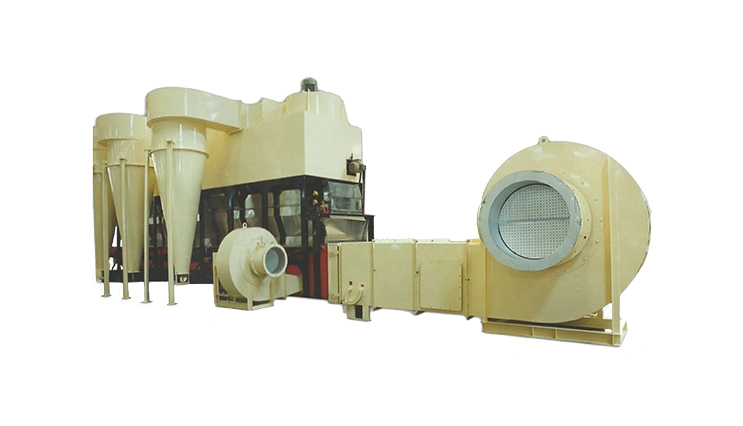
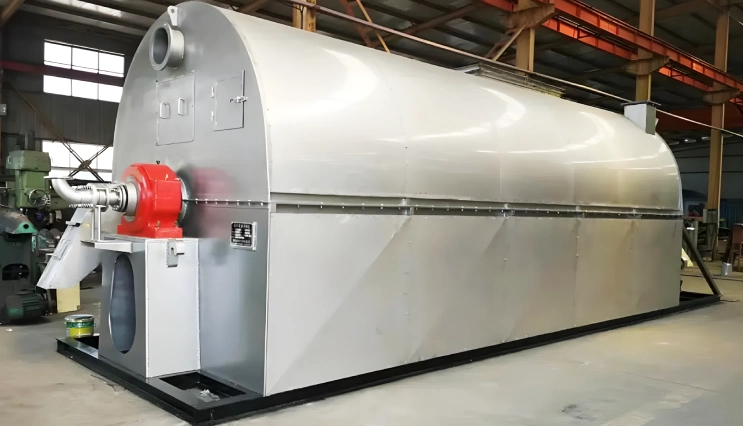
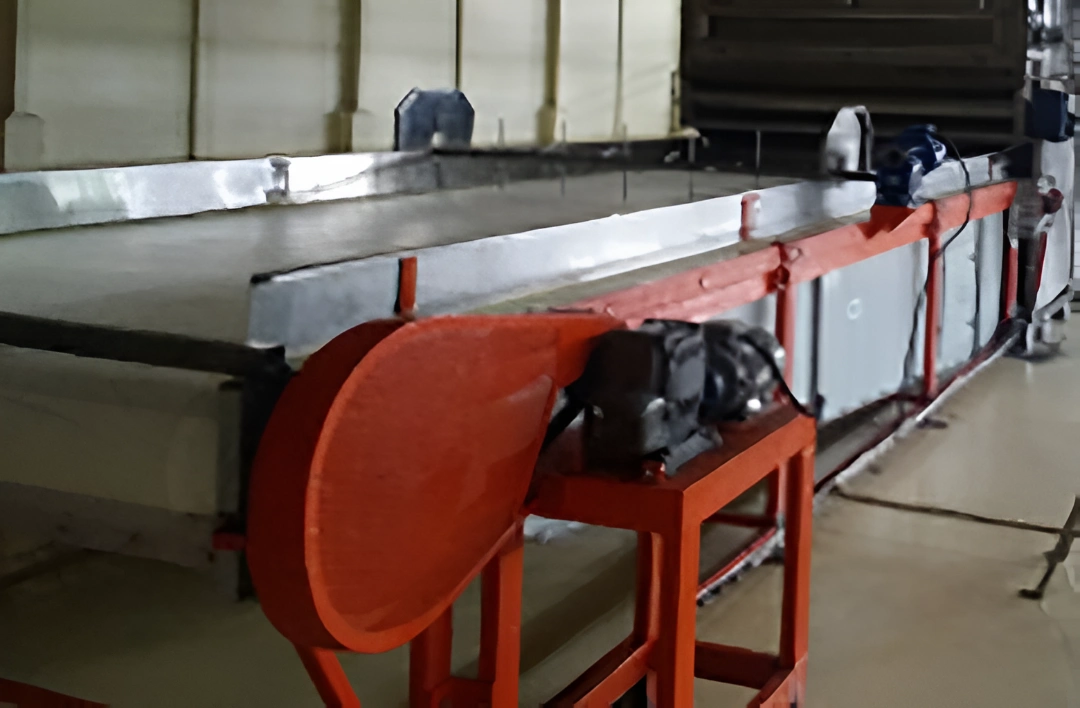
To dry soybean meal, GEM recommends the Vibratory Fluid Bed Dryer. Typical moisture is 17–20% in the feed and 11–12% after drying. Rotary Tube Bundle Dryer and Industrial Cooler are used when the feed or site calls for it. Every project starts with a pilot trial on your own sample.
A vibratory fluid bed dryer moves the desolventised, free-flowing meal evenly while controlled air removes moisture without over-toasting. Steam-tube dryers suit plants needing higher evaporation, and a separate cooler is used where drying and cooling are split.
| Typical feed moisture | 17–20% |
| Typical target moisture | 11–12% |
| Recommended dryer | Vibratory Fluid Bed Dryer |
| Alternatives | Rotary Tube Bundle Dryer, Industrial Cooler |
| Application area | Pomace, Pulp & By-products |
| Industries | Animal Feed, Breweries & Distilleries, Agriculture & Grain Processing |
Accurate drying keeps meal within moisture and protein-quality limits that buyers price against. Over-dried meal gives away saleable weight, while under-dried meal risks claims and spoilage.
Plants searching for a soybean meal dryer or comparing a SBM dryer cooler usually need three answers: which dryer fits, what it costs to run, and how fast it pays back. For Soybean Meal, we start from your throughput, current moisture (typically 17–20%) and the target (11–12%), trial a sample on the Vibratory Fluid Bed Dryer, and return a sized recommendation with a budget quotation for your animal feed and agriculture operation.
Compare all 8 materials in Milling & Oilseed By-products or browse the wider Pomace, Pulp & By-products family.
We trial your material in our pilot facility before any equipment decision, then size the dryer from real data.
Describe it in the form, or message an engineer directly.