Oilseed meal drying brings mustard, sunflower, groundnut, cottonseed and other meals to safe storage moisture after pressing or extraction. Meals often leave the desolventiser or conditioning step warm and moist, and need final drying and cooling before storage. Oil mills dry meal so it does not heat, mould or lose protein value in bags or silos.
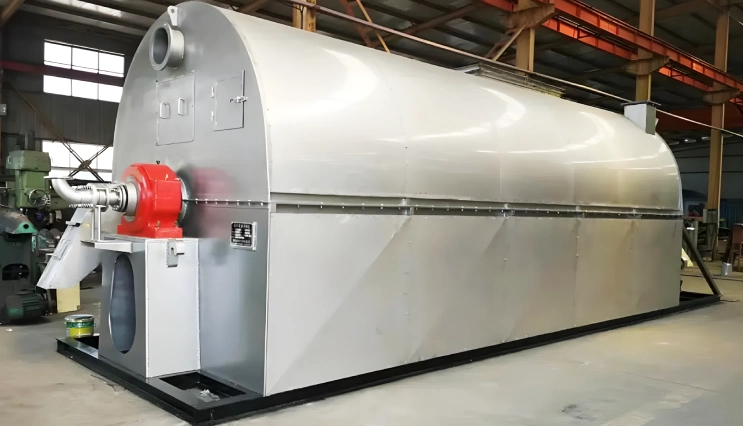
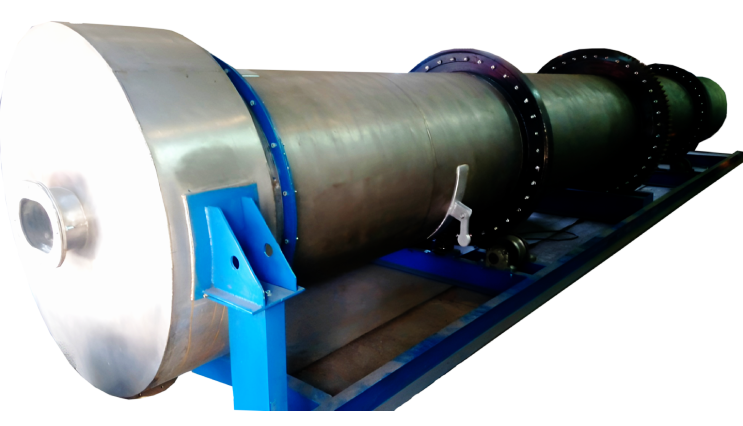
To dry oilseed meal, GEM recommends the Rotary Tube Bundle Dryer. Typical moisture is 14–20% in the feed and 10–12% after drying. Direct / Indirect Rotary Dryer and Industrial Cooler are used when the feed or site calls for it. Every project starts with a pilot trial on your own sample.
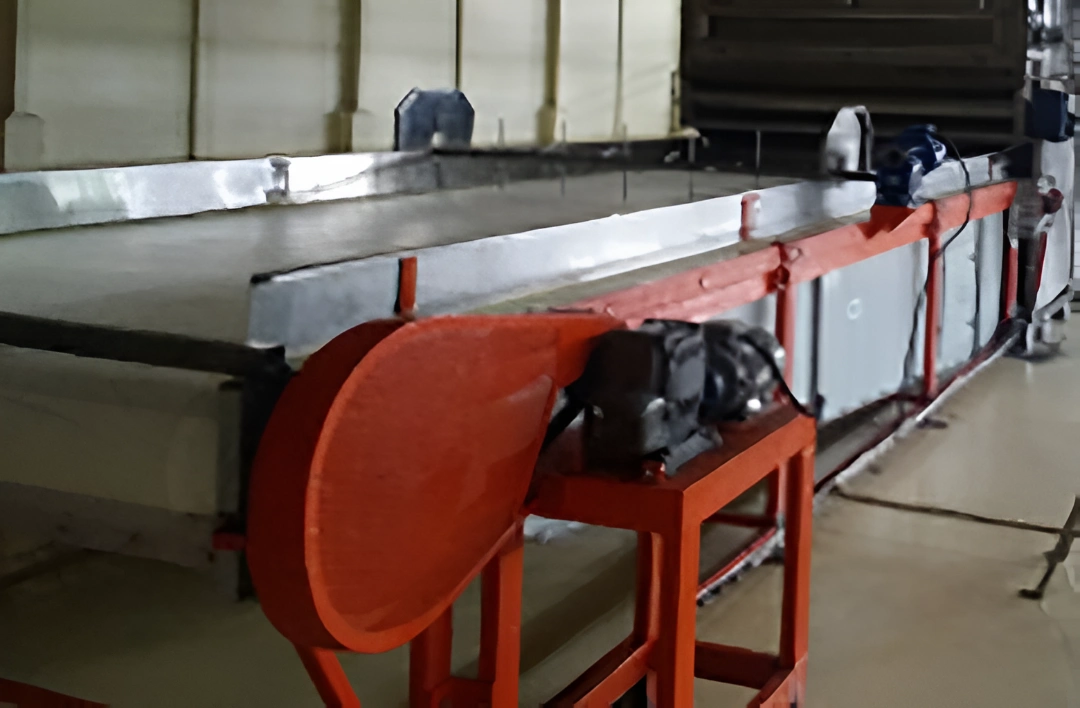
Steam-tube rotary dryers heat meal indirectly, suit oil mills that already generate steam and keep residual oil away from flames. A direct/indirect rotary suits smaller mills, and a dedicated cooler brings meal to storage temperature.
| Typical feed moisture | 14–20% |
| Typical target moisture | 10–12% |
| Recommended dryer | Rotary Tube Bundle Dryer |
| Alternatives | Direct / Indirect Rotary Dryer, Industrial Cooler |
| Application area | Pomace, Pulp & By-products |
| Industries | Animal Feed, Breweries & Distilleries, Agriculture & Grain Processing |
Dry, cool meal stays saleable for months and meets buyer moisture limits. Avoiding quality claims and rejected loads for mouldy or wet meal protects margins for oil mills that trade on thin spreads.
Plants searching for a oilseed meal dryer or comparing a meal dryer cooler usually need three answers: which dryer fits, what it costs to run, and how fast it pays back. For Oilseed Meal, we start from your throughput, current moisture (typically 14–20%) and the target (10–12%), trial a sample on the Rotary Tube Bundle Dryer, and return a sized recommendation with a budget quotation for your animal feed and agriculture operation.
Compare all 8 materials in Milling & Oilseed By-products or browse the wider Pomace, Pulp & By-products family.
We trial your material in our pilot facility before any equipment decision, then size the dryer from real data.
Describe it in the form, or message an engineer directly.